
Plants
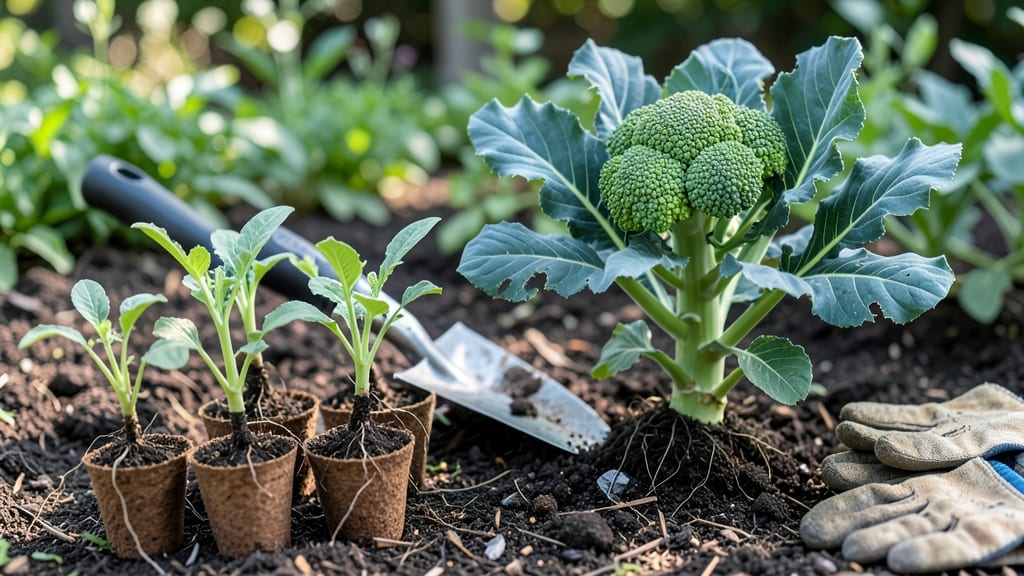
If you've ever planted broccoli 🥦 in North Texas only to watch it bolt in the heat or freeze under frost, you're not alone. The key to successful broccoli growth here isn't luck—it's timing, and getting it right means the difference between a bountiful harvest and wasted effort.
North Texas gardeners know the drill: plant too early in spring, and frost can ruin your crop; wait too long, and the summer heat sends your broccoli into bolting mode.
But with the right planting schedule—late August to early September for fall and February to early March for spring—you can sidestep these common pitfalls entirely.
What if I told you there’s a heat-resistant way to grow broccoli that actually thrives in our climate? The secret lies in choosing the right varieties and planting them at the perfect moment to avoid both frost and extreme heat.
Let’s break down exactly when to plant for zero risk of bolting or frost damage.
You’ll discover the exact months to plant, which broccoli varieties hold up best in North Texas’ Zone 8a heat, and how to extend your growing season for continuous harvests. Ready to turn your broccoli dreams into reality?
Best planting months for broccoli in North Texas to avoid bolting and frost
Timing is everything when growing broccoli 🥦 in North Texas, where Zone 8a conditions swing from scorching summers to chilly winters. The secret to success?
Planting in the 4-6 week window before the first frost—typically late August to early September for fall harvests and February to early March for spring. This schedule ensures your plants mature before summer heat or winter frost ruins them.
North Texas’ average last frost date is around February 15, while the first frost typically hits December 1. To avoid bolting (when plants flower prematurely), never plant broccoli when soil temperatures exceed 85°F.
Instead, focus on cooler seasons when daytime temps stay between 60-75°F—ideal for broccoli growth.
Here’s the golden rule: Fall planting (August-September) gives you harvests by November-December, while spring planting (February-March) yields in April-May. Both windows align with North Texas’ 210 frost-free days, maximizing your growing season without risking crop loss.
| Planting Window | Soil Temp (°F) | Harvest Time | Risk Level |
|---|---|---|---|
| Late August - Early September (Fall) | 65-75°F | November - December | Low (frost risk after Dec 1) |
| February - Early March (Spring) | 55-65°F | April - May | Low (heat risk after May 15) |
| October (Late Fall) | 50-60°F | January (small yields) | Medium (slow growth) |
| April (Late Spring) | 70-80°F | June (high bolt risk) | High (heat stress) |
For fall planting, start seeds indoors 6-8 weeks before your target transplant date (mid-July for North Texas). Transplant seedlings outdoors when they’re 4-6 inches tall and nighttime temps stay above 50°F.
Use black plastic mulch to warm soil faster and deter weeds—this trick extends your planting window by 1-2 weeks.
If you’re eager for an early spring harvest, try cold-hardy varieties like 'Waltham 29' and plant in January under row covers. These plants tolerate light frosts (28°F) and produce heads by March.
Just be prepared to protect them with frost cloth if temperatures dip below freezing.
Pro tip: Succession planting every 2 weeks in fall keeps your harvests coming. For example, plant one batch in late August, another in early September, and a final one in mid-September. This staggered approach ensures you’re eating homegrown broccoli from November through December.
North Texas’ summer heat (June-August) is broccoli’s worst enemy, causing plants to bolt within 2-3 weeks of transplanting. To avoid this, skip summer planting entirely and focus on fall and spring windows.
If you’re determined to grow broccoli in summer, opt for shade cloth (30-50%) and drip irrigation to keep soil temps cool and moisture consistent.
One common mistake? Planting broccoli too close to tomatoes or cabbage, which share diseases like clubroot. Instead, pair it with beans, peas, or onions for natural pest control. Rotate crops yearly to prevent soil-borne diseases from building up.
Remember: Broccoli thrives on consistency. Water deeply every 2-3 days (more in summer) and fertilize with a balanced 5-10-10 NPK mix every 4-6 weeks. With these timing tips, you’ll go from zero bolting to a bountiful harvest—no gamble required.
Best planting months for broccoli in North Texas to avoid bolting and frost
North Texas has a short window for growing broccoli successfully, but timing it right means the difference between a thriving crop and a failed attempt.
The key is planting when soil temperatures are cool but not freezing—typically late August to early September for fall harvests and February to early March for spring. These windows align with our USDA Zone 8a climate, where summer heat and winter frost are the biggest threats.
If you plant in summer (June-August), your broccoli will almost certainly bolt—sending up flower stalks instead of forming heads. The same goes for planting too early in spring (before February 15), when late frosts can still hit.
By sticking to these months, you avoid both extremes and give your plants the ideal 60-70°F soil temperature they crave.
For a continuous harvest, many gardeners in North Texas use a two-pronged approach: plant a fall crop in late August and a spring crop in early March. This way, you’ll have broccoli ready in November-December and again in April-May, just as the heat ramps up.
The trick is to succession plant every 2-3 weeks within these windows for a steady supply.
🌱 North Texas Broccoli Planting Timeline
| Season | Planting Window | Soil Temp | Harvest Time | Risk Level |
|---|---|---|---|---|
| Fall | Late August - Early September | 60-70°F | November - December | Low (frost risk after Dec 1) |
| Spring | February - Early March | 55-65°F | April - May | Medium (late frost risk) |
| Summer (Avoid!) | June - August | Above 80°F | Bolting (no heads) | High (heat stress) |
One common mistake I see in North Texas gardens is planting broccoli in October for a fall harvest. While it’s close to the ideal window, the soil often cools too quickly, leading to stunted growth.
Instead, aim for late August—this gives your plants enough time to establish roots before temperatures drop. For spring, early March is safer than February, as late frosts can still occur after February 15.
If you’re determined to grow broccoli in summer, consider shade cloth or container gardening with afternoon shade. However, even with these measures, yields will be significantly lower than in cooler months.
For best results, stick to the fall and spring windows and choose heat-tolerant varieties like 'Belstar' or 'De Cicco' to maximize your chances of success.
Pro tip: Use a soil thermometer to monitor temperatures. Broccoli roots thrive in 55-75°F soil, and anything above 80°F will trigger bolting. If your soil hits 85°F or higher, it’s time to delay planting until temperatures drop again.