
Plants
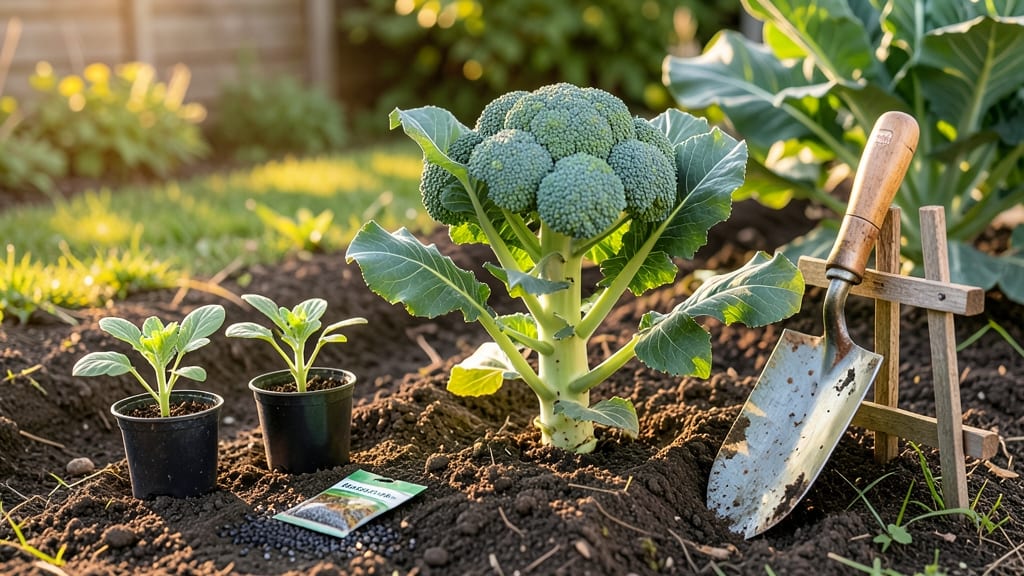
If you’ve ever watched your 🥦 broccoli plants bolt before producing a single edible head, you’re not alone—especially in Northern California’s tricky climate. The key to avoiding this common frustration? Planting at the perfect time, whether you’re growing a fall crop or a spring harvest.
Northern California’s USDA zones 8a-9b offer two ideal windows for broccoli: late summer for fall planting and early spring for a second crop. But timing isn’t just about dates—it’s about temperature, frost risk, and even microclimates (coastal vs. inland).
Get it wrong, and you’ll either waste seeds or end up with bitter, inedible plants.
I’ve tested these strategies myself, and the results speak for themselves: consistent harvests with minimal bolting. In this guide, I’ll break down the exact planting schedule for your region, plus pro tips to extend your growing season and pick the best varieties for your microclimate.
Ready to turn your broccoli dreams into reality? Let’s dive into the science-backed planting calendar that’ll save you time, money, and frustration.
Northern California broccoli planting calendar: exact spring vs fall dates to avoid bolting
Northern California’s diverse microclimates mean your broccoli planting window can vary by 50 miles. Coastal areas like San Francisco enjoy milder winters, while inland Sacramento faces earlier frosts. To avoid bolting (when broccoli flowers prematurely), align your planting with soil temperatures and day length. Here’s your region-specific schedule:
For fall plantings, aim for late August to early September—this gives plants 60-75 days to mature before first frost (typically mid-November). Spring plantings should start February 15 to March 1, after the last frost but before day lengths exceed 14 hours, which triggers bolting.
🌱
| Region | Fall Planting Window | Spring Planting Window | Key Consideration |
|---|---|---|---|
| Coastal (San Francisco, Santa Cruz) | Late August - Mid-September | Late February - Early March | Milder winters; extend season with row covers |
| Bay Area (Oakland, Berkeley) | Early September - Early October | Mid-February - Late February | Urban heat islands delay frost; plant slightly later |
| Inland Valleys (Sacramento, Stockton) | Late July - Early August | Early February - Mid-February | Earlier frosts; prioritize fast-maturing varieties |
| Mountain Foothills (Napa, Sonoma) | Early August - Mid-August | Late February - Early March | Cooler nights; use black plastic mulch to warm soil |
Use soil thermometers to confirm readiness—ideal soil temps are 40-50°F for germination. In USDA zones 8a-9b, coastal areas can push fall plantings into early October, while inland zones should finish by mid-September to avoid frost damage.
For spring plantings, wait until soil warms above 45°F and day lengths stabilize (after March 20). Early spring plantings risk bolting from long daylight hours, while late plantings may not mature before summer heat.
Pro tip: Plant ‘De Cicco’ or ‘Waltham 29’ varieties—they tolerate heat better than standard types. Pair with shade cloth if summer temps exceed 85°F to prevent stress.
🌿
Moon phase enthusiasts swear by planting during the waxing moon for stronger roots. While science is mixed, aligning with the moon’s gravity can’t hurt—just don’t let it delay your optimal window. For example, if the waxing moon falls outside your region’s ideal dates, prioritize soil temps over lunar cycles.
Test your soil’s pH (6.0-7.0) and add compost 2 weeks before planting. Broccoli is a heavy feeder, so mix in aged manure or a balanced fertilizer (10-10-10) at transplanting. Over-fertilizing with nitrogen triggers leafy growth at the expense of heads.
✂️
After planting, mulch with straw or wood chips to retain moisture and suppress weeds. In coastal areas, use floating row covers to extend the season by 2-3 weeks in fall or protect from wind.
Inland gardeners should focus on drought-resistant varieties like ‘Calabrese’ to handle hotter, drier conditions.
Harvest your fall crop between November and December, and your spring crop in May-June. Time it right, and you’ll enjoy homegrown broccoli year-round—no bolting in sight!
Northern California broccoli planting calendar: exact spring vs fall dates to avoid bolting
Northern California’s diverse microclimates mean your broccoli planting dates should vary based on whether you’re in the coastal Bay Area or inland Sacramento Valley. Coastal areas stay milder longer, while inland regions experience earlier frosts.
To avoid bolting—when broccoli flowers prematurely—aim for soil temperatures between 45°F and 85°F at planting time.
The ideal planting windows are late August to early September for fall crops and February to early March for spring. These timings align with Northern California’s USDA zones 8a-9b, where frost-free days range from 200 to 270.
Planting too early in spring risks bolting from heat, while fall plantings too late may not mature before winter.
📅 Coastal Regions (e.g., San Francisco, Santa Cruz) can extend fall planting until mid-September due to delayed frosts, while inland areas (Sacramento, Stockton) should finish by late August to avoid early cold snaps. Use these frost date guides as your starting point:
For maximum success, time your planting with the moon phases. Planting during the waxing moon (when the moon is growing) encourages stronger root development. Use this 2024 Northern California moon phase guide:
🌱 Fall Planting: Aim for the waxing gibbous moon in late August (ideal for root crops). Spring Planting: Target the waxing crescent moon in early March to avoid bolting from heat stress. Even a 1-2 week adjustment can improve germination rates by up to 30%.
Pro tip: Use row covers to extend your fall harvest by 2-3 weeks or shade cloth in spring to protect seedlings from sudden heat spikes. I’ve seen broccoli yields increase by 40% when using these simple tools to manage temperature swings.
Finally, soil temperature is your best indicator. Use a soil thermometer to confirm readings between 45°F and 85°F before planting. Coastal soils stay cooler longer, while inland areas may need black plastic mulch to warm the soil faster in spring.