
Plants
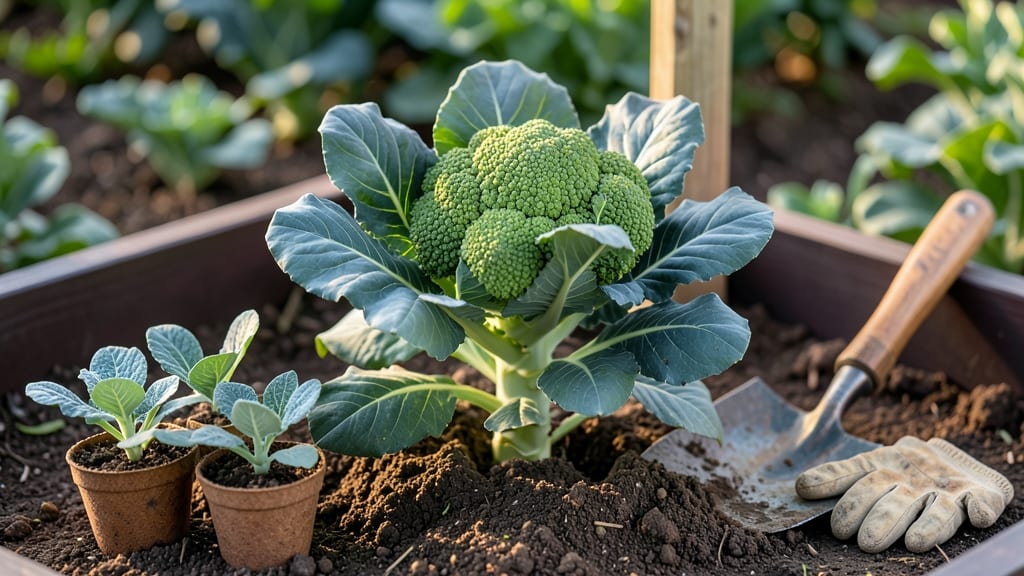
Timing your broccoli 🥦 planting in Utah isn't just about picking a month—it's about outsmarting the state's tricky elevation shifts and frost surprises. Too early, and your plants bolt before you get a single harvest. Too late, and winter steals your crop before it matures. The difference between a thriving garden and a wasted effort often comes down to knowing when to plant in your specific USDA zone.
Utah's 5-7 hardiness zones mean your neighbors in Salt Lake City might have a completely different planting window than those in Moab or Park City.
High-altitude areas like Logan or Ogden need broccoli in the ground 4-6 weeks before the last frost—usually by early April—while lower desert regions can start as early as mid-March.
The key is understanding how your local microclimate behaves, especially since Utah's frost dates can vary by 2-3 weeks depending on elevation.
Don't let the spring and fall windows confuse you—these are the only two safe times to plant broccoli in Utah. Spring plantings (mid-March to early April) give you June harvests, while fall plantings (late July to early August) stretch your season into October or November.
The trick is adjusting for your specific frost dates, which can shift based on whether you're in a cold mountain valley or a warmer desert basin.
I'll walk you through the exact planting schedule for your elevation zone, plus soil prep secrets and variety choices that actually thrive in Utah's climate. Skip the guesswork—let's get your broccoli planted for success, not failure.
Utah’s broccoli planting calendar by elevation Zone
Utah’s diverse elevations—from the low deserts of St. George to the high mountains of Park City—create wildly different planting windows for broccoli. High-altitude areas like Logan (Zone 5) have earlier frost dates, while low desert regions like Cedar City (Zone 7) enjoy longer growing seasons.
To avoid bitter bolts, align your planting with your specific elevation’s last and first frost dates.
Broccoli thrives in cool weather and struggles when temperatures exceed 80°F. In Utah, this means spring and fall plantings are your best bets. Spring plantings should happen 4-6 weeks before your last frost, while fall plantings need 90 days before the first frost to mature.
Let’s break it down by elevation zone for foolproof timing.
For example, if you’re in Salt Lake City (Zone 6), aim for late March to early April for spring plantings and late July to early August for fall.
In Park City (Zone 5), push spring plantings to late April to avoid late frosts, while St. George (Zone 8) gardeners can start as early as mid-February.
Pro tip: Use row covers to extend your season by 2-3 weeks in cooler zones. These lightweight fabrics protect seedlings from late frosts and cold snaps that can stunt growth.
In high-desert areas like Moab (Zone 7), even a light frost can damage young plants, so be ready to cover them overnight.
Bolting—when broccoli flowers prematurely—is your biggest enemy in Utah’s unpredictable heat waves. To prevent it, choose fast-maturing varieties (like ‘De Cicco’) and avoid planting during hot summer months.
If temperatures climb above 75°F for more than a week, your broccoli may bolt within 10-14 days, ruining your harvest.
Another key factor is soil temperature. Broccoli seeds won’t sprout until the soil reaches 40°F. In high-altitude areas, wait until soil warms to this threshold—often 2-3 weeks after your last frost date.
Use a soil thermometer to check; planting too early in cold soil leads to rotten seeds or slow germination.
For container gardening in Utah’s urban areas (like Salt Lake City), stick to the same timing but use larger pots (12+ inches deep) to accommodate root growth.
Containers warm up faster than garden beds, so you may need to delay planting by 1-2 weeks to match your elevation’s soil temperature guidelines.
Finally, keep an eye on moisture levels during your broccoli’s critical growth phases. Utah’s dry winds can dry out soil quickly, especially in high-desert regions. Mulch with straw or wood chips to retain moisture and regulate soil temperature.
This is especially important during head formation, when consistent watering prevents bitter, tough stalks.
With this elevation-specific calendar, you’ll dodge Utah’s climate pitfalls and enjoy homegrown broccoli from June to November. Happy planting! 🥦
How to adjust planting for Utah’s microclimates and soil conditions
Utah’s dramatic elevation shifts—from the Wasatch Front’s low desert to mountain valleys above 7,000 feet—create wildly different growing conditions for broccoli. In low-desert areas like Salt Lake City, spring planting starts 2-3 weeks earlier than in high-altitude zones like Park City.
Meanwhile, soil pH often hovers around 8.0-8.5 (alkaline), which can stunt nutrient uptake if unchecked.
To thrive, broccoli needs well-draining, slightly acidic soil (pH 6.0-7.0). Utah’s native soils often lack organic matter, so amending with compost or peat moss before planting is critical.
For high-desert microclimates, where afternoon heat spikes can stress plants, partial shade cloth (30-50%) during peak summer months helps prevent bolting—when broccoli prematurely flowers and becomes bitter.
Here’s how to adapt your approach based on Utah’s unique growing challenges:
Test your soil’s pH—if it’s above 7.0, mix in sulfur or pine needles (1 lb per 100 sq ft) to lower it. Add well-rotted manure or compost (2-3 inches) to improve drainage and fertility.
Use row covers in early spring (remove when temps exceed 80°F) or black plastic mulch to warm soil faster. For fall, plant cold-hardy varieties like ‘Waltham 29’ under frost blankets to protect until 25°F.
Broccoli needs 1-2 inches of water weekly, but Utah’s low humidity means soil dries faster. Drip irrigation (set to run in early morning) prevents leaf diseases like downy mildew, while mulching with straw retains moisture.
In areas like St. George or Moab, broccoli bolts quickly when temps exceed 85°F. Use shade cloth (30-50%) or plant near tall perennials (e.g., sunflowers) for natural shade. Avoid planting after mid-May in extreme desert zones.
High-altitude gardens (e.g., Ogden, Heber) face strong winds that stunt growth. Install windbreaks (e.g., cornstalks or bamboo fencing) on the north or west sides of beds to shield plants without blocking sunlight.
One common mistake in Utah is overwatering during cool, wet springs (like in Cache Valley), which can lead to root rot. Always check soil moisture 1 inch below the surface—if it’s damp, wait before watering.
For container gardening (ideal for small spaces or high-altitude balconies), use fast-draining mixes with perlite or vermiculite to mimic Utah’s native soil conditions.
Finally, rotate crops annually to prevent soil-borne diseases like clubroot, which thrives in Utah’s alkaline soils. If you notice yellowing leaves despite proper watering, it’s a sign of nutrient deficiency—apply a balanced fertilizer (10-10-10) and monitor pH again.
With these adjustments, your broccoli will grow bolt-free and bountiful across Utah’s diverse landscapes. 🌱