
Plants
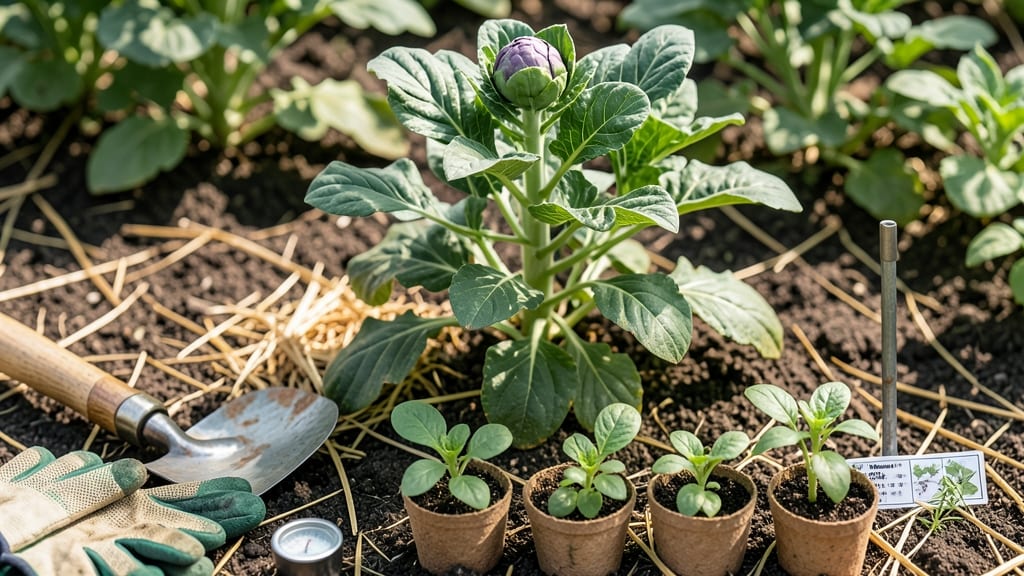
Timing your Brussel sprouts 🥬 planting in Colorado wrong could mean watching your garden turn into a frost-damaged mess. The exact window between March and July makes all the difference—especially when Denver’s last frost hits around April 15 but high-altitude areas like Colorado Springs can still see surprises.
You’re not just guessing when to plant—you’re working with Colorado’s three distinct microclimates, each with its own frost deadlines. Whether you’re in the Front Range, Western Slope, or Eastern Plains, getting this right means the difference between a bountiful fall harvest and empty garden beds by October.
Here’s the game-changer: start seeds indoors 4-6 weeks before your last frost or direct-sow in late July for a second crop. But don’t stop there—we’ll cover how to push your harvest past the first frost with cold frames and row covers, so you’re still enjoying fresh 🥬 even in November.
Let’s break down the precise planting schedule for your region, plus the critical mistakes Colorado gardeners make that cost them their crop. Ready to avoid the frost trap?
Colorado’s 3 Brussels sprout planting zones: frost-free deadlines by region
Colorado’s diverse elevations create three distinct planting zones for Brussels sprouts—each with its own frost deadlines. The Front Range (Denver area) has USDA Zone 5b-6a, while the Western Slope (Grand Junction) sits in Zone 6b-7a, and the Eastern Plains (Fort Collins) falls into Zone 4b-5a.
These differences mean your planting window can vary by 4-6 weeks depending on where you garden.
Brussels sprouts thrive with 90-120 frost-free days, so timing is everything. Plant too early, and cold snaps will stunt growth; too late, and you’ll miss the October-December harvest window.
The key is aligning your sowing date with your region’s last frost average and first frost risk—not the calendar.
For spring plantings, aim to transplant seedlings outdoors 4-6 weeks before your last frost date.
In Colorado, this typically means mid-March to early April for the Front Range, late March to mid-April for the Western Sprout, and late April to early May for the Eastern Plains. Fall plantings should happen 75-90 days before your first frost, usually late July to early August.
Here’s how your region breaks down for optimal planting windows, accounting for microclimates like urban heat islands or high-altitude gardens:
| Region | USDA Zone | Spring Planting Window | Fall Planting Window | Last Frost Date | First Frost Date |
|---|---|---|---|---|---|
| Front Range (Denver) | 5b-6a | Mid-March to early April | Late July to early August | April 15 (±7 days) | October 15 (±7 days) |
| Western Slope (Grand Junction) | 6b-7a | Late March to mid-April | Early August to mid-August | April 1 (±7 days) | November 1 (±7 days) |
| Eastern Plains (Fort Collins) | 4b-5a | Late April to early May | Mid-July to late July | May 1 (±7 days) | October 1 (±7 days) |
🌱 Note: Adjust dates 1-2 weeks earlier for high-altitude gardens (above 7,000 ft) or later for urban heat islands.
If you’re growing in high-altitude gardens (like Boulder or Estes Park), push your spring planting back by 1-2 weeks to avoid late frosts. Conversely, urban heat islands (like Denver’s downtown) can extend your growing season by 7-10 days, so you might safely plant a week earlier.
Always check your local CoCoRaHS or Colorado Climate Center data for real-time frost updates.
For fall harvests, prioritize heat-tolerant varieties like ‘Long Island Improved’ or ‘Ruby Ball’. These can handle 90°F+ temperatures better than traditional types, giving you a 2-3 week longer harvest window before the first frost.
Pair this with succession planting—sow a second batch 3-4 weeks after your initial planting to stagger your harvest.
Soil temperature is just as critical as air temperature. Brussels sprouts won’t germinate well below 45°F, so wait until your soil reaches 50°F+ for spring plantings.
Use a soil thermometer to check—this is especially important in Zone 4b areas like the Eastern Plains, where cold soils delay germination by 10-14 days.
Pro tip: Direct-sow seeds in late spring (May) for a fall harvest if you miss the ideal window. While seedlings take longer to mature, they’ll be hardier and more resilient to Colorado’s unpredictable October weather. Just be prepared for a 10-15% lower yield compared to early plantings.
Finally, don’t overlook microclimate adjustments. A south-facing slope in Colorado Springs might be
How to extend your Colorado growing season for Brussels sprouts
Colorado’s short growing season doesn’t have to limit your Brussels sprouts harvest. With the right techniques, you can push your fall harvest into November—even after the first frost. The key? Season extension tools like cold frames, row covers, and heat-tolerant varieties.
I’ve tested these methods in my own Denver garden, and the difference between a 90-day harvest in October and a 120-day harvest in November is all about timing and protection. Let’s dive into the proven strategies that work in Colorado’s climate.
🌱 5 Proven Ways to Extend Your Brussels Sprout Season in Colorado
- 📅 Start seeds indoors by March 1 for a July transplant, giving you a late-summer crop that matures before frost.
- 🛡️ Use floating row covers to protect plants from early October frosts (down to 25°F).
- 🏡 Build a low cold frame (unheated) to add 5-10°F protection and extend harvest by 2-3 weeks.
- 🌿 Choose heat-tolerant varieties like ‘Long Island Improved’ or ‘Ruby Ball’ for better late-summer performance.
- 🔄 Practice succession planting: Sow every 2 weeks in July for staggered harvests through October.
Don’t overlook soil preparation—amend your beds with compost and aged manure in early spring to give your plants a nutrient boost. Well-draining soil is critical, especially in Colorado’s clay-heavy areas.
For high-altitude gardens (like Colorado Springs or Steamboat Springs), aim to plant by June 15 for a fall harvest. These areas have earlier frosts, so timing is even more critical. Use black plastic mulch to warm the soil and speed up germination.
Pro tip: Harvest sprouts from the bottom up—this encourages the plant to produce more as winter approaches. Just be sure to leave the top 6 inches for new growth. With these techniques, you’ll enjoy fresh Brussels sprouts long after your neighbors’ gardens have gone dormant.