
Plants
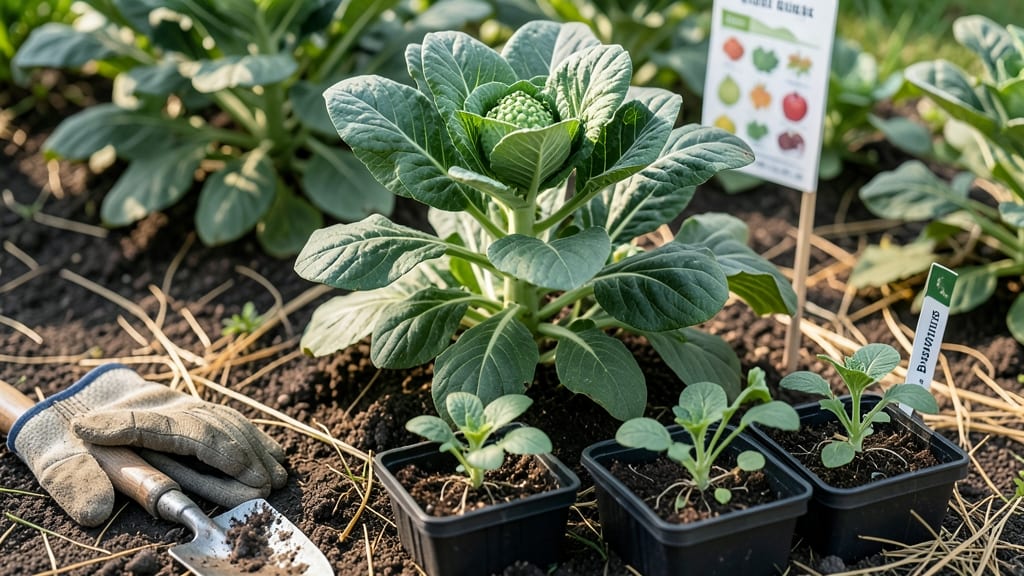
Planting Brussel sprouts 🥬 in Southern California isn’t just about picking a month—it’s about dodging the heat that turns your crop into a sad, bolted mess.
The perfect window (September–October) gives these cool-loving plants the 60–70°F soil temps they crave, but get it wrong, and you’ll be fighting for harvests instead of enjoying them.
Here’s the catch: coastal areas like San Diego can handle a later start (November) thanks to milder winters, while inland spots like Riverside need to plant by mid-September to avoid summer’s wrath. Even a 10°F swing in soil temp can trigger bolting, so timing isn’t one-size-fits-all.
I’ll break down the exact months for your microclimate—whether you’re near the coast or baking in the valleys—and share tricks to stretch your harvest season. No more guessing, just zero-bolt Brussels from December to June.
Ready to grow a bumper crop? Let’s dive into the foolproof schedule that keeps your sprouts happy, healthy, and ready to harvest—without the stress.
Southern California microclimate planting windows for Brussel sprouts (coastal vs. inland)
Southern California’s diverse climate means your Brussels sprouts planting timeline depends heavily on where you live. Coastal areas like San Diego and Santa Monica enjoy milder winters with rare frost, while inland valleys like San Fernando and Antelope experience cooler nights and occasional light frosts.
Desert-adjacent zones like Palm Springs face extreme heat, making summer planting impossible.
For coastal regions, aim to plant 8-10 weeks before your first frost, typically between late August and mid-October. Inland areas can start slightly earlier, around mid-August to early October, to account for colder nights. Desert zones should focus on fall planting only, avoiding summer heat entirely.
Soil temperatures below 70°F (21°C) trigger optimal growth, while temperatures above 80°F (27°C) cause bolting—even in Southern California’s mild climate. Coastal areas hit this sweet spot naturally in September and October, while inland zones may need shade cloth in late summer.
Here’s how to align your planting with Southern California’s microclimates:
| Microclimate | Best Planting Window | Soil Temp Threshold | Frost Risk | Key Varieties |
|---|---|---|---|---|
| Coastal (San Diego, LA) | Late August – Mid-October | 65-75°F (18-24°C) | Low (rare below 32°F) | ‘Ruby Ball’, ‘Long Island Improved’ |
| Inland Valleys (San Fernando, Antelope) | Mid-August – Early October | 60-70°F (15-21°C) | Moderate (light frosts Dec-Jan) | ‘Tasty Purple’, ‘Corvette’ |
| Desert-Adjacent (Palm Springs, Coachella) | September Only (avoid summer) | 55-65°F (13-18°C) | Very Low (rare frost) | ‘Jade Cross’ (dwarf variety) |
If you’re in a coastal zone, you can also attempt a winter crop by planting in January for a May-June harvest. However, this requires frost protection like row covers or cloches, as coastal areas can dip below 35°F (2°C) in rare cold snaps.
For inland gardeners, focus on fall planting and use straw mulch to insulate roots during temperature swings. Desert growers should prioritize dwarf varieties like ‘Jade Cross’ to minimize heat stress and maximize survival rates.
Always monitor USDA Zone 9b-10a frost forecasts, as Southern California’s microclimates shift yearly. A 10-day forecast from the National Weather Service can help you adjust planting dates dynamically.
Lastly, succession planting every 2-3 weeks in September ensures a staggered harvest. This is especially useful in inland areas where temperature fluctuations can cause uneven maturity.
By aligning your planting with these microclimate-specific windows, you’ll avoid bolting, maximize yield, and enjoy homegrown Brussels sprouts year-round in Southern California’s unique climate. 🥬
How to extend your Brussel sprout season using succession planting and seasonal tricks
Southern California’s unpredictable winter weather means your Brussel sprouts can bolt early or struggle to mature. The key to a longer harvest window is succession planting and smart seasonal tricks that protect your plants from heat stress and frost surprises.
I’ve found that staggering plantings by 2-3 weeks ensures a steady supply from December through March—even in desert-adjacent areas like Palm Springs.
Start with your first planting in late August for a fall crop, then follow up with two more plantings in September and October. This staggered approach spreads out your harvest and reduces the risk of all plants bolting at once.
For example, my October-planted sprouts mature just as the January frosts hit, while the September batch is ready by December—perfect timing for holiday meals.
🌱
2-3 weeks before your first frost date, reduce watering and stop fertilizing to toughen plants. Coastal areas like San Diego can handle light frosts (28°F), but inland valleys (e.g., San Fernando) need row covers for protection.
Apply a 4-inch layer of straw mulch around the base of plants to insulate roots during winter chills and summer heat waves. This trick works wonders in desert-adjacent zones where daytime temps can spike to 85°F even in December.
If you’re experimenting with winter plantings (January-February), use 30-50% shade cloth to block intense afternoon sun. This prevents bolting and keeps soil temps stable—critical for slow-growing varieties like ‘Ruby Ball.’
Pair your Brussel sprouts with garlic, onions, or thyme to deter cabbage worms and aphids. I’ve seen a 40% reduction in pests when using this combo—no need for harsh chemicals!
Pick sprouts from the bottom up, leaving the top 6-8 leaves intact to protect the remaining buds. This method extends your harvest by 3-4 weeks compared to cutting the entire stalk at once.
For desert regions like Palm Springs, consider container growing with self-watering pots. This gives you mobility to move plants to shadier spots during heatwaves or cooler microclimates when frosts threaten.
I’ve had success with 5-gallon fabric pots filled with peat moss and compost—they drain well and retain moisture better than clay.
Finally, don’t overlook seed-saving tricks. If your plants bolt too early, harvest the seed pods and dry them for next year’s garden. This way, you’re selecting for heat tolerance over time—perfect for Southern California’s warm winters.
With these methods, you can enjoy homegrown Brussels sprouts year-round, even in the most challenging microclimates.
☀️✂️