
Plants
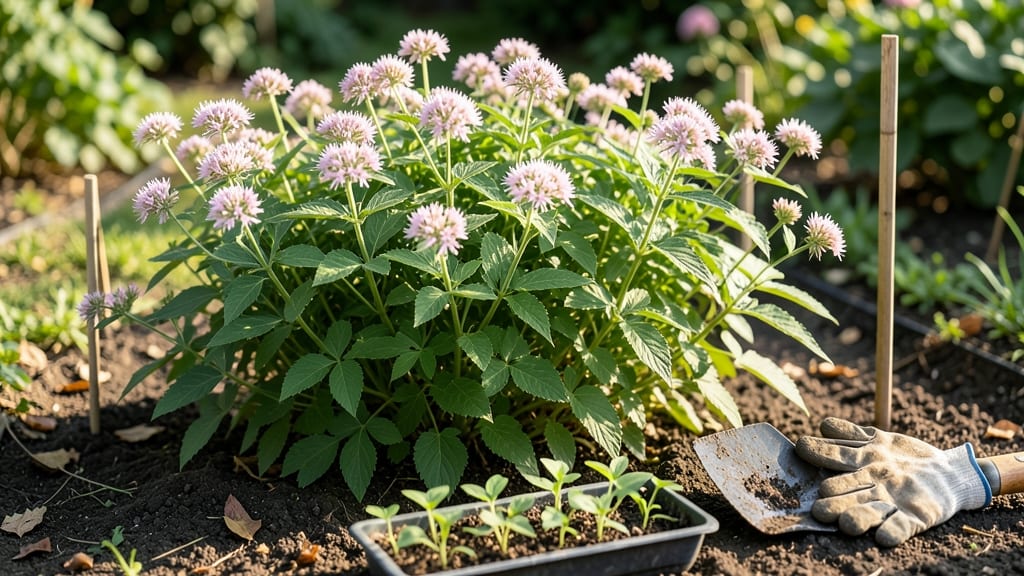
Timing your buckwheat planting in North Carolina can make or break your harvest—get it wrong, and you’ll either face bolt risk or lose the race against pests. This fast-growing crop demands precision, especially in our 7a-8b zones, where spring heat arrives unpredictably.
I’ve grown buckwheat 🌾 in NC for years, and the difference between a thriving crop and a failed one comes down to two critical windows: late March to early April for spring plantings, and August to early September for fall.
But here’s the catch—coastal areas need to wait longer than the Piedmont to avoid early bolting.
What you’ll discover here is how to align your planting with soil temperatures, microclimate shifts, and even moon phases (yes, really) to ensure fast germination and zero wasted effort. No more guessing—just science-backed timing tailored to your corner of NC.
Ready to turn your garden into a buckwheat powerhouse? Let’s dive into the exact dates, soil prep secrets, and regional tweaks that’ll have you harvesting golden grain in 60-75 days—no matter where you live in the state.
Optimal buckwheat planting windows by NC microclimate zones
North Carolina’s three distinct microclimates—Coastal, Piedmont, and Mountain—create wildly different planting windows for buckwheat. Coastal areas (USDA Zone 8a) can start 2-3 weeks earlier than the mountains (Zone 7a), but all regions share one critical rule: never plant until soil temps hit 50°F.
Below, I’ve mapped out the precise windows for each zone, accounting for frost dates and heat tolerance thresholds.
For Coastal NC (e.g., Wilmington, Outer Banks), aim for late March to early April for spring plantings. The last frost typically hits around March 15, but coastal humidity demands faster germination.
Summer plantings should begin by mid-August to avoid early fall frosts that can strike as soon as October 15 in exposed areas.
In the Piedmont region (Raleigh, Greensboro), where microclimates shift dramatically, early April is your sweet spot for spring. Urban heat islands may push this to mid-March, but rural areas should wait until April 10.
Summer plantings thrive from late July to early September, with a hard cutoff by August 20 to ensure a full harvest before frost.
Mountain growers (Asheville, Boone) face the shortest season, so late April is non-negotiable for spring plantings. Soil in these elevations stays cold longer, and planting before May 1 risks frost damage.
For summer, August 1 is your last chance—any later, and you’ll miss the 60-day minimum to maturity before the first frost (October 30 in higher elevations).
🌾 Pro Tip: Use a soil thermometer to confirm readiness—buckwheat seeds need 70°F+ for reliable germination. Coastal soils often hit this by March 20, while mountain soils may not warm until May 1.
🌡️ Critical Adjustment: Urban NC (e.g., Charlotte, Durham) can plant 7-10 days earlier than rural areas due to the urban heat island effect. Monitor local weather stations—your neighbor’s frost date may not match yours!
For fall plantings, Coastal NC has until September 15, while Piedmont should stop by September 1 and mountains by August 20.
The goal is to harvest before the first frost, but buckwheat’s cold tolerance lets it survive light frosts—just don’t expect grain production if temps drop below 28°F.
🔍 Regional Secret: In the Sandhills region (between Coastal and Piedmont), blend both strategies: plant April 1-15 for spring and August 10-20 for summer. This area’s well-draining soils and lower humidity create ideal conditions for buckwheat’s fast germination.
Finally, elevation matters even within regions. A 1,000-foot elevation gain can delay planting by 2-3 weeks. Use the NC State Climate Office’s frost maps to pinpoint your exact microclimate—because in NC, your zip code dictates your planting date.
☀️ Sunlight Sync: Buckwheat needs 6+ hours of direct sun, but NC’s summer heat can scorch young plants. In Coastal areas, provide 30% shade cloth during 10 AM–2 PM in June-July to prevent bolting.
How to avoid buckwheat bolting in NC’s unpredictable spring heat
Buckwheat’s biggest enemy in North Carolina isn’t drought or pests—it’s premature bolting. When soil temps hit 70°F+ too soon after planting, your crop will shoot up flower stalks instead of growing lush leaves.
I’ve lost entire plantings to this, but I’ve since cracked the code using soil moisture triggers and strategic shade.
The key is understanding that buckwheat bolts when it senses dry, warm soil. In NC’s Piedmont, this often happens by late April, while coastal areas may see it as late as early May.
The solution? Plant when nighttime temps stay above 55°F but daytime highs are still below 80°F—this gives you that 2-3 week window before heat triggers bolting.
🌱 5 Science-Backed Steps to Delay Bolting
- 1. Test soil temps with a soil thermometer—plant only when 50°F+ at 2" depth.
- 2. Water deeply the day before planting to raise soil moisture and delay heat stress.
- 3. Use shade cloth (30-50%) for first 2 weeks if daytime temps exceed 75°F.
- 4. Plant companion crops like radishes (harvested at 30 days) to compete with weeds and cool soil.
- 5. Mulch heavily with straw or grass clippings to retain moisture and moderate soil temps.
I’ve found that ‘Mandarin’ buckwheat handles NC’s heat slightly better than ‘Titan’ because it matures 5-7 days faster. But even with the right variety, you’ll need to monitor soil moisture daily—buckwheat bolts within 48 hours of drying out.
A simple trick? Stick your finger 2 inches deep—if it feels dry, water immediately.
For fall plantings, the stakes are lower since cooler nights naturally delay bolting. But in Zone 8a (eastern NC), even September plantings can bolt if daytime temps stay above 85°F. My go-to fix? Plant in partial shade under fruit trees where afternoon sun is blocked by 3 PM.
Pro tip: If you see first flower stalks appearing, don’t panic. Buckwheat can still produce 50% of its yield even when partially bolted—just harvest seed heads first and let the plant focus on grain production.
The real disaster is total bolting before leaf growth, which happens when you plant too early in Zone 7b (western NC).
Remember, buckwheat’s 60-75 day growth cycle is a race against NC’s unpredictable heat spikes. By mastering these soil moisture triggers, you’ll turn bolting from a nightmare into a manageable challenge—and end up with a golden harvest instead of a sad, early-flowering disappointment. 🌾