
Trees
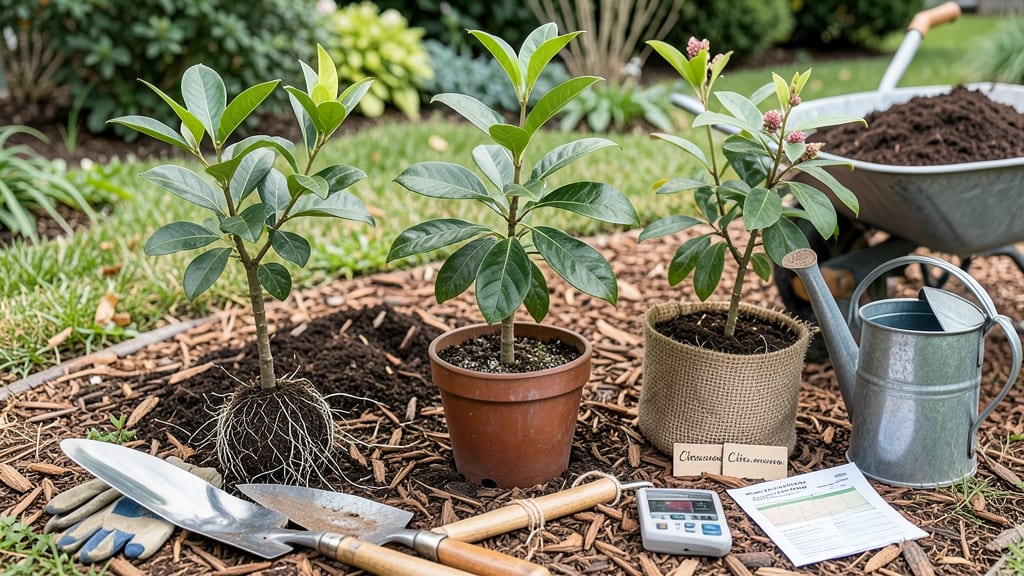
Timing your fruit tree planting in Florida wrong could mean watching your investment struggle—or worse, die—under the state’s brutal summer sun or sudden cold snaps.
Unlike other regions, Florida’s microclimates demand precision: what works in North Florida’s Zone 8 fails in the tropical South, where humidity and heat turn planting into a high-stakes gamble.
I’ve seen firsthand how a 2-week difference in planting can determine whether your citrus thrives or your avocado roots rot. The key isn’t just avoiding frost (though that’s critical in the Panhandle) but also dodging hurricane season’s chaos and soil that’s either too dry or waterlogged.
Let me break down the exact windows—down to the month—that Florida gardeners swear by for strong root growth and long-term success.
Whether you’re prepping for a spring orchard or container-growing in the Everglades, you’ll learn which trees need cool soil (like peaches) and which crave warmth (like mangoes). Spoiler: March and April are your golden months—but only if you follow the local rules. Ready to plant with confidence?
We’ll cover soil prep tricks, hurricane-proofing tips, and why mulching in July might save your tree’s life. No guesswork, just science-backed timing tailored to your corner of Florida. Let’s get those roots in the ground the right way.
Florida’s 5 microclimates & the best planting months for fruit trees
Florida’s climate varies dramatically from its frost-prone Panhandle to its tropical Everglades, making planting timing critical for fruit tree success. Unlike northern states, Florida’s USDA Zones 8-11 mean frost is rare in most areas—but heat, humidity, and hurricane risks still dictate the best windows.
For subtropical trees like citrus and peaches, aim for late winter to early spring, while tropical varieties such as avocados and mangoes thrive when planted in summer’s gentler months.
Your location determines everything: North Florida’s cooler winters allow citrus planting as early as January, while South Florida’s heat demands summer planting to avoid 100°F+ soil stress. Even within regions, microclimates—like coastal humidity vs. inland dryness—shift ideal timing by weeks.
Let’s break down the optimal 4-6 week windows for each zone, including soil prep and rootstock tips to ensure your trees take hold.
🌱
For North Florida’s citrus, timing aligns with bloom cycles—planting in January–February ensures roots establish before spring flushes. In contrast, South Florida’s tropical trees like mangoes need June–July’s cooler summer to avoid heat stress.
My pro tip: Use bare-root trees in winter (North) or container-grown in summer (South) for better transplant shock recovery.
Soil prep varies by region: North Florida’s sandy soils need compost + lime to raise pH, while South Florida’s clay benefits from organic matter to improve drainage. Always water deeply after planting—1–2 gallons per tree—and mulch heavily to retain moisture.
In hurricane-prone areas, stake young trees and plant 10+ feet from structures to avoid wind damage.
Container planting is ideal for urban gardeners or areas with poor soil. Use 5-gallon pots minimum for dwarf varieties and switch to 15+ gallons for standard trees. Citrus and avocados thrive in containers, while peaches and figs need in-ground planting for deep root growth.
If you’re in Zone 9b or higher, consider drip irrigation to manage water during dry seasons.
One common mistake? Planting citrus in
Critical mistakes that ruin fruit tree planting in Florida (and how to avoid them)
Even experienced Florida gardeners make costly mistakes when planting fruit trees, and I’ve seen them all—from burned roots in summer heat to fungal infections from overwatering. The biggest blunder?
Planting during peak summer months (June-August) when soil temperatures exceed 90°F, shocking young roots. Citrus and avocado trees, in particular, suffer from heat stress during this time.
Another common trap is ignoring soil pH requirements. Most Florida soils are naturally acidic, but citrus trees need a pH between 6.0-7.0. If you skip a soil test, your orange tree might look healthy above ground while its roots struggle to absorb nutrients below.
I recommend testing your soil before planting—it’s a small step that saves years of frustration.
🌱
⚠️ Hurricane Season Planting Danger Zone
Planting June through October means your young tree faces hurricane-force winds and flooding risks. Even a Category 1 storm can uproot a newly planted tree. My advice? Wait until late October for tropical varieties or stick to container planting if you must plant during hurricane season.
Choosing the wrong rootstock is another silent killer. Florida’s sandy soils drain too quickly for many commercial rootstocks, leaving trees vulnerable to drought. For example, Swingle citrumelo thrives in Florida’s conditions, while Carrizo citrange struggles without extra care. Always check rootstock recommendations for your specific tree variety.
Overwatering is just as deadly as underwatering. Newly planted trees need deep, infrequent watering to encourage root growth. Many gardeners make the mistake of light, daily watering, which keeps roots shallow and weak.
Instead, water once a week for the first month, then taper off as roots establish—aim for 1-2 inches of water per week.
Finally, skipping mulching in Florida’s intense sun is a recipe for disaster. A 3-4 inch layer of organic mulch (like pine bark) keeps roots cool, retains moisture, and blocks weeds.
Without it, your tree’s roots bake in 100°F+ soil, leading to poor growth. Apply mulch immediately after planting and reapply as needed.
By avoiding these mistakes, your fruit trees will establish strong roots and thrive—no matter which Florida microclimate you’re in. The key is patience and preparation, not rushing into planting during the state’s harshest conditions. 🌿