
Plants
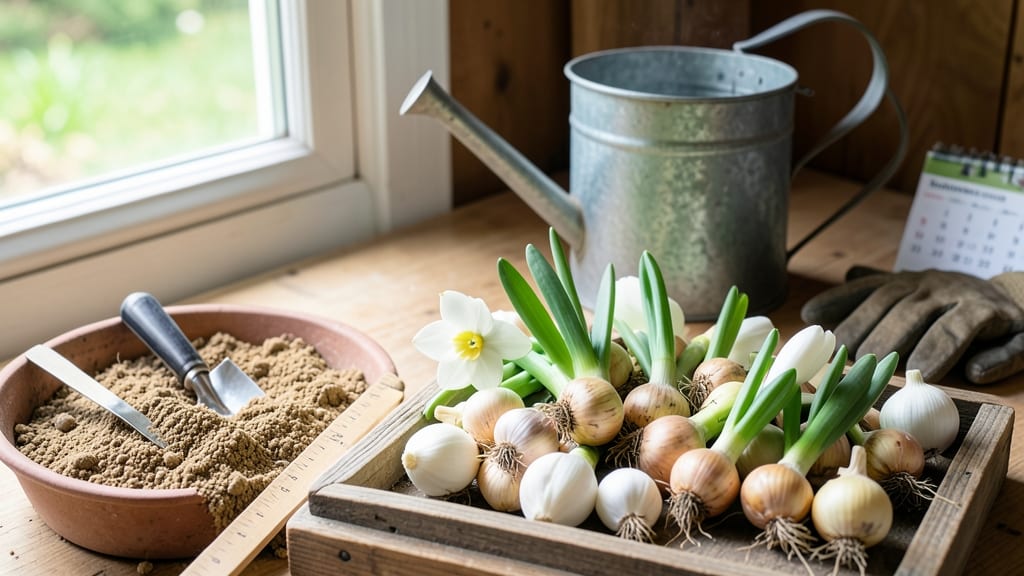
If you’ve ever wondered when to plant bulbs in Florida and still get those vibrant spring blooms, you’re not alone. Florida’s unique climate—where frost is rare and heat lingers—means traditional planting advice just doesn’t cut it.
The key? Planting during Florida’s cool-season window (fall and early winter) to give bulbs like daffodils and tulips a fighting chance against the humidity and warmth.
Most gardeners assume spring is the time to plant, but that’s a recipe for disappointment in Florida’s 9a-11 zones. Instead, focus on September through November, when temperatures dip slightly and the soil stays warm enough to encourage root growth.
This timing ensures your 🌷 spring-planted bulbs establish strong roots before the heat of summer arrives.
Why does this matter? Because bulbs planted at the wrong time in Florida’s climate often rot, fail to bloom, or struggle to survive.
I’ll show you exactly how to time your planting, choose the right bulbs for your region, and keep them thriving—so you can enjoy those cheerful blooms come spring without the guesswork.
Whether you’re in North Florida’s cooler pockets or the balmy South, the secrets to success lie in understanding your microclimate and a few simple adjustments. Let’s dive into the perfect planting schedule and care tips tailored just for Florida gardens.
Florida’s ideal bulb planting timeline: month-by-month guide
Florida’s frost-free winters mean traditional spring bulbs like tulips and daffodils need a different approach. The optimal planting window is August through October, when soil temperatures drop slightly and humidity rises—perfect for root establishment before summer’s return.
This timing ensures bulbs bloom in late winter or early spring, avoiding the brutal summer heat.
Unlike northern states, Florida gardeners don’t need to wait for frost. Instead, focus on soil temperature (aim for 60–70°F) and rainfall patterns. South Florida’s USDA Zones 10–11 can plant year-round, while North Florida (Zone 8b–9a) should prioritize September–October to avoid summer stress.
Let’s break it down by month for maximum success.
| Month | Action | Notes for Florida | Best Bulbs |
|---|---|---|---|
| August | Prep soil; plant early varieties | Soil temps still warm; use shade cloth if planting in full sun | Rain lilies, spider lilies |
| September | Plant main bulbs; mulch heavily | Best month—cooler soil, higher humidity for root growth | Daffodils, hyacinths, crocus |
| October | Finish planting; protect from pests | Add organic mulch to retain moisture | Tulips, grape hyacinths |
| November | Water lightly; monitor for slugs | North FL only—South FL can plant anytime | Crinum lilies, amaryllis |
| December–February | Minimal care; enjoy blooms | Avoid overwatering—bulbs rot in soggy soil | All planted bulbs |
Planting in August gives bulbs a head start, but soil is still warm—ideal for heat-tolerant varieties like rain lilies (Zephyranthes). September is peak time for cool-season classics (daffodils, tulips) because temperatures drop just enough to mimic their natural dormancy cycle.
By October, focus shifts to pest control (slugs love tender shoots) and mulching to lock in moisture.
North Florida’s slightly cooler microclimates can handle November plantings, but South Florida’s Zone 10–11 gardeners should avoid this window—summer’s return stresses bulbs. Instead, opt for winter planting (January–February) of spring-blooming bulbs like Crinum lilies, which thrive in Florida’s mild winters.
The key is timing roots before heat, not frost.
Pro tip: Use a soil thermometer to confirm temps are below 75°F before planting. In South Florida, this might mean waiting until late October for traditional bulbs. For North Florida, September is non-negotiable—earlier plantings risk summer dormancy before blooming.
Always plant bulbs 2–3 times as deep as their height for stability in Florida’s sandy soils.
Watering is critical post-planting. Give bulbs a deep soak weekly for the first month, then taper to bi-weekly once roots establish. Florida’s humidity helps, but overwatering kills bulbs faster than drought.
Use drip irrigation to avoid wetting foliage (fungus risk). Mulch with pine straw or shredded bark to retain moisture and regulate soil temperature.
Don’t forget sunlight needs. Most bulbs crave 6+ hours of sun daily, but Florida’s intense rays can scorch leaves. Plant in morning sun with afternoon shade for delicate varieties like tulips.
Native bulbs like spider lilies tolerate partial shade, making them perfect for woodland gardens or under palm trees.
Finally, Florida’s humid subtropical climate means pests are relentless. Slugs, snails, and bulb mites thrive here. Apply organic slug bait (copper tape or diatomaceous earth) and neem oil
Florida’s ideal bulb planting timeline: month-by-month guide
Florida’s frost-free winters mean you can plant bulbs almost year-round, but the best window for cool-season varieties like daffodils and tulips is September through November. This timing lets bulbs establish roots before summer heat arrives, ensuring vibrant spring blooms.
In North Florida’s cooler zones (like Panhandle), you can push planting into early December, while South Florida’s balmy climate works best with January–February plantings.
Why this timing? Bulbs need 60–70°F soil temps to root but avoid summer heat stress. Planting too early (like June) risks rot, while waiting until December may leave bulbs struggling in Florida’s mild winters.
The key is balancing root growth and heat avoidance—a delicate act in the Sunshine State.
Here’s your month-by-month breakdown for Florida’s three regions, including critical deadlines and microclimate adjustments:
| Month | North Florida (Zones 8a–9a) | Central Florida (Zones 9b–10a) | South Florida (Zones 10b–11) |
|---|---|---|---|
| August | Early prep: Test soil, amend with sand | Soil too hot; wait until September | Not ideal; risk of fungal rot |
| September | ✅ Prime time: Plant daffodils, tulips | ✅ Prime time: Best for cool-season bulbs | ⚠️ Last chance: Fast rooting needed |
| October | ✅ Still ideal: Add rain lilies, spider lilies | ✅ Still ideal: Focus on shade-tolerant bulbs | ❌ Avoid: Soil too warm for rooting |
| November | ✅ Last month: Tulips need chill | ⚠️ Risky: Use mulch to protect | ❌ Skip: Bulbs may rot |
| December–February | ✅ Winter bulbs: Plant crocus, snowdrops | ✅ Winter bulbs: Best for hardy varieties | ✅ Winter bulbs: Try rain lilies (heat-tolerant) |
Missed the fall window? Don’t panic! Florida’s mild winters allow for a second planting window in January–February, especially for heat-tolerant bulbs like rain lilies (Zephyranthes) or spider lilies (Lycoris).
These natives thrive in Florida’s humidity and bloom even without a chill period. Just plant them shallowly (2–3 inches deep) and keep soil moist until roots establish.
Pro tip: Use mulch (3–4 inches of pine straw) after planting to insulate bulbs from Florida’s temperature swings. This mimics the natural conditions bulbs crave—cool roots and warm tops—without the frost.
In South Florida’s Zone 11, mulch also protects bulbs from summer heat stress, which can cause premature dormancy.
Timing isn’t just about months—it’s about soil temperature. Use a soil thermometer to aim for 60–70°F at planting depth (6 inches). If your soil runs hotter, plant shallower (4–5 inches) and water deeply to cool it.
This tweak can mean the difference between blooms and busts in Florida’s unpredictable climate.