
Plants
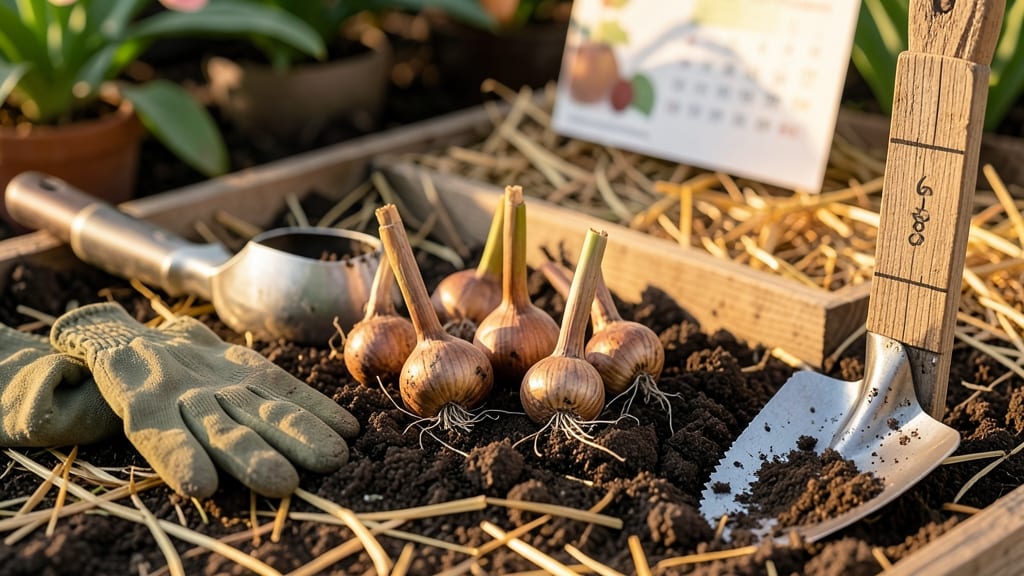
When should you plant bulbs in the ground? Timing your bulbs (General) 🌱 planting just right is the secret to a garden bursting with color next spring. Plant too early or late, and you might miss the perfect window entirely—leaving you with weak growth or no blooms at all.
Most gardeners in USDA Zone 6a know the golden rule: late summer to early fall is the sweet spot for planting spring-flowering bulbs. But what if you're in a warmer zone? Or if you're trying to grow summer-blooming varieties like dahlias? The answer isn't one-size-fits-all.
In this guide, I’ll break down the exact deadlines for planting bulbs—whether you’re prepping for tulips in April or dahlias in June. You’ll learn how to adjust for your climate, avoid common mistakes, and give your bulbs the best possible start for vibrant blooms.
Ready to transform your garden? Let’s dive into the fall vs. spring planting rules that will make all the difference in your blooming success.
Fall planting deadlines for bulbs by USDA hardiness Zone
Planting bulbs in the fall is the golden rule for most gardeners aiming for spring blooms. The key is timing it 6-8 weeks before the first frost—this gives roots enough time to establish before winter dormancy.
But deadlines shift dramatically depending on your USDA hardiness zone, soil temperatures, and even local microclimates. Let’s break down the exact windows for tulips, daffodils, hyacinths, and other classic bulbs so you can plant with confidence.
In Zone 3-5 (cold climates like Minnesota or upstate New York), aim for mid-September to early October. Soils here cool quickly, so early planting risks rot.
Meanwhile, in Zone 7-9 (warmer areas like Texas or Florida), you might still plant into November—but watch for soil temperatures below 60°F (15°C), which signals it’s time to stop. The difference? A 3-4 week shift between northern and southern regions.
Here’s a quick rule of thumb: Plant when daytime temps average 60-70°F (15-21°C) and nighttime temps dip into the 40s°F (4-9°C). This balance ensures roots grow but bulbs don’t sprout too early.
For example, in Zone 6a (like Chicago), that’s typically late September to mid-October. Miss this window, and you risk bulbs sprouting in winter—only to freeze back and fail to bloom.
Now, let’s dive into the zone-by-zone deadlines with a clear timeline so you can mark your calendar. This summary table will help you pick the perfect planting window for your region, along with soil prep tips to set your bulbs up for success.
| USDA Zone | Ideal Planting Window | Soil Temp Goal | Bulb Examples | Pro Tip |
|---|---|---|---|---|
| 3-4 (Cold) | Mid-September to early October | Below 60°F (15°C) | Tulips, Crocus, Hyacinth | Use 3-4 inches of mulch after planting. |
| 5-6 (Cool) | Late September to mid-October | 50-60°F (10-15°C) | Daffodils, Allium, Snowdrops | Plant shallower in clay soil (3x bulb height). |
| 7-8 (Temperate) | October to early November | Above 50°F (10°C) | Lilies, Fritillaries, Anemones | Avoid planting after first frost. |
| 9-10 (Warm) | November to December | No frost risk | Crinum, Rain Lilies, Canas | Soak bulbs 24 hours before planting. |
Notice how Zone 9-10 bulbs like rain lilies or crinum can handle late fall planting? That’s because these tropical or subtropical varieties thrive in warmer winters and don’t need cold stratification.
But for tulips or daffodils, planting in Zone 10 after November risks premature sprouting—they’ll grow but may not survive summer heat.
Another critical factor is soil preparation. Bulbs need well-draining soil to prevent rot. Amend heavy clay with compost or sand, and avoid fresh manure—it can burn delicate roots. I like to mix in a slow-release bulb fertilizer (like 5-10-10) at planting time for an extra boost.
Just don’t overdo it: too much nitrogen now can encourage foliage over flowers.
One common mistake? Planting too early in warm climates. If you’re in Zone 9b (like Los Angeles) and plant tulips in September, they might sprout, grow, and then brown in summer heat before winter arrives.
Instead, wait until October-November when soils cool. The same goes for Zone 7—if you plant in September, bulbs may not get enough root growth before frost.
Pro tip: Check your local last frost date (not first frost!) and count backward 6-8 weeks. For example, if your last frost is March 15, plant by
Spring planting rules for bulbs: what you must know
Planting bulbs in spring is riskier than fall planting, but it’s possible with the right bulb varieties and climate conditions.
Most spring-flowering bulbs (like tulips and daffodils) need winter chilling to bloom, so spring planting works best for tropical bulbs like cannas, dahlias, and caladiums, which thrive in USDA Zones 7-10.
For spring planting to succeed, focus on warm-climate bulbs that don’t require cold dormancy. These include gladioli, calla lilies, and rain lilies, which can be planted as late as April or May in frost-free zones.
Avoid planting traditional spring bulbs like tulips in spring—they’ll likely rot before blooming.
🚨 CRITICAL WARNING 🚨
Planting spring-flowering bulbs (e.g., tulips, hyacinths) in spring almost always fails because they need 6-8 weeks of cold to trigger blooming. Only tropical bulbs (e.g., cannas, dahlias) succeed when planted in spring. Soil temperatures above 60°F can cause bulbs to rot before sprouting.
If you’re in Zone 7 or warmer, prioritize summer-blooming bulbs like dahlias or elephant ears. Plant them after the last frost when soil warms to 60°F+. For cooler zones (e.g., Zone 6 or colder), stick to fall planting—spring planting is nearly impossible without risking rot.
When planting spring bulbs, prepare the soil by amending it with compost and sand to improve drainage. Tropical bulbs hate soggy soil, so raise beds or plant in containers if your area gets heavy spring rains. Water lightly after planting, then reduce once shoots appear to prevent fungal diseases.
Extend your growing season by choosing early-blooming varieties of summer bulbs. For example, dahlias planted in early spring (March-April) may bloom by June or July, while calla lilies planted in May can flower by mid-summer.
Always check the USDA zone range for your specific bulb variety—some tropical bulbs thrive in Zone 8+, while others tolerate Zone 6 with winter protection.
Pro tip: Mark your calendar for late spring (May-June) to plant fall-blooming bulbs like crocuses or fall-blooming daffodils in cooler microclimates. These can sometimes be planted in early summer for autumn flowers, but timing is tight—aim for 6-8 weeks before first frost.