
Plants
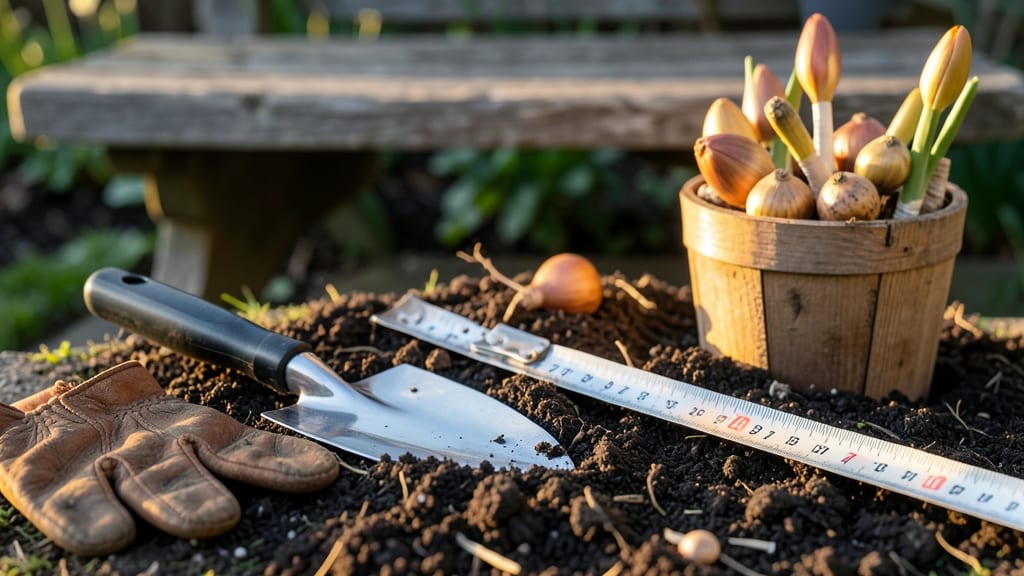
Timing your planting of Bulbs (General, e.g., Tulip, Daffodil, Hyacinth, Crocus) in Kentucky isn’t just about the calendar—it’s about outsmarting the state’s unpredictable frost patterns and microclimates. 🌷 Whether you’re in Louisville’s urban heat islands or Eastern Kentucky’s cooler valleys, getting those bulbs in the ground at the right moment could mean the difference between a breathtaking spring display and a wasted investment.
Most gardeners know fall is the prime window, but did you realize Kentucky’s USDA zones 6a-7a demand precision? Planting too early and the bulbs might rot; too late, and they’ll miss the critical root-growth window before winter sets in.
I’ll break down the exact deadlines by county so you never guess again—no more digging in the dark hoping for the best.
What if you missed the fall window? No problem. I’ll also cover the best early-spring planting strategies for Kentucky’s climate, including which bulbs thrive when planted in March or April instead.
Plus, I’ll share the three most common mistakes Kentucky gardeners make—and how to avoid them—so your 🌷 bulbs get the strong start they deserve.
Ready to transform your garden into a springtime showstopper? Let’s dive into the science-backed deadlines, soil secrets, and microclimate hacks that will have your bulbs blooming like never before.
Kentucky’s bulb planting zones: when to plant by county and hardiness
Kentucky’s diverse USDA zones (5a–7a) mean your bulb planting timeline should shift depending on whether you’re in Louisville’s urban heat islands or Eastern Kentucky’s cooler highlands. For most gardeners, fall planting (October–November) is ideal, but spring planting (March–April) works for tropical bulbs like cannas.
Let’s break down the specifics by region to ensure your bulbs thrive.
In Western Kentucky (USDA 7a), including Louisville and Bowling Green, soil temperatures drop below 60°F by mid-October, making late September to early November your planting window.
Meanwhile, Eastern Kentucky (USDA 5b–6a), like Pikeville or Corbin, has earlier frost dates, so aim for mid-September to late October to avoid winter damage.
Here’s how to align your planting with Kentucky’s microclimates and frost patterns:
🌱 Kentucky Bulb Planting Deadlines by Region
| Region | USDA Zone | Fall Planting Window | Spring Planting Window | Key Bulbs to Plant |
|---|---|---|---|---|
| Western KY (Louisville, Bowling Green) | 7a | Late Sept–Early Nov | March–Early April | Tulips, Daffodils, Hyacinths |
| Central KY (Lexington, Frankfort) | 6b | Mid-Sept–Mid-Nov | Late Feb–Early April | Crocus, Allium, Snowdrops |
| Eastern KY (Corbin, Pikeville) | 5b–6a | Mid-Sept–Late Oct | Late March–Early May | Daffodils, Fritillaries, Muscari |
For tulips and daffodils, plant in October—this gives roots time to establish before winter. In Northern Kentucky (USDA 6a), like Covington, late October is safer than early November. Meanwhile, Southern Kentucky (USDA 7a), such as Hopkinsville, can stretch planting into early November due to milder winters.
Kentucky’s humidity and clay-heavy soils can cause bulbs to rot if planted too deep or in soggy conditions.
Aim for 6–8 inches deep and ensure well-draining soil by amending with compost. Daffodils (Narcissus) are the hardiest choice for Kentucky gardens, tolerating USDA Zone 3–8 and even thriving in shadier spots.
If you’re in Zone 7a (Western KY), consider spring-planting bulbs like caladiums or cannas, which need warmer soil. Wait until after the last frost (mid-April) and plant 2–3 inches deep in well-draining beds.
These tropical bulbs won’t survive Kentucky winters outdoors, so dig them up in fall before frost.
Pro tip: Use a soil thermometer to monitor temperatures—plant when soil is below 60°F but above freezing. This ensures bulbs root before winter dormancy but avoid early frost damage.
In Lexington’s Zone 6b, this usually aligns with mid-October, while Louisville’s Zone 7a can wait until early November.
For container gardening, plant bulbs in October–November and keep pots in a cool, dark place (40–50°F) over winter. Bring containers indoors in late winter to encourage blooming. This works well for hyacinths and paperwhites, which thrive in pots and add winter fragrance to your home.
Remember: Kentucky’s unpredictable weather means checking your local Cooperative Extension Service for frost dates. For example, Eastern KY’s higher elevations can see frost 2–3 weeks earlier than Louisville. Adjust your planting timeline accordingly to avoid frozen bulbs or rotted roots.
🌷
Critical fall planting deadlines: avoid these 3 common mistakes in Kentucky gardens
Kentucky’s fall planting window for bulbs runs from mid-September to mid-November, but timing isn’t one-size-fits-all. The key is planting when soil temperatures drop below 60°F—this triggers root growth before winter dormancy.
In Louisville (Zone 7a), aim for October 1-15, while Eastern Kentucky (Zone 6a) gardeners should plant by October 15-30 to avoid early frost risks.
Miss the window? Don’t panic. Bulbs planted in early December can still survive if the ground isn’t frozen, but they’ll need a thick 4-inch mulch layer to insulate roots. The real deadline is 6-8 weeks before your area’s first hard frost—check your local USDA zone for precision.
⚠️ Callout Warning ⚠️
🚨 3 Deadly Mistakes Kentucky Gardeners Make
1. Planting Too Early: Warm soil (>60°F) causes bulbs to sprout prematurely, making them vulnerable to rot or frost damage. Wait until soil cools—test with a soil thermometer or dig a 6-inch hole to check.
2. Skipping Soil Prep: Kentucky’s clay-heavy soils drain poorly, suffocating bulbs. Amend with compost or sand to improve drainage. A 2-inch layer of gritty material at the bottom of the hole works wonders.
3. Planting Too Shallow: Bulbs need 3x their height in depth (e.g., a 2-inch tulip bulb goes 6 inches deep). Shallow planting exposes them to freeze-thaw cycles, which can split or kill them.
Pro tip: Use a planting gauge or ruler to ensure depth consistency. Mark your calendar for October 15—this is the safest deadline for most of Kentucky, giving bulbs time to root before winter sets in.
For high-altitude areas (e.g., Pikeville), push the deadline to November 1 to account for earlier frosts.
After planting, mulch heavily with straw or shredded leaves to protect bulbs from temperature swings. In urban Louisville, where heat islands delay frost, you might extend planting until late November, but monitor 10-day forecasts for cold snaps.
For spring-blooming bulbs like daffodils, focus on October planting—they’re more frost-hardy and can handle Kentucky’s winter chill. Tulips, however, need cold stratification and should go in by November 1 in cooler zones.
Remember: Bulbs planted in fall need 6-8 weeks of root growth before winter. If you’re late, opt for spring-planted bulbs like caladiums or cannas, which thrive in Kentucky’s humid summers. 🌱