
Plants
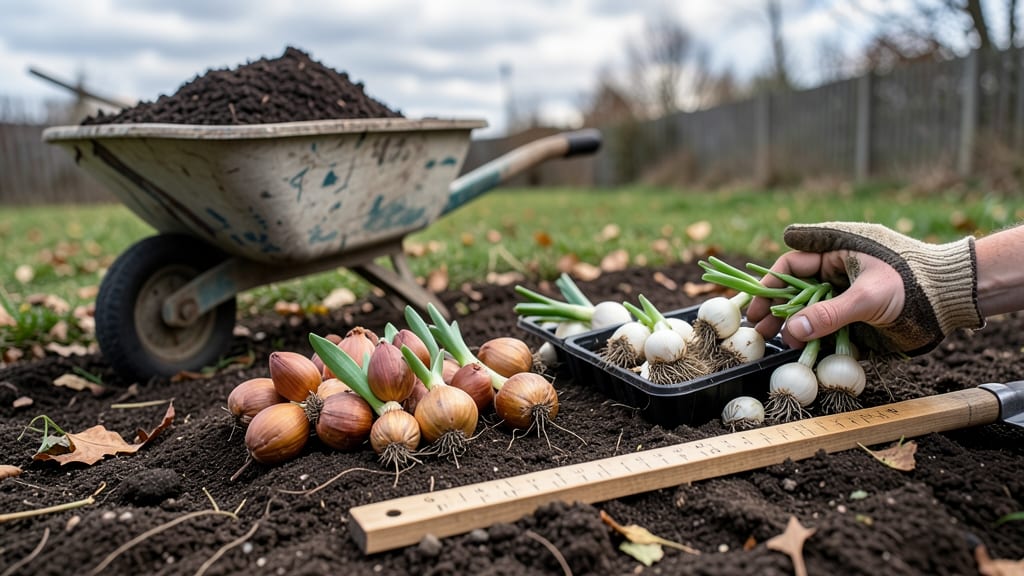
When to plant bulbs in Maryland 🌷 could mean the difference between a showstopping garden and a sad, frozen disappointment. The secret lies in understanding when to plant—whether it's the ideal fall window or a strategic spring backup—so your tulips and daffodils burst through the soil like clockwork.
Maryland's USDA Zones 6a to 7b create a unique challenge, with frost dates that can shift from year to year. Planting too early risks rot, while waiting too late means bulbs won't establish strong roots before winter.
I'll break down the exact September to November window that works best for your region, plus how to adjust for Maryland's unpredictable weather.
You'll also discover why most gardeners get it wrong—and how to avoid their mistakes. From soil prep tricks to post-planting care, I've got the insider tips that will have your bulbs thriving even in Maryland's clay-heavy soil. Let's get those 🌷 blooms growing stronger than ever.
The best part? These timing strategies work for both beginners and seasoned gardeners. Whether you're planting a few bulbs in containers or transforming your entire yard, you'll know exactly when to dig in for maximum impact. Ready to make next spring your most colorful yet?
Ideal fall planting months in Maryland for spring blooms
Maryland’s cool fall temperatures and moist soil create perfect conditions for planting bulbs that will bloom next spring. The optimal window spans from mid-September to mid-November, but exact timing depends on your specific USDA Zone (6a-7b) and local frost patterns.
In Zone 6a (western Maryland), aim to plant by October 15 to ensure bulbs establish roots before the ground freezes. Gardeners in Zone 7a/b (eastern Maryland) have slightly more flexibility, with November 1 as the cutoff for most varieties.
Soil temperature is your best guide—plant when soil cools to 60°F at a 6-inch depth. Use a soil thermometer to track progress, especially in clay-heavy Maryland soils that retain heat longer.
The 6-8 week rule applies: count backward from your average first frost date (typically mid-November in Maryland). For example, if frost hits November 15, plant by September 30 to guarantee root development.
| Bulb Type | Ideal Planting Window | Depth | Spacing |
|---|---|---|---|
| Tulips | Late Sept-Oct | 6-8" | 4-6" |
| Daffodils | Oct-Nov | 6-8" | 4-6" |
| Hyacinths | Sept-Oct | 6" | 4-5" |
| Crocus | Sept-Oct | 3-4" | 2-3" |
For early bloomers like crocus and snowdrops, plant in late August to early September—they need extra time to establish roots for late winter/early spring blooms. In contrast, late tulips (like Darwin hybrids) can wait until mid-October for optimal results.
Maryland’s humidity and rainfall during fall make it ideal for bulb planting, but avoid soggy soil. Amend clay soils with compost or sand to improve drainage, and always plant bulbs in well-draining locations to prevent rot.
After planting, apply a 2-3 inch layer of mulch (straw or shredded leaves) to insulate bulbs and retain moisture. This is especially critical in Zone 6a where winters can be harsher.
Monitor your garden for early frosts—if temperatures drop suddenly, cover newly planted areas with straw or burlap until the ground freezes naturally. This protects tender roots while allowing bulbs to acclimate.
Remember: fall-planted bulbs need 6-8 weeks of cool soil before winter dormancy. The earlier you plant, the stronger your spring blooms will be—don’t wait until November unless you’re in Zone 7b.
Spring planting bulbs in Maryland: risky or rewarding?
Spring planting bulbs in Maryland is a high-risk strategy that can pay off with the right bulbs and timing. While most gardeners swear by fall planting, late-winter or early spring can work for frost-hardy varieties like daffodils and crocuses.
The key is understanding which bulbs tolerate cooler soil and how to prep your garden for success.
In Maryland’s USDA Zones 6a-7b, spring planting becomes viable when soil temperatures rise above 50°F (10°C), typically in late February to early March. This window gives bulbs time to root before summer heat sets in.
However, tulips and hyacinths rarely thrive when planted in spring—their roots need the cool dormancy of fall to develop properly.
Here’s the catch: Maryland’s Zone 8 areas (like southern Maryland) have milder winters, allowing spring planting as early as February 15th. Meanwhile, Zone 6 gardeners (northern Maryland) should wait until March 1st to avoid frost damage. Always check your local last frost date—planting too soon risks freezing roots.
To make spring planting work, I recommend warming the soil first. Lay down black plastic mulch 2-3 weeks before planting to raise temperatures. Plant bulbs 3 inches deeper than fall (6-8 inches total) to protect them from temperature swings. Water deeply after planting, then mulch with straw to retain moisture.
If you’re tempted to try spring planting, stick to daffodils, crocuses, and alliums—these handle cooler soil best. For tulips, hyacinths, or fritillarias, fall planting is your only reliable option. The 10-14 day window between soil warming and last frost is your sweet spot for success.
Remember: Spring planting is a gamble. For guaranteed blooms, fall planting remains the gold standard in Maryland. But with the right prep, spring can deliver a surprise early show of color—just don’t expect it to replace your fall-planted stars.