
Plants
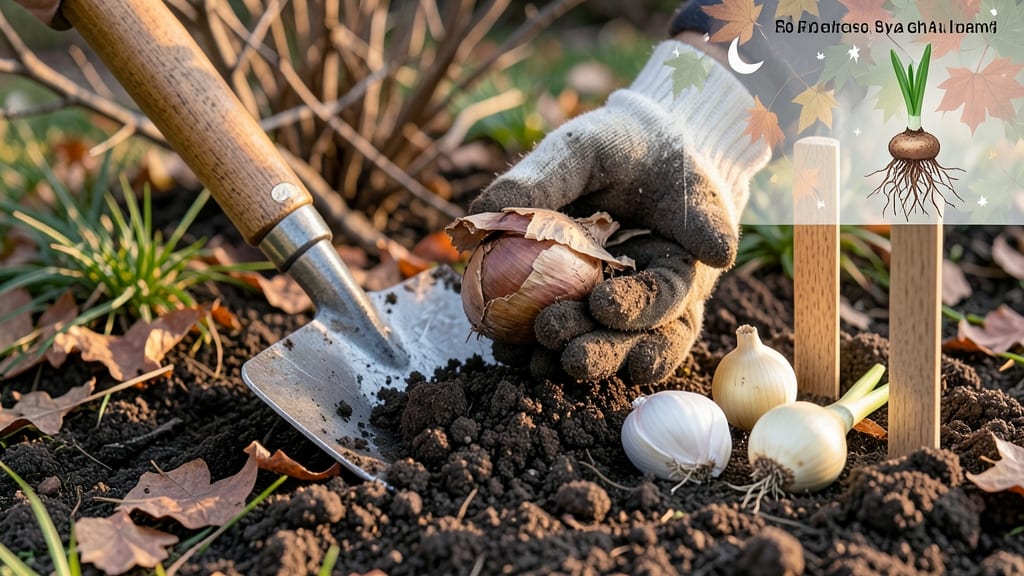
Timing the planting of bulbs in NJ could mean the difference between a garden bursting with color and one that disappoints—especially with New Jersey’s shifting seasons. Whether you’re dreaming of 🌷 tulips in April or hardy crocuses peeking through snow, getting the window right is everything.
Most gardeners know fall is the prime time for classic spring-bloomers like daffodils and hyacinths, but NJ’s Zone 6a-7b climate adds a layer of complexity. Plant too early, and bulbs might rot; too late, and frost zaps their energy before spring.
I’ll break down the exact deadlines—down to the week—so you can avoid those common mistakes.
But what if you missed fall? Don’t worry—spring planting still works for certain varieties, like dahlias or cannas, that thrive in NJ’s warmer pockets. We’ll cover soil prep, frost date benchmarks, and even how coastal vs. inland microclimates play a role in your success.
Ready to transform your garden? Let’s dive into the perfect planting schedule for NJ, so you can enjoy blooms that outshine the neighbors’—no guesswork required.
Fall planting deadlines for NJ bulbs: the golden window before frost
Timing is everything when planting fall bulbs in NJ, where Zone 6b-7a winters demand precision. The ideal window spans October through mid-November, but missing it means weaker blooms—or no blooms at all.
For tulips, daffodils, and hyacinths, aim to plant when soil temps hit 60°F (15°C) but before the first hard frost, which typically arrives by November 1 in inland NJ and November 15 along the coast.
Why wait until fall? Bulbs need 6-8 weeks of chilly dormancy to develop strong roots before spring. Planting too early (like September) risks rot, while planting too late (after frost) stunts growth. NJ’s clay-heavy soils also require extra prep—amend with compost and sand to improve drainage.
Pro tip: Use a bulb planter or trowel to avoid damaging roots during placement.
Soil temperature is your best guide: 50-60°F (10-15°C) is perfect. Check with a soil thermometer or wait until daytime highs drop below 70°F. In northern NJ (Zone 6b), start by October 15; in southern NJ (Zone 7a), wait until November 1. Coastal areas like Cape May have 10-14 days later due to milder microclimates.
For coastal NJ gardeners, extend deadlines by 10–14 days due to milder winters. For example, Cape May can plant hyacinths until November 15, while Morris County should finish by November 1.
Use the NJAES Frost Date Map to confirm local thresholds—it’s your best tool for avoiding frost-related setbacks.
Prep soil by mixing in 2–3 inches of compost and sand to break up clay. Aim for well-draining soil; bulbs rot if soggy. After planting, top with 2–3 inches of mulch (straw or shredded leaves) to insulate roots. This protects against freeze-thaw cycles and keeps soil temps stable.
Skip fertilizing now—bulbs need dormancy to thrive. Wait until early spring (March) to apply a balanced 5-10-10 fertilizer when shoots emerge. Over-fertilizing in fall can encourage weak root growth and invite pests like squirrels, who love digging up bulbs for snacks.
Mark planting spots with biodegradable flags to avoid disturbing soil next spring. In heavy clay zones, consider raised beds for better drainage. If you miss the fall window, early spring planting (March) is your backup—but expect smaller blooms. The key is patience and precision.
Pro tip: Chill bulbs indoors for 6–8 weeks if planting late. Store them in a cool (40–50°F), dark place (like a garage) before transplanting. This mimics winter dormancy and boosts bloom quality. Just don’t refrigerate—they’ll rot!
🌱
Spring-planted bulbs in NJ: late bloomers and tropical varieties explained
If you love bold summer blooms like dahlias or cannas, spring-planted bulbs are your secret weapon—but NJ’s short growing season demands precision. Unlike fall-planted varieties, these heat-loving bulbs need to establish roots after the last frost, typically by April 15 in most of NJ.
Coastal areas (Zone 7b) can push planting to mid-April, while inland zones (6b) should aim for early April to avoid late frosts.
Spring bulbs thrive in NJ’s humid summers but struggle with our clay-heavy soils. Amend beds with compost or sand to improve drainage, and always plant in well-draining spots—these bulbs rot if waterlogged. Mulch heavily after planting to retain moisture and regulate soil temperature.
| Bulb Type | Planting Window | Key Care Tip | Bloom Time |
|---|---|---|---|
| Dahlias | April 15–May 15 | Stake tall varieties; cut back foliage in fall | July–October |
| Cannas | April 1–May 1 | Divide tubers every 3 years for vigor | June–September |
| Gladiolus | April 15–May 10 | Plant corms 4" deep; rotate location yearly | July–August |
| Caladiums | April 1–May 1 (after frost) | Grow in partial shade; lift tubers before frost | June–September |
For Zone 7b/8a pockets (like Cape May or Atlantic City), you can experiment with tropical bulbs like elephant ears or ginger lilies. These love NJ’s heat but must be dug up before first frost (around November 1) or mulched heavily.
In colder zones, treat them as annuals for seasonal color.
Watering is critical: deep soak weekly until buds form, then reduce to bi-weekly once established. Overhead watering spreads fungal diseases in NJ’s humidity, so use drip irrigation or water at the base of plants in the morning to prevent mildew.
Pro tip: Mark your planting dates on a garden calendar! NJ’s last frost date shifts yearly—check the NJAES Frost Calculator for real-time updates. Spring bulbs reward patience with dramatic summer displays, but they demand early action to beat the heat and humidity.
🌿