
Plants
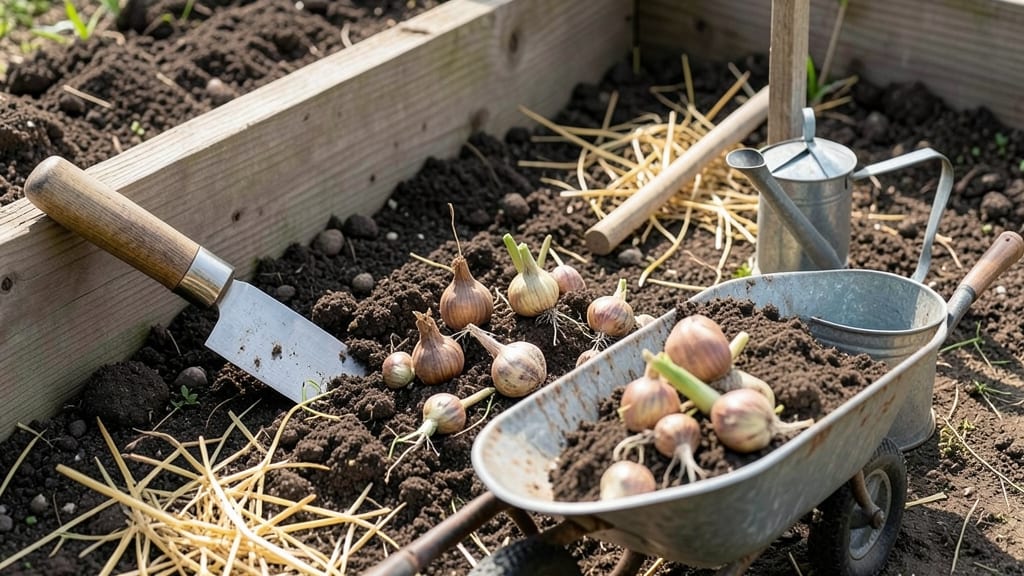
Phoenix bulb planting calendar: exact months to avoid heat stress
Phoenix’s frost-free winters and intense heat flip traditional bulb planting rules on their head. Unlike cooler climates, you won’t need to worry about frost damage—but heat stress and bolting become your biggest enemies.
The key is planting when soil temperatures stay below 70°F and days are shorter, giving bulbs time to root before summer’s relentless sun.
Most spring-blooming bulbs (like daffodils and tulips) need 6-8 weeks to establish roots before Arizona’s heat ramps up. That means your planting window is tight: late October through early February. Fall-planted bulbs (like crocuses) have a slightly wider margin, but even they’ll struggle if planted too late.
Critical warning: Never plant bulbs in Phoenix’s summer months (June-August). The 100°F+ soil will cook them alive before they sprout. Even September plantings risk bolting—wait until late October when daytime highs drop below 85°F.
Here’s the golden rule for Phoenix: Plant when nighttime temps consistently stay below 65°F. This usually aligns with November-December for most varieties, but agave and desert lily bulbs can handle slightly later plantings due to their native drought tolerance.
🌱 Phoenix Bulb Planting Timeline
| Bulb Type | Ideal Planting Window | Soil Temp Goal | Bloom Season | Phoenix Risk |
|---|---|---|---|---|
| Spring-Blooming (Daffodils, Tulips) | Late Oct - Early Feb | 55-65°F | Feb-Apr | High bolting if planted after Jan |
| Fall-Blooming (Crocus, Sternbergia) | Sep-Oct | 60-70°F | Nov-Jan | Moderate (needs shade) |
| Desert-Native (Agave, Desert Lily) | Nov-Dec | 65-75°F | Feb-Apr | Low (heat-adapted) |
| Summer-Blooming (Rain Lilies) | Jun-Jul (after monsoons) | 80-90°F | Aug-Sep | None (monsoon-dependent) |
Microclimates in Phoenix can shift planting windows by 2-4 weeks. Shaded areas (like under palo verde trees) stay cooler longer, while full-sun exposures (like desert landscapes) heat up faster. Test your soil with a thermometer—aim for 60-65°F at 6 inches deep before planting.
Pro tip: Mulch heavily (3-4 inches of straw or wood chips) after planting to insulate soil and maintain those critical cooler temps. This buys you 1-2 extra weeks of planting time in borderline months like March for heat-tolerant varieties.
Watch for bolting signs: tall, skinny stems with no flowers or yellowing foliage before blooming. This means your bulbs sensed heat stress and shot up too fast. If you see this in February plantings, move bulbs to shadier spots immediately or they’ll fritz out.
For container gardening, your window shrinks to October-November only. Pots heat up 20-30°F hotter than in-ground soil, so black containers are a no-go—use glazed pots or light-colored ceramic to reflect heat. Place containers on elevated stands to improve airflow.
Remember: Phoenix’s monsoon season (July-August) isn’t a planting time—unless you’re working with rain lily bulbs, which require those sudden downpours to trigger growth. For everything else, wait until after the storms when soil temps drop back down.
5 Pro tips to prevent bolting in Phoenix’s extreme climate
Phoenix’s intense heat can trick bulbs into premature bolting—when they send up flower stalks too early and fail to bloom properly. The key is creating conditions that mimic their natural cooler-season growth patterns.
Start by choosing shaded planting spots under trees or near structures to reduce soil temperatures by 10-15°F during peak summer.
Use mulch blankets made from straw or wood chips to insulate soil. A 3-inch layer can delay heat penetration by 2-3 weeks, giving bulbs time to establish roots before summer arrives. For container-grown bulbs, opt for terracotta pots—they dissipate heat better than plastic and prevent overheating.
Watering strategy is critical: deep soak bulbs once weekly in fall/winter, then taper to bi-weekly in spring. Avoid overhead watering, which can stress foliage and trigger bolting. Instead, use drip irrigation or soaker hoses to deliver moisture directly to roots.
Soil amendments like compost or perlite improve drainage while retaining moisture. Mix in 1 part compost to 3 parts native soil to prevent waterlogging—a common issue in Phoenix’s clay-heavy soils. For extra protection, plant bulbs 6 inches deeper than recommended to shield them from surface heat.
Timing matters too: plant fall-blooming bulbs in late August and spring-blooming bulbs by mid-November. This gives roots time to establish before summer’s heat peaks. For high-risk areas, consider shade cloth (30-50%) during the hottest months to protect emerging foliage.
Finally, monitor bulbs for early sprouting—a red flag for bolting. If you spot shoots before December 1st, provide extra shade immediately. With these adjustments, your bulbs will thrive in Phoenix’s climate instead of bolting prematurely.