
Plants
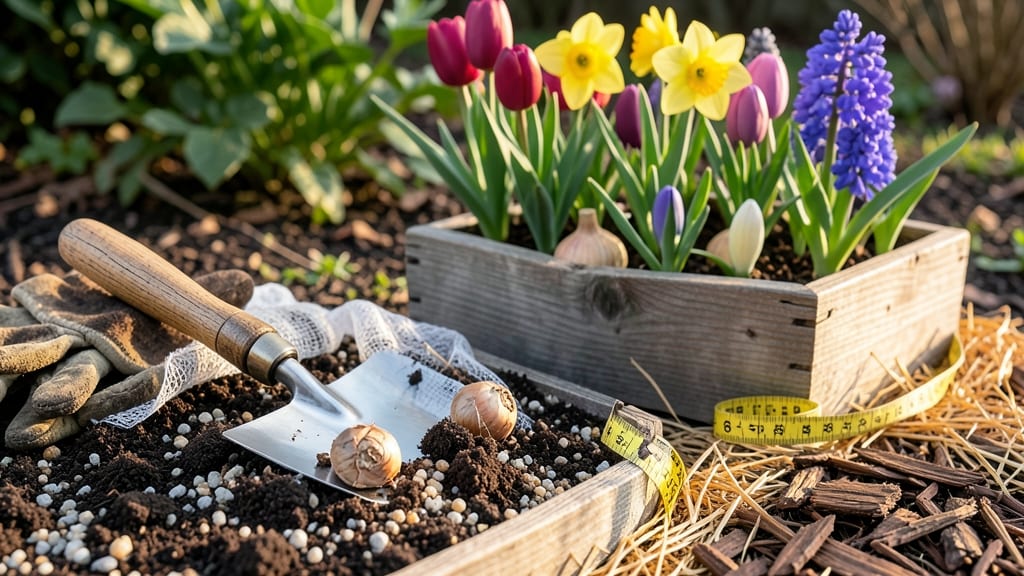
Timing your bulbs (General) 🌷 planting in Utah isn’t just about the calendar—it’s about surviving the state’s dramatic swings from 90°F desert heat to -10°F mountain frosts. Plant too early, and your tulips might rot before winter; too late, and they’ll freeze solid.
But with the right deadlines, you can turn Utah’s unpredictable climate into your secret weapon for vibrant spring blooms that neighbors will envy.
Let’s cut through the guesswork. Whether you’re in Salt Lake City’s urban heat islands or St. George’s high-desert valleys, I’ll show you exactly when to dig in your 🌷 bulbs (General)—down to the week—for foolproof results.
Spoiler: It’s not just “fall” or “spring.” Elevation, soil, and even your microclimate’s last frost date change everything.
You’ll also learn how to spot the 5 most common Utah planting mistakes (yes, even experienced gardeners fall for these) and how to adjust for late frosts or early snow. No more wasted bulbs or empty garden beds—just confident planting that guarantees blooms.
Ready to master Utah’s bulb-planting puzzle? Let’s dive into the zone-specific deadlines and tricks that’ll make your garden the talk of the neighborhood—without the stress.
Utah’s bulb planting calendar by USDA zone and elevation
Utah’s diverse elevations and USDA zones 5a-7b mean your neighbor’s perfect planting time might spell disaster for your garden. For example, St. George’s zone 8a allows late fall planting, while Cache Valley’s zone 5b demands early action.
Let’s break down the month-by-month windows for each zone and how elevation shifts your deadlines.
Most Utah gardeners plant bulbs in fall (September-October) or early spring (March-April), but timing varies by 1-2 weeks depending on your location. High-desert areas like Moab (zone 7a) can plant later than mountain valleys like Park City (zone 5b).
Always check your last average frost date—typically mid-April in valleys and late May in high desert.
Here’s your zone-by-zone planting guide, including bulb-specific tips for tulips, daffodils, and alliums. Remember: Cooler zones need earlier planting, while warmer microclimates (like urban Salt Lake City) can wait slightly longer.
🌱
| USDA Zone | Elevation Range | Fall Planting Window | Spring Planting Window | Key Bulbs to Plant |
|---|---|---|---|---|
| 5a-5b (Park City, Logan) | 4,000–6,500 ft | Mid-September to early October | Early March to mid-April | Tulips, Daffodils, Hyacinths |
| 6a-6b (Salt Lake City, Provo) | 4,200–5,000 ft | Late September to mid-October | Mid-March to early May | Alliums, Crocus, Snowdrops |
| 7a-7b (St. George, Cedar City) | 2,800–4,200 ft | October to early November | Late March to June | Lilies, Dahlias, Summer-Blooming Bulbs |
Pro Tip: Adjust for microclimates—e.g., urban areas (like Salt Lake City) stay warmer and can plant 1-2 weeks later than rural zones.
For fall planting, aim to get bulbs in the ground 6-8 weeks before the first frost. In zone 5b, that’s mid-September, while zone 7b can wait until early November. Use a soil thermometer—bulbs need 60°F soil to root properly.
Spring planting is trickier in Utah’s variable climates. Wait until the soil is workable (40°F+) and the last frost date has passed. In mountain valleys, this is often mid-April, but high-desert areas can plant as late as early June for summer-blooming bulbs like dahlias.
🌿
Not all bulbs thrive in Utah’s alkaline soils. Amend your soil with compost or peat moss before planting, especially for tulips, which hate soggy conditions. Daffodils, however, tolerate Utah’s soil better and are a low-maintenance choice for beginners.
Water newly planted bulbs
How Utah’s microclimates affect bulb survival (and how to adapt)
Utah’s geography is a gardener’s puzzle—one mountain valley can have 30°F warmer soil than another just 20 miles away. That’s why your neighbor’s tulips thrive in St. George while yours rot in Park City.
The key? Understanding how elevation, urban heat, and desert microclimates rewrite the planting rules for your specific patch of earth.
Let’s break it down: Salt Lake City’s urban heat islands can push frost dates 2-3 weeks later than nearby suburbs, while high-desert areas like Moab might freeze 4 weeks earlier than the official USDA zone suggests.
Even south-facing slopes warm up faster in spring, giving you an extra window for early planting.
Here’s how to adapt: Adjust planting dates by 2-4 weeks based on your microclimate. For example, St. George gardeners can plant daffodils in November, while Cache Valley should wait until mid-October. And if you’re in a cold mountain pocket, add extra mulch (4-6 inches) to insulate bulbs.
🌡️ Utah Microclimate Planting Adjustments
| Microclimate | USDA Zone | Typical Frost Date | Planting Window | Key Adjustment |
|---|---|---|---|---|
| Urban Heat Islands (SLC, Provo) | Zone 6b-7a | Mid-October to late November | Late September - early November | Plant 2 weeks later than zone suggests |
| High Desert (St. George, Cedar City) | Zone 7a-8a | Early October - early November | Early September - mid-October | Plant 4 weeks earlier for fall bloomers |
| Mountain Valleys (Park City, Ogden) | Zone 5a-6a | Late September - early October | Mid-August - mid-September | Use extra mulch (6+ inches) for insulation |
| South-Facing Slopes | Zone 6a-7b (varies) | 1-2 weeks earlier than flatland | Extend spring planting by 2 weeks | Plant shallow (2x bulb height) for faster warming |
Don’t overlook soil prep—Utah’s alkaline soils can stress bulbs. Amend with compost or peat moss to improve drainage, especially in clay-heavy areas like northern Utah. For sandy desert soils, mix in organic matter to retain moisture.
Pro tip: Check your soil temperature before planting. Bulbs need soil 50-60°F for root growth. Use a soil thermometer—if it’s below 50°F, wait a week or two. In high-desert areas, this might mean delaying until late October instead of September.
Finally, watering matters. Utah’s dry winds can dry out newly planted bulbs. Give them a deep watering after planting and again when shoots appear in spring. In St. George’s heat, mulch with gravel to reduce evaporation while keeping roots cool.