
Plants
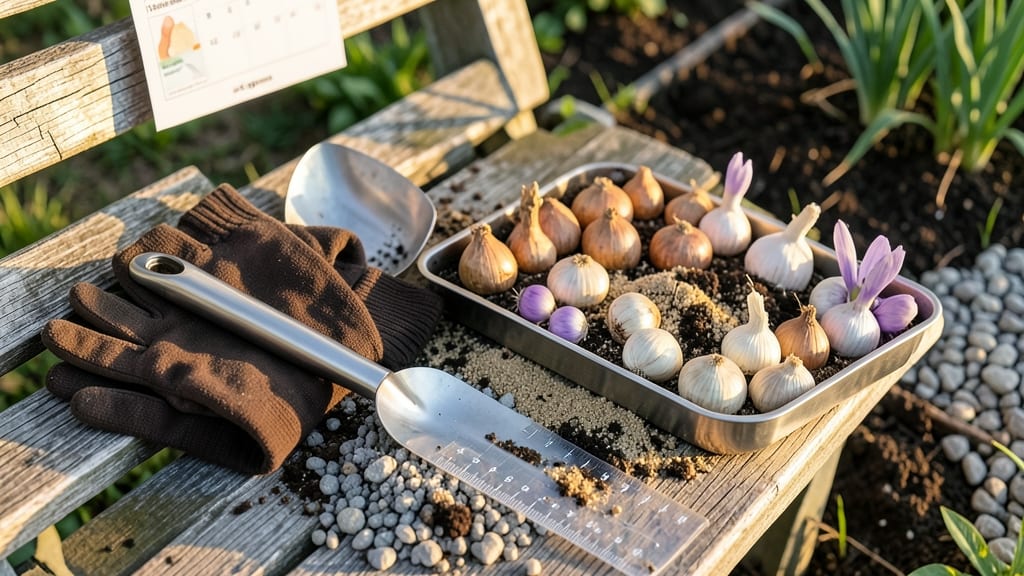
Knowing when to plant bulbs in Zone 6 isn’t just about picking a month—it’s about matching their chill-hour needs for those showstopping blooms you dream of. Too early, and they’ll rot; too late, and they might never wake up.
The trick lies in understanding your bulbs’ chill-hour requirements and aligning them with Zone 6’s October-November window.
Think of bulbs like tiny time capsules: they need 6-10 weeks of cool soil to trigger flowering. In Zone 6, that means planting tulips and daffodils by mid-October, while snowdrops and crocuses can wait until November.
But here’s the catch—soil temperature matters more than calendar dates. If your ground stays warm, you might need to delay planting until the soil dips below 60°F.
This isn’t just theory—it’s how you guarantee perfect blooms next spring. I’ll show you exactly how to time your planting, adjust for Zone 6’s microclimates, and even troubleshoot common mistakes.
Whether you’re a first-timer or a seasoned gardener, these steps will help you avoid the heartbreak of missed blooms and wasted bulbs.
Ready to transform your garden? Let’s dive into the science and secrets of planting bulbs so they thrive—and bloom—like never before. Your future spring display starts with the right timing today.
Zone 6 bulb planting calendar by chill-hour requirements
Planting bulbs in Zone 6 requires precision—especially when matching chill hours (the number of hours below 40°F a bulb needs to bloom). Most spring-blooming bulbs need 10-15 hours of chill, while some like snowdrops or crocus thrive with 30+ hours.
Timing isn’t just about the calendar; it’s about your garden’s microclimate and bulb type.
In Zone 6, the ideal window for fall planting is 6-8 weeks before the first hard frost (usually mid-October to early November). This gives bulbs time to root before winter dormancy. For spring bloomers, plant in late winter (February-March) once soil temperatures rise above 40°F.
Miss the fall window? Don’t panic—some bulbs like tulips and hyacinths can handle late fall planting (even December), but they may bloom later or less vigorously. Daffodils, however, are more forgiving and can even be planted in early spring.
Here’s how chill-hour needs dictate your planting schedule in Zone 6:
Planting too early (like August) can trigger premature sprouting, while planting too late (after December) risks bulbs rotting in cold, wet soil. For Zone 6’s variable climate, aim for mid-October as your sweet spot—it balances root establishment and frost protection.
Pro tip: Use a soil thermometer to check when temps drop to 50-60°F—this is your cue for fall planting. For spring planting, wait until soil is workable (around March in most of Zone 6).
If you’re in a warmer microclimate (like urban areas), plant earlier (September-October) to avoid overheating. Conversely, in cooler zones, delay until late October to prevent frost damage.
Remember: Bulbs need time to root before winter sets in. A 6-week head start ensures they’re established enough to survive Zone 6’s freezing temps and reward you with bold, early blooms next spring. 🌱
Zone 6 bulb planting calendar by chill-hour requirements
Planting bulbs in Zone 6 hinges on their chill-hour needs, not just calendar dates. Most bulbs need 6-10 weeks of soil temps below 50°F to trigger blooming. In Zone 6, that means October-November is prime time—but timing varies by bulb type.
For example, tulips and daffodils thrive with 10-15 hours of chill, while snowdrops and crocuses need 30+ hours.
If you plant too early, bulbs may rot in warm soil; too late, and they won’t get enough chill. Zone 6’s first hard frost (usually mid-October) is your cue to start.
Aim to plant 4-6 weeks before frost—so mid-September for early bloomers like hyacinths and late October for alliums.
Here’s how chill hours break down for popular bulbs in Zone 6:
| Bulb Type | Chill-Hour Needs | Zone 6 Planting Window | Bloom Time |
|---|---|---|---|
| Tulips | 10-15 hours | Mid-October | April-May |
| Daffodils | 10-15 hours | Late October | March-April |
| Hyacinths | 15-20 hours | Early October | April-May |
| Snowdrops | 30+ hours | November | February-March |
| Alliums | 10-15 hours | Late October | May-June |
Pro tip: Use a soil thermometer to confirm temps are below 60°F before planting. If your soil stays warm, delay until late October—cold soil is non-negotiable for bulb success.
Early planters in Zone 6 often adjust by planting tulips and daffodils in September if soil cools early, but this risks rot if frost doesn’t arrive soon.
Spring planting is an option for warm-climate bulbs like caladiums, but most Zone 6 favorites need fall’s chill. If you miss the fall window, hold off until March—but expect smaller blooms, as they won’t get full chill exposure.
For perfect bloom timing, align your planting with your desired spring display. Plant tulips in October for April blooms, or alliums in November for late-summer color. The key? Consistency in chill hours—not just dates. 🌱