
Plants
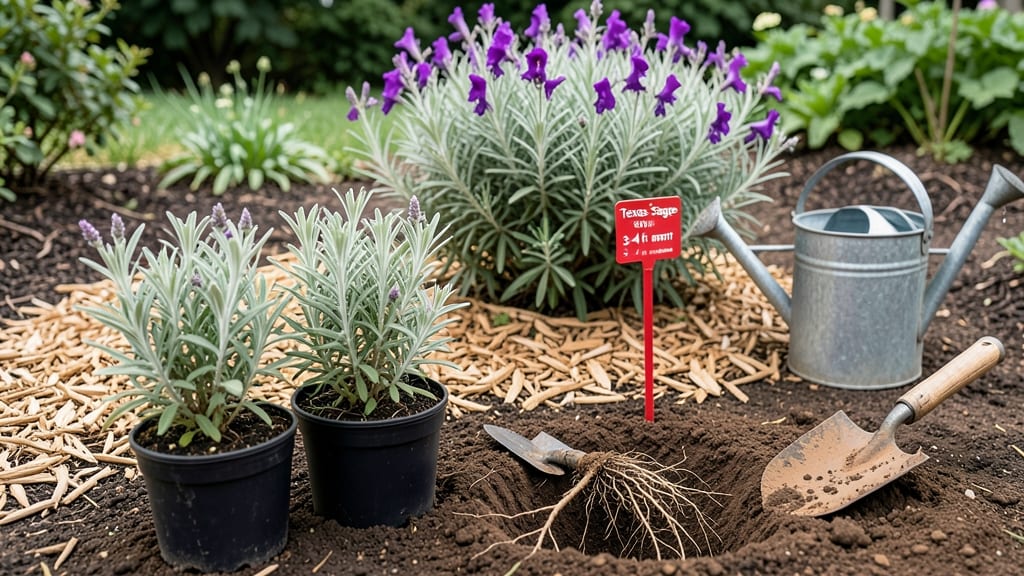
Timing your when to plant bushes in Texas can mean the difference between thriving 🌿 shrubs and struggling transplants that never take root.
Texas’s extreme heat and unpredictable weather make this a tricky balance—plant too early, and your bushes will fry; too late, and winter’s chill can stunt their growth before they even get started.
But here’s the good news: with the right strategy, you can plant bushes in Texas with confidence, whether you’re in Zone 8a’s cooler north or Zone 11’s balmy south. The secret lies in understanding the two ideal windows—fall and spring—and how to prep your soil and watering schedule for each.
Let’s break down the exact months to plant, plus pro tips to avoid the most common mistakes that kill bushes before they even bloom.
Fall planting (September–November) gives bushes a head start on root growth before winter, while spring (February–March) offers a gentler transition into Texas’s scorching summers.
We’ll cover which types of shrubs—like drought-resistant Texas Sage or fragrant Crape Myrtle—thrive best in each season, so you can pick the perfect variety for your yard’s climate and your lifestyle.
Ready to transform your landscape with lush, low-stress bushes? Let’s dive into the heat-zone calendar and the simple steps to ensure your new plants not only survive but flourish—no matter where in Texas you live.
Texas heat-Zone planting calendar: best months by bush type
Texas’ diverse climate zones—from Zone 8a in the Panhandle to Zone 11 in South Texas—mean planting times vary wildly. In North Texas (Zones 8a-9a), aim for fall (September–November) or early spring (February–March) to avoid summer’s brutal heat.
Meanwhile, South Texas (Zones 10a-11) can plant year-round, but September–October and February–March still offer the best success rates. The key? Beat the peak heat and avoid frost.
Evergreens like Yaupon Holly and Texas Sage thrive when planted in fall, giving roots time to establish before winter. Flowering bushes such as Crape Myrtle and Wax Myrtle prefer spring planting to bloom vibrantly by summer.
Drought-tolerant natives like Texas Mountain Laurel adapt well to fall or spring, but early fall is ideal for container-grown plants.
Here’s your Texas Heat-Zone Planting Calendar broken down by bush type and climate zone, ensuring zero transplant shock.
| Bush Type | Best Planting Months | Climate Zones | Key Tips |
|---|---|---|---|
| Evergreens (e.g., Yaupon Holly) | September–November | 8a–10a | Plant before first frost; mulch heavily. |
| Flowering (e.g., Crape Myrtle) | February–March | 8a–11 | Avoid summer heat; water deeply weekly. |
| Drought-Tolerant (e.g., Texas Sage) | September–October or March–April | 9a–11 | Well-draining soil; minimal water after establishment. |
| Container-Grown (e.g., Boxwood) | Year-round (best in fall) | All zones | Acclimate plants to outdoor temps 1 week prior. |
| Native Shrubs (e.g., Texas Mountain Laurel) | Fall or early spring | 8a–10a | Native soil mix; no fertilizer needed. |
For North Texas (Zones 8a-9a), the last frost date (typically March 15) signals the start of spring planting. In South Texas (Zones 10a-11), where frost is rare, focus on September–October to beat the summer heatwave.
Pro tip: Container plants can be planted year-round, but fall gives them the best head start for winter.
Evergreens like Yaupon Holly and Wax Myrtle are fall-planting champions because they establish roots before winter dormancy. Flowering bushes such as Crape Myrtle and Abelia need spring planting to bloom on schedule.
Drought-resistant varieties like Texas Sage and Lantana thrive when planted in early fall or spring, as they hate soggy soil.
If you’re in Zone 11, where frost is nonexistent, September–October is your sweet spot—cool temps and moderate humidity reduce transplant stress. For Zone 8a, wait until after the last frost (March 15) to plant heat-sensitive varieties like Camellia or Gardenia.
Always check your local frost dates using the Texas A&M AgriLife Extension map for precision.
Mulching with 2–3 inches of organic mulch (like pine straw or shredded bark) right after planting retains moisture and regulates soil temperature—a game-changer in Texas’ extreme heat.
For container-grown bushes, harden them off for 7–10 days before transplanting to avoid shock. Water deeply immediately after planting and repeat every 5–7 days until roots establish
How to avoid common Texas planting mistakes that kill bushes
Texas’s brutal summer heat and heavy clay soil make planting bushes a high-stakes game. One wrong move—like planting too early or ignoring soil prep—and your new shrubs could wilt or die before they even take root.
I’ve seen it happen too many times, but the good news? These mistakes are easily avoidable with the right knowledge.
First, never plant in peak summer (June–August). The intense heat stresses young roots, and even drought-tolerant bushes like Texas Sage or Crape Myrtle struggle to establish. Instead, focus on fall (September–November) or early spring (February–March), when temperatures are milder and rainfall is more consistent.
Texas clay soil is another silent killer. If you skip amending it with compost or sand, water drains poorly, leading to root rot. Before planting, test your soil’s drainage—stick a shovel in and fill the hole with water. If it doesn’t drain within 30 minutes, mix in organic matter like peat moss or aged compost.
Overwatering new transplants is a top mistake. Texas heat evaporates moisture fast, but soggy soil suffocates roots. Water deeply once a week (or every 5–7 days) and focus on the root zone, not the leaves. Use a soaker hose or drip irrigation to keep water at the base.
Pro Tip: Mulch heavily (3–4 inches) with pine straw or shredded bark to lock in moisture and regulate soil temperature. This is non-negotiable in Texas!
Another critical error? Planting too deep. Burying the root flare (where roots meet the stem) can strangle your bush. Always plant so the top of the root ball sits just above soil level.
For container-grown bushes, remove the pot and check the root flare before backfilling with amended soil.
Don’t forget shade cloth for young plants. If you must plant in late spring, provide 30–50% shade for the first 2–3 weeks to ease them into the sun.
A simple floating row cover or even a lightweight tarp works wonders. Skipping this step often leads to sunburned leaves and stunted growth.
Finally, avoid fertilizing new bushes in the first 6–8 weeks. Fresh roots need time to adjust, and fertilizer burns can shock the plant. Wait until you see new growth before applying a balanced 10-10-10 fertilizer in early spring.
And always water before fertilizing to prevent salt buildup in the soil.
By steering clear of these Texas-specific pitfalls, your bushes will thrive with minimal stress. Start with the right timing, prep your soil, and give them a fighting chance against the heat—your garden will thank you with vibrant, healthy growth all season long. 🌿