
Plants
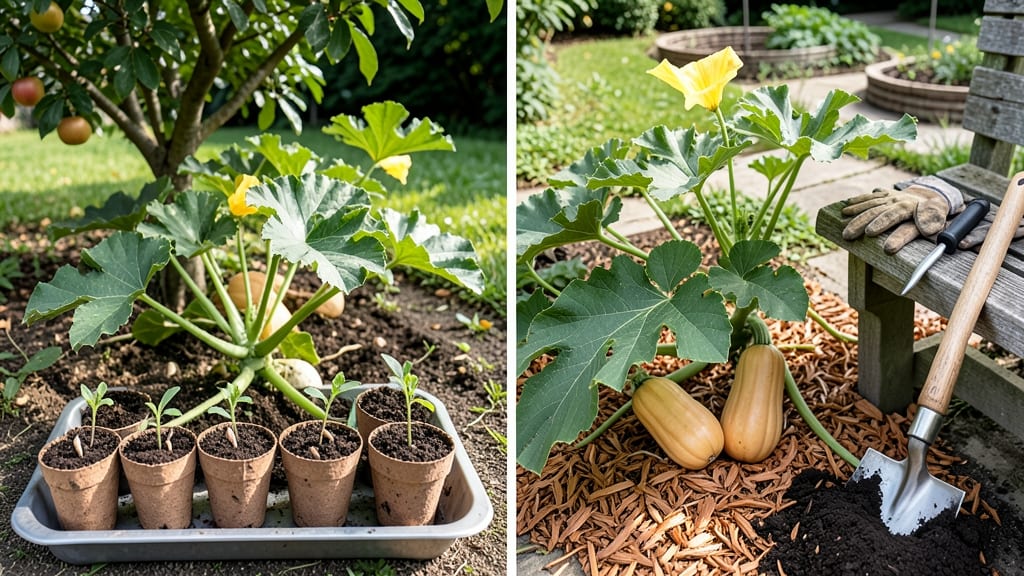
If you’ve ever planted butternut squash 🎃 in Florida only to watch it bolt into flowers before producing a single fruit, you’re not alone. The perfect planting window isn’t just about months—it’s about heat zones, soil temps, and even your county’s microclimate quirks that can make or break your harvest.
Florida’s frost-free growing season means you’ve got flexibility, but timing still matters. Plant too early, and your squash will race to flower before maturing. Too late, and you’ll miss the sweet spot for a fall harvest.
The key is knowing when soil hits 60°F+ and how to stagger plantings for continuous production.
I’ll break down the exact months to start seeds or transplant seedlings in your Florida zone, plus how to adjust for urban heat islands or rural shade. No more wasted effort—just a bumper crop of sweet, nutty butternut squash by October.
Ready to turn your Florida garden into a squash powerhouse? Let’s dive into the science-backed schedule that actually works for your region.
Florida butternut squash planting calendar by heat Zone: exact months to avoid bolting
Florida’s 11 heat zones (A1–B3) create wildly different planting conditions—what works in Miami (Zone 11) can fail in Jacksonville (Zone 9a). The key? Planting when soil temps hit 60°F+ and avoiding peak summer heat, which triggers bolting (premature flowering).
Below, I’ve mapped out the ideal windows for each zone, including adjustments for urban heat islands and coastal breezes.
Butternut squash thrives in Florida’s long growing season, but timing is everything. Too early? Cold soil stunts roots. Too late? Bolting ruins yields. My strategy? Staggered planting—start in March for fall harvests, then again in September for winter squash.
Let’s break it down by zone to avoid wasted effort.
🌱 Did You Know? Florida’s coastal areas (like Fort Myers) can plant 2 weeks earlier than inland zones due to moderating ocean breezes. Use this comparison table to find your exact window.
For direct sowing, wait until soil temps consistently stay above 60°F—use a soil thermometer to check. In Zone 9a/9b, this usually means after March 15, while Zone 10+ gardeners can start as early as February.
Pro tip: Black plastic mulch warms soil 5–10°F faster, letting you plant 2 weeks earlier.
If you’re transplanting seedlings, harden them off for 7–10 days before moving to the garden. In North Florida (Zones 8a–9a), transplant in late March
5 Critical signs your Florida butternut squash is stressed (and how to fix it)
Even with perfect planting timing, Florida’s heat and humidity can stress butternut squash 🎃. The first sign is often yellowing leaves, which usually means either overwatering or nutrient deficiency. Check soil moisture—if it’s soggy, reduce watering. If dry, add compost tea or a balanced fertilizer like 10-10-10.
Next, watch for powdery mildew—a white, dusty coating on leaves. This thrives in Florida’s humid air. Prune affected leaves immediately and improve airflow by spacing plants 3-6 feet apart. A preventive spray of neem oil every 2 weeks can save your crop.
Stunted growth or small, misshapen squash? Your plants may be underwatered or lacking pollinators. Butternut squash needs 1-2 inches of water weekly—deep water in the morning to prevent fungal issues. Hand-pollinate flowers with a paintbrush if bees are scarce.
Crispy, brown leaf edges signal heat stress or low humidity. Mulch with straw or grass clippings to retain moisture and shade tender vines with floating row covers during 100°F+ days. Avoid plastic mulch—it traps too much heat.
Finally, wilted vines could mean root rot from overwatering or squash vine borers. Check roots for mushy spots and remove infested plants. Rotate crops yearly and use row covers to block borer moths. Healthy soil prevents 80% of pests!
Pro tip: Monitor soil temp with a thermometer—ideal range is 60-85°F. If it spikes above 90°F, provide afternoon shade to avoid stress. With these fixes, your butternut squash will thrive all season long! 🌱