
Plants
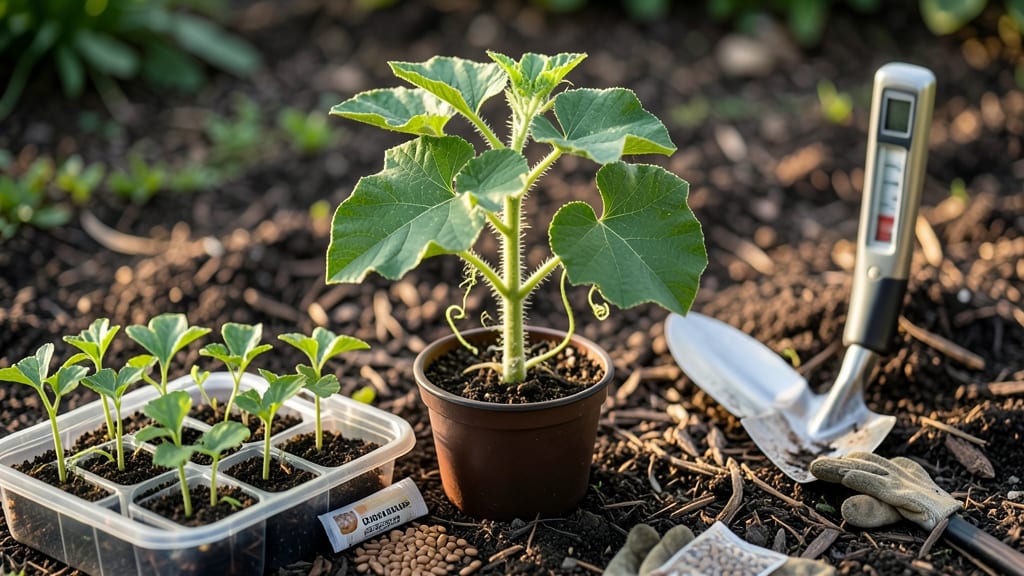
Planting cantaloupe in Arizona isn’t just about timing—it’s about outsmarting the desert’s brutal heat before your vines bolt into oblivion. With soil temperatures soaring by March, the 2-week window between warm soil and scorching days makes all the difference between sweet success and bitter failure.
I’ve grown cantaloupes in the Valley of the Sun for years, and the key isn’t just waiting for spring—it’s reading the cues. Too early, and your seeds rot; too late, and you’re racing against monsoon storms.
Let me show you the exact soil temperature triggers and planting dates that turn Arizona’s challenges into your garden’s greatest advantage.
From Phoenix’s Low Desert to Flagstaff’s cooler highlands, each microclimate demands a different strategy. We’ll cover how to prep your soil, choose heat-resistant varieties, and use mulch to keep roots cool when daytime temps flirt with 110°F. Skip the guesswork—this is your battle plan for cantaloupe perfection.
Whether you’re a first-time gardener or a seasoned desert grower, these insights will help you avoid the 3 biggest mistakes that sabotage Arizona cantaloupe crops. Ready to turn your backyard into a sun-ripened melon patch? Let’s get started.
Optimal Arizona cantaloupe planting windows by microclimate
Arizona’s diverse elevations create three distinct planting zones for cantaloupe, each with unique deadlines. The Low Desert (Phoenix/Tucson) has the longest growing season, while the High Desert (Flagstaff) faces shorter summers. Even transitional areas like Prescott or Yuma require precise timing to avoid heat stress or premature bolting.
Your planting window hinges on soil temperature, not air temperature. Cantaloupe seeds need soil at 70°F+ to germinate—cold soil causes rot. In Arizona, this typically aligns with March-April in the Low Desert and May in the High Desert. Always check with a soil thermometer before planting.
Here’s how to align your planting with Arizona’s microclimates for maximum success:
For Low Desert gardeners, aim for March 15-April 15 to beat the summer heat. Use shade cloth if planting early to prevent bolting. In the High Desert, wait until after June 1—earlier plantings risk stunted growth from lingering cool nights.
Extend your harvest by planting successive crops every 2 weeks in the Low Desert. In cooler zones, focus on heat-tolerant varieties like ‘Hale’s Best’ or ‘Ambrosia’ to push harvests into September. Always account for 90-day maturity when scheduling.
Pro tip: Use black plastic mulch to warm soil faster in transitional zones. This raises soil temps by 5-10°F, accelerating germination and growth. Just
Missed the spring window? Try fall planting in the Low Desert (August-September) for a late harvest. However, High Desert fall plantings rarely succeed—summers are too short. Always check local frost dates and adjust for 10°F safety margins.
Never plant cantaloupe before April 1 in the Low Desert or May 15 in the High Desert—cold soil and nighttime chills will kill seedlings. Use a seedling heat mat if you’re impatient, but soil warmth is non-negotiable for cantaloupe success.
🌱
How to adjust planting for Arizona’s unpredictable heat spikes
Arizona’s summer heat isn’t just hot—it’s unpredictable. One day you’re battling 115°F shade temperatures, the next you’re dealing with sudden monsoon downpours. Cantaloupes thrive in warmth but bolt in extreme heat, so adjusting your planting strategy is key.
The right techniques can extend your growing season by 4-6 weeks, turning your garden into a melon powerhouse.
First, focus on heat-tolerant varieties like ‘Hale’s Best’ or ‘Ambrosia’. These varieties handle 100°F+ days better than standard cantaloupes, reducing the risk of premature bolting. Pair them with shade cloth (30-50% coverage) during the hottest afternoons to protect young plants while still allowing 6+ hours of morning sun.
- ✅ Use black plastic mulch to raise soil temps by 5-10°F and retain moisture. This is non-negotiable in Arizona’s Low Desert.
- ✅ Water deeply in the morning (1-2 inches per week) to avoid fungal diseases. Never water at night—this invites powdery mildew.
- ✅ Apply 2-3 inches of organic mulch (straw or wood chips) to keep roots cool. This reduces soil temps by 10-15°F during peak heat.
- ✅ Plant in raised beds with 50% compost for better drainage and heat retention. Avoid compacted desert soil.
- ✅ Choose late-morning planting (10 AM-12 PM) to avoid midday heat stress on seedlings. Transplant on overcast days if possible.
For Low Desert gardeners, start seedlings indoors under grow lights 3-4 weeks before your target planting date. Harden them off with shade cloth before transplanting to avoid heat shock.
In the High Desert, focus on early-maturing varieties like ‘Sugar Bush’ to finish before September’s first frost risk.
Monitor your garden’s soil moisture with a moisture meter. Cantaloupes need consistent moisture but hate soggy roots. In 100°F+ heat, water every 2-3 days at the base of plants—avoid wetting leaves to prevent sun scald. A drip irrigation system is ideal for Arizona’s erratic rainfall.
If you’re planting in July or August for a fall harvest, use row covers during the day to block intense sunlight while allowing airflow. Remove covers in the evening to prevent heat buildup. This “heat management” trick can push harvests into October in the Low Desert.
Pro tip: Companion plant cantaloupes with marigolds to deter pests like cucumber beetles, which thrive in Arizona’s heat. Avoid planting near potatoes or tomatoes—they compete for nutrients and attract the same pests. 🌿