
Plants
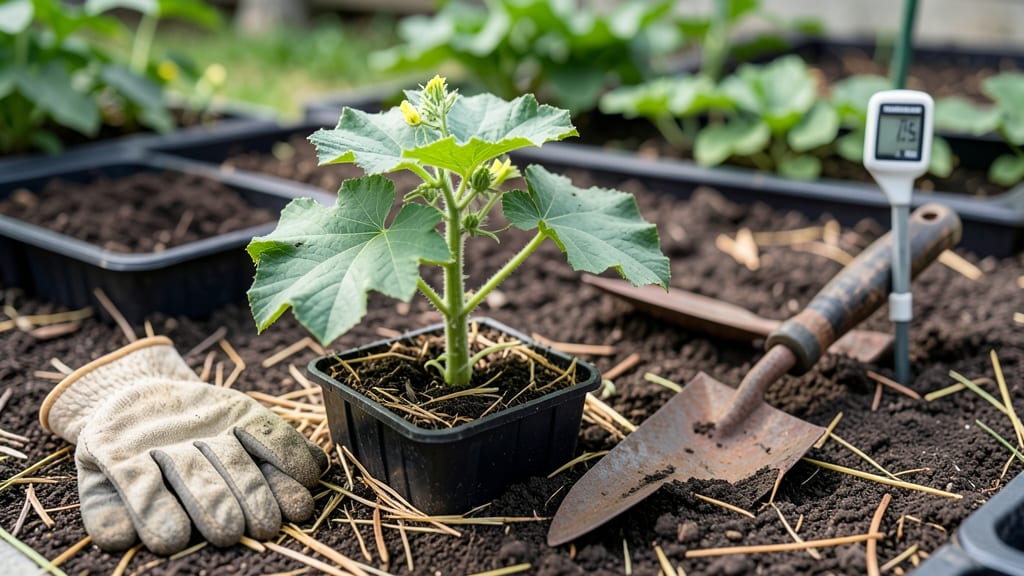
Timing your cantaloupe planting in Tennessee can make the difference between sweet, juicy 🍈 harvests and bitter disappointment. The key to success lies in waiting until after the last frost—typically between April 15 and May 15—when soil temperatures consistently reach 70°F or higher.
Why does this matter? Planting too early exposes delicate cantaloupe seedlings to frost damage, while waiting too long shortens the growing season, leaving you with fewer ripe melons. Tennessee's USDA Zones 6a-7b offer a broad range of microclimates, so knowing your specific county's frost-free averages is crucial for zero-bolt success.
In this guide, I'll break down the exact planting windows for East Tennessee's cooler mountain regions versus West Tennessee's warmer lowlands. You'll learn how to adjust for your local climate, including soil warming techniques that can shave weeks off your growing season.
Whether you're a first-time gardener or a seasoned pro, these science-backed deadlines will help you avoid common mistakes like premature flowering or stunted vines. Let's get your cantaloupe off to the perfect start!
Tennessee’s cantaloupe planting zones by county: frost-free deadlines to Avoid bolting
Tennessee’s diverse climate—from the cool Great Smoky Mountains to the hot Memphis Delta—means cantaloupe planting deadlines vary by 10-14 days across regions. USDA Zones 6b-7b dominate the state, but microclimates create critical timing differences.
Use these 2023 frost averages to align your planting with local conditions and prevent premature bolting (when plants flower too early).
Most Tennessee gardeners plant cantaloupe after April 15, but this shifts 2 weeks earlier in West Tennessee (e.g., Nashville) and 2 weeks later in East Tennessee (e.g., Knoxville). Soil temperature is your best guide—wait until it hits 70°F+ at 4-inch depth.
A soil thermometer costs $10 and saves months of frustration.
Here’s your county-by-region breakdown of last frost dates and ideal planting windows. Mountain regions (e.g., Sevier, Sullivan) often see frost until April 15-30, while Midstate cities (e.g., Nashville, Chattanooga) typically hit April 1-15. West Tennessee (e.g., Shelby, Fayette) averages March 20-April 5 for last frost.
🌱
| Region | Counties | Last Frost (Avg.) | Plant Window | Soil Temp Goal |
|---|---|---|---|---|
| East Tennessee (USDA 6b) | Sevier, Sullivan, Knox, Carter | April 15–May 1 | May 1–15 | 70°F+ |
| Midstate (USDA 7a) | Davidson, Rutherford, Wilson, Williamson | April 1–15 | April 15–May 1 | 70°F+ |
| West Tennessee (USDA 7b) | Shelby, Fayette, Tipton, Chester | March 20–April 5 | April 1–15 | 70°F+ |
| All Regions | — | — | Harvest Ready: July–September | — |
For East Tennessee’s cooler zones, consider using black plastic mulch or row covers to warm soil faster.
In West Tennessee’s heat, shade cloth (30-50%) can prevent bolt-resistant varieties like ‘Athena’ from overheating. Seedlings should be hardened off for 7-10 days before transplanting—harden them gradually by exposing them to outdoor conditions for 2 hours/day, increasing daily.
If you’re in Zone 6b (e.g., Knoxville), start seeds indoors by March 1 and transplant after May 1. Zone 7b gardeners (e.g., Memphis) can direct-sow seeds March 20-April 15 for a longer harvest window. Pro tip: Mark your calendar for June 15—this is when most Tennessee cantaloupes begin flowering, and you’ll want to ensure 180+ frost-free days remain.
Missed the ideal window? Late plantings (up to June 15) still work if you choose fast-maturing varieties like ‘Hale’s Best’ (75 days) or ‘Ambrosia’ (80 days).
Just be prepared for smaller fruits and prioritize daily watering to compensate for the shorter growing season. Drip irrigation is ideal—it delivers water directly to roots and reduces evaporation.
🌿
Use this 3-step
How to adjust planting for Tennessee’s microclimates: heat tolerance tips for mountain vs. Delta regions
Tennessee’s geography creates dramatic differences in growing conditions—from the cool highlands of the Great Smoky Mountains to the hot, humid Delta regions near Memphis. These variations directly impact when and how you plant cantaloupe.
In cooler mountain areas (USDA Zone 6b), you’ll need to extend your season with soil warming, while lowland zones (Zone 7b) may benefit from shade cloth to prevent bolting.
For East Tennessee’s mountain regions, aim to plant cantaloupe seeds indoors by late March and transplant outdoors after May 15 when nighttime temperatures consistently stay above 55°F. Use black plastic mulch to raise soil temperatures by 5-10°F, creating an earlier planting window.
In West Tennessee’s Delta, you can sow seeds directly outdoors as early as April 1 if you use row covers for frost protection.
🌱
Mountain Regions (Zone 6b)
- ✅ Plant indoors late March
- ✅ Transplant after May 15
- ✅ Use black plastic mulch
- ✅ Extend season with row covers
Delta Regions (Zone 7b)
- ✅ Direct sow April 1
- ✅ Use shade cloth for heat
- ✅ Mulch to retain moisture
- ✅ Avoid late plantings after May 15
Common Mistake
Planting too early in mountains without soil warming leads to frost damage.
Solution
Use greenhouse beds or row covers to protect seedlings.
In Middle Tennessee’s valleys, like Nashville, you’ll find a middle ground where direct sowing can begin April 15 with minimal soil warming. The key is monitoring soil temperatures—cantaloupe seeds won’t germinate below 60°F, and young plants struggle in cool nighttime temps.
Use a soil thermometer to confirm readiness, aiming for 70°F+ before planting.
For all regions, companion planting with basil or marigolds can improve heat tolerance and deter pests. These plants release heat-loving compounds that benefit cantaloupe vines. In hotter Delta areas, provide afternoon shade during peak summer months to prevent bolting—the premature flowering that ruins fruit development.
Remember, cantaloupe needs 180-210 frost-free days to mature. In cooler mountain zones, this means starting seeds 6-8 weeks before your last frost date and using season extenders. In warmer Delta regions, focus on moisture retention and shade management to keep plants productive through Tennessee’s hot, humid summers.
☀️