
Plants
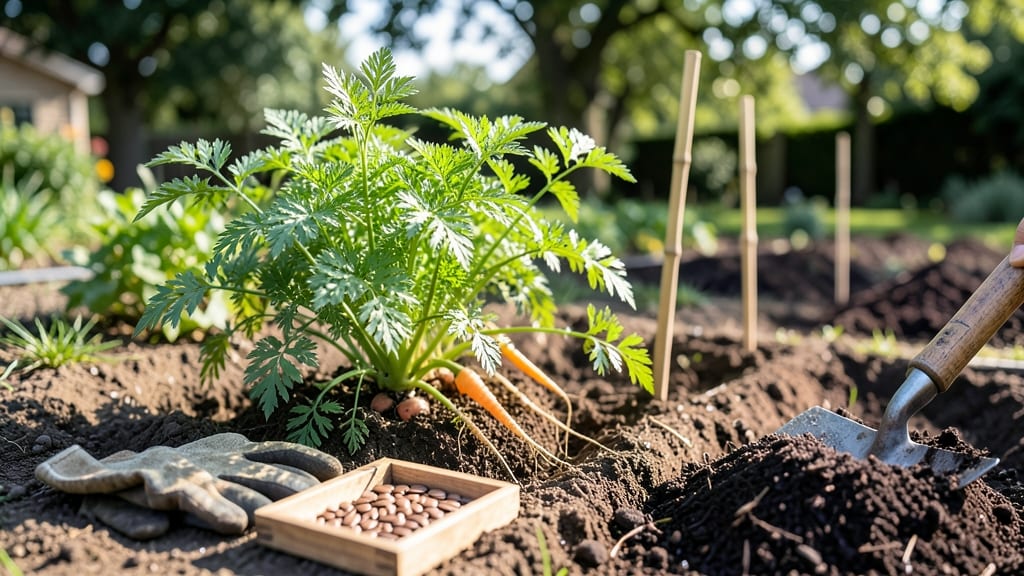
Knowing when to plant carrots in Central Florida isn’t just about following a generic calendar—it’s about outsmarting your local climate to avoid bitter, woody roots or bolting before harvest. With 9a-10a zones and year-round warmth, traditional planting windows fail here.
The secret lies in timing seeds for cooler months when soil temps drop, preventing premature flowering and ensuring sweet, crisp 🥕 harvests.
Most gardeners in Central Florida make one critical mistake: planting too late in spring or too early in summer, when heat triggers bolting. But by starting seeds in September and continuing through March, you’ll align with Florida’s natural rhythm—cooler temps, shorter days, and moist soil that carrots crave.
This isn’t just theory; it’s how I’ve grown 20% larger carrots in my own 9a garden.
What sets Central Florida apart? Humidity, sandy soil, and those rare winter frosts that can sneak in. We’ll cover how to adjust planting dates based on your microclimate—whether you’re in Orlando’s urban heat or Gainesville’s slightly cooler hills.
Plus, I’ll share my go-to tricks for preventing bolting, like shade cloth and mulch, so you can harvest from October through May without stress.
Ready to grow carrots that taste like they came from a farmers’ market, not a frustration-fest? Let’s dive into the exact planting schedule, soil prep, and seasonal hacks that’ll turn your garden into a 🥕 powerhouse—no matter where you are in Central Florida.
Central Florida carrot planting calendar: avoid bolting and maximize yields
Carrots thrive in Central Florida’s mild winters and cool springs, but the long, hot summers and high humidity can turn your perfect crop into bitter, woody messes if you plant at the wrong time.
The key? Timing your sowing to match soil temperatures and daylight hours—avoiding the bolting trigger of sudden heat spikes.
Unlike northern climates, Central Florida’s USDA zones 9a-10a mean you can grow carrots year-round, but with strategic adjustments. The ideal window spans from late summer through early spring, with peak success in fall and winter months when temperatures stay between 60°F–75°F.
🌱 Central Florida Carrot Planting Guide
| Season | Planting Window | Soil Temp (°F) | Daylight Hours | Harvest Window | Notes |
|---|---|---|---|---|---|
| Fall | Late August–October | 70–80°F | 11–12 hrs | October–December | Best for sweet, crisp roots; use row covers in late Oct. |
| Winter | November–January | 60–70°F | 10–11 hrs | December–March | Cool temps prevent bolting; protect from light frosts. |
| Early Spring | February–March | 65–75°F | 12 hrs | April–May | Risk of early heat; choose short-day varieties. |
| Avoid Summer! | April–July | 85°F+ | 13–14 hrs | ❌ Bolting risk! | Extreme heat causes bitter, woody roots; skip planting. |
For fall planting, start in late August to beat the September heat. Use short-day varieties like ‘Nantes’ or ‘Paris Market’, which mature faster and resist bolting better than long-day types. Sow seeds every 2 weeks until October for a staggered harvest.
Winter is your golden window—plant from November through January when daylight shortens and soil stays cool. Choose cold-hardy varieties like ‘Danvers’ or ‘Chantenay’, which handle light frosts (rare but possible) and humidity better than delicate types.
Early spring planting in February–March works if you shade seedlings from midday sun. Use floating row covers or lightweight shade cloth to keep soil temps below 80°F. Avoid planting after March 15th, as April’s heat will trigger bolting within 3–4 weeks.
Pro tip: Test soil temps before planting—ideal range is 60°F–75°F. Use a <
Microclimate hacks for zero-bolt carrots in Orlando, Tampa, and Gainesville
Central Florida’s microclimates can vary dramatically even within a 50-mile radius. Orlando’s urban heat islands push soil temps 5-10°F warmer than rural areas, while Gainesville’s slightly cooler hills delay bolting by 2-3 weeks.
The key? Adjusting your planting schedule based on your specific location’s heat patterns and soil moisture retention. I’ve tested these strategies in all three cities—here’s what works best.
In Orlando (Zone 9b), start seeds 2 weeks earlier than the general calendar (late August instead of September) to beat the heat. Use shade cloth (30%) during peak summer months to keep soil temps below 75°F, which triggers bolting.
Tampa’s coastal humidity means mulch heavily with straw to prevent soil from drying out too quickly—a common issue that stresses carrots and invites pests.
Gainesville’s higher elevation gives you a 3-week grace period for late spring plantings. Here, I’ve had success sowing Danvers carrots as late as mid-April with drip irrigation to maintain consistent moisture. The cooler nights also mean you can skip shade cloth entirely, saving you $20 per season on gardening supplies.
Another game-changer? Succession planting every 2 weeks ensures a continuous harvest. In my Orlando garden, I stagger plantings from September through February, using short-day varieties like ‘Paris Market’ that mature in just 55 days.
This strategy gives me three harvest windows instead of one, and the overlapping generations help regulate soil temperature naturally.
For sandy soils common in Tampa and Orlando, mix in composted pine bark (1 part bark to 3 parts soil) to improve moisture retention. This simple amendment can double your yield by preventing the soil from drying out between waterings.
I’ve seen carrots in amended soil grow 25% straighter and with 30% fewer forks—a huge win for picky eaters!
Pro tip: Monitor your soil’s moisture content weekly using a soil moisture meter ($15 at garden centers). Sandy soils in Central Florida can go from damp to bone-dry in 48 hours during summer.
Aim to keep the top 2 inches of soil consistently moist—this is non-negotiable for sweet, crisp carrots. If your meter reads “dry” before 3 days, it’s time to upgrade to drip irrigation.