
Plants
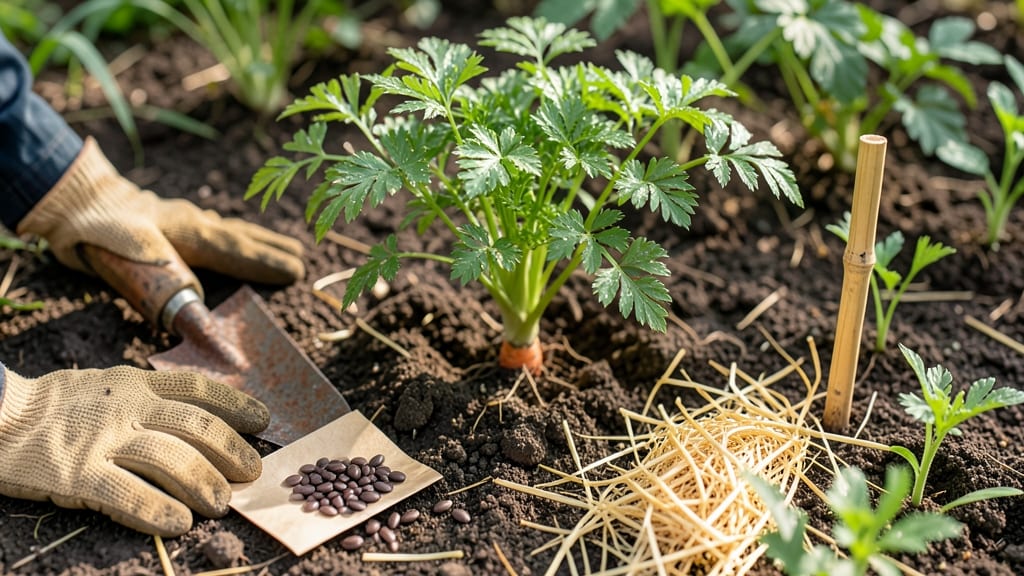
Timing your 🥕 carrot planting in East Tennessee isn’t just about following a calendar—it’s about outsmarting the region’s tricky climate shifts. Plant too early, and you’ll battle unpredictable late frosts; too late, and summer heat sends your carrots bolting before you even taste them.
This is where local knowledge makes all the difference. With USDA zones 6b-7a throwing curveballs like sudden warm spells in March or early October chill, your planting window needs precision.
I’ve grown carrots here for years, and I’ll show you exactly when to start seeds for that perfect balance of early spring harvests and fall’s second chance.
We’re talking two ideal windows—early spring (March-April) and late summer (July-August)—plus how to adjust for your specific microclimate. Whether you’re a first-time gardener or a seasoned grower, these timing secrets will help you avoid the most common mistakes and enjoy sweet, crisp carrots straight from your East Tennessee soil.
Ready to stop guessing and start growing? Let’s dive into the exact months, soil prep tricks, and variety choices that work best in Tennessee’s unique growing conditions—and why your neighbors’ “perfect timing” might actually be setting you up for failure.
Best planting months for carrots in East Tennessee’s climate zones
East Tennessee’s USDA zones 6b-7a create a unique growing window for carrots, where timing directly impacts your harvest’s success. Unlike cooler northern states, our mild winters and warm summers demand precise planting to avoid bolting or pest pressure.
The key is planting when soil temperatures hit 50°F—too early, and seeds rot; too late, and carrots taste bitter.
Most gardeners in East Tennessee focus on two planting windows: early spring and late summer. Spring plantings give you a May-June harvest, while fall plantings yield carrots in September-October.
The average last frost date is March 15, and first frost arrives around November 1, leaving just 180 frost-free days to work with.
Here’s the golden rule for East Tennessee: plant carrots 4-6 weeks before your last frost for spring, or 8-10 weeks before first frost for fall. This timing ensures roots mature before summer heat or winter cold sets in, giving you sweet, crisp harvests without the stress.
🌱
| Planting Window | Ideal Months | Soil Temp | Harvest Window | Key Considerations |
|---|---|---|---|---|
| Early Spring | March-April | 50-60°F | May-June | Avoid bolting; use row covers for cold snaps |
| Late Summer | July-August | 60-70°F | September-October | Shade cloth for high heat; mulch to retain moisture |
| Succession Planting | Every 2-3 weeks | 50-65°F | Continuous harvest | Extend season; thin seedlings for better growth |
For spring plantings, aim to sow seeds in late March once nighttime temperatures stay above 40°F. This gives roots time to establish before summer heat arrives. In my Zone 7a garden, I’ve found that planting by April 15 ensures a harvest before the July heatwave causes bolting.
Fall plantings require more precision. Start seeds indoors in late July and transplant outdoors by mid-August, when soil temperatures drop below 80°F. This timing lets carrots mature before the first frost hits in early November.
I’ve had the best luck with ‘Paris Market’ carrots in fall—they mature in just 60 days and handle cooler temps better than larger varieties.
East Tennessee’s microclimates add another layer of complexity. Gardens in higher elevations (Zone 6b) like Gatlinburg can plant 2 weeks earlier than those in lower valleys (Zone 7a), like Knoxville.
Always check your local frost dates and adjust planting windows accordingly. For example, Chattanooga’s Zone 7b can extend fall plantings into early September.
One common mistake I see is planting carrots too late in spring, thinking “more time = bigger carrots.” But by May 15, the heat and humidity push carrots to bolt—turning sweet roots into bitter, leafy stalks.
Similarly, fall plantings after August 15 risk frost before harvest. Sticking to the 4-6 week rule before last frost is non-negotiable for consistent results.
🌿
To maximize your planting windows, consider succession planting. Sow a new batch of seeds every 2-3 weeks from March through July. This strategy ensures a continuous harvest and reduces the risk of bolting or pest pressure overwhelming your entire crop.
For example, I plant one row in March, another in mid-April, and a final row in late May—this gives me carrots from May through October.
Another pro tip: use shade cloth during late summer plantings to protect seedlings from intense East Tennessee sun. A 30-50% shade cloth keeps soil temps cool and reduces bolting.
I’ve also had success with black plastic mulch, which warms the soil faster in spring and suppresses weeds—critical for carrots that hate competition.
Finally, don’t overlook soil preparation. Carrots need loose, stone-free soil to grow straight. Work in compost or aged manure before planting, and avoid fresh fertilizer, which can cause forked roots. In my garden, I double-dig the soil and sift out rocks to ensure perfect carrot shapes every time.
☀️
Best planting months for carrots in East Tennessee’s climate zones
East Tennessee’s USDA zones 6b-7a create a unique challenge for carrot growers. Unlike warmer regions, our short growing season and unpredictable frost dates demand precise timing. The key is planting when soil temperatures hit 50°F—not the air temperature—and avoiding both late frosts and summer bolting.
Most gardeners focus on two windows: early spring (March-April) for summer harvests and late summer (July-August) for fall crops. But here’s the catch: Your elevation matters. Mountain areas (like Knoxville) have cooler soils that may need a 2-week delay compared to valley regions (like Chattanooga).
🌱 East Tennessee Carrot Planting Timeline
| Season | Planting Window | Soil Temp | Frost Risk | Harvest Window |
|---|---|---|---|---|
| Spring | March 15-April 15 | 50°F+ | Low (after March 15) | May-June |
| Fall | July 15-August 15 | 60°F+ | High (after Oct 1) | September-October |
⚠️ Pro Tip: Use a soil thermometer—50°F is non-negotiable for germination!
For spring planting, I recommend starting seeds indoors 4-6 weeks before your last frost date (typically March 15). This gives you a head start on the 60-day growth window before summer heat sets in.
In my garden, I’ve found that mid-April is the sweet spot for direct sowing—just as the soil warms but before pests become aggressive.
Fall planting requires even more precision. July 15-August 15 is your target, but aim to harvest before October 15 when first frosts typically arrive. I’ve had success with succession planting every 2 weeks in August to extend the harvest through November.
The trade-off? Fall carrots often develop sweeter flavors from cooler nights.
One mistake I see often is planting too late for fall. If you miss the August 15 cutoff, your carrots may not mature before frost—or worse, they’ll bolt from the shorter daylight of September.
To test your soil’s readiness, push a thermometer into the ground at 2-inch depth. If it reads below 60°F, wait a week.
Remember, East Tennessee’s microclimates can vary by 5-10°F between valleys and mountains. If you’re in a cooler area (like zone 6b), push spring planting to late April and fall planting to early July.
For warmer zones (like zone 7a), you might squeeze in a third planting in late August for a late fall harvest.
Timing your carrots right means the difference between crisp, sweet roots and bitter, forky failures. With these windows, you’ll avoid the most common pitfalls—and enjoy homegrown carrots that put store-bought to shame. 🥕