
Plants
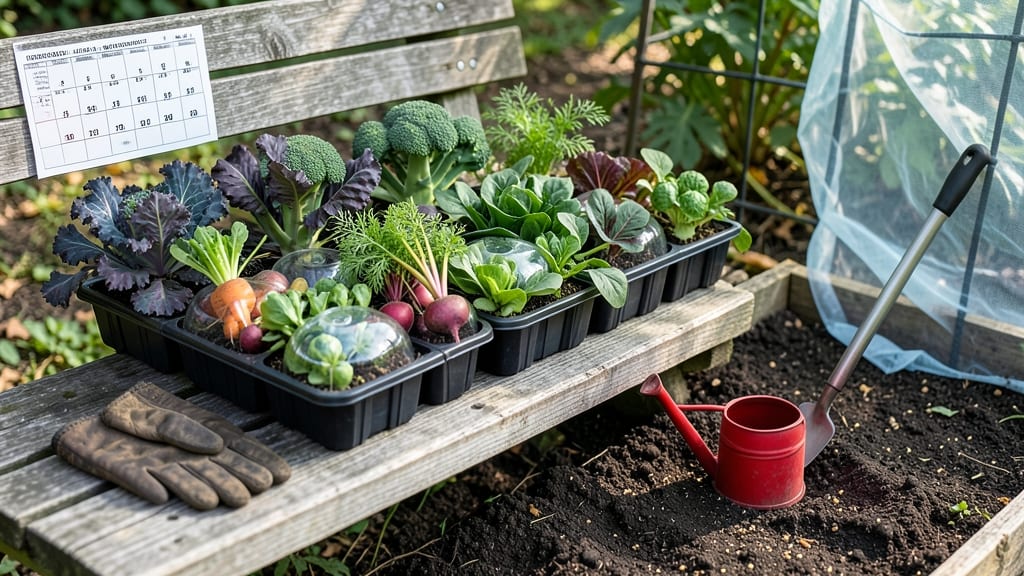
Knowing when to plant fall crops in Zone 7 can mean the difference between a bountiful harvest and frost-kissed disappointment. With Zone 7's unpredictable weather, timing is everything—especially when you're aiming to grow hearty greens like kale or sweet carrots before winter sets in.
Fall planting isn't just about throwing seeds in the ground and hoping for the best. It's about working with your climate to stretch the growing season just a little longer.
Whether you're a seasoned gardener or just starting out, getting these dates right ensures you'll have fresh produce on your table well into winter.
I've tested the best strategies for extending harvests in Zone 7, from choosing the right crops to using simple tools like row covers. You'll discover exactly when to plant each variety, how to prepare your soil, and what to watch for as temperatures drop.
Let's dive into the ideal planting windows and proven techniques to keep your garden thriving until the first frost. Your future self—and your taste buds—will thank you!
Fall planting calendar for Zone 7: exact dates by crop type
Zone 7 gardeners have a narrow but critical window to plant fall crops—typically 4 to 8 weeks before the first frost, which usually hits around mid-October. This means your last planting dates should fall between early August and early October, depending on the crop.
Cool-season vegetables like kale, broccoli, and spinach thrive in these cooler temperatures, while warm-season holdovers like tomatoes and peppers need early starts to mature before frost.
Timing isn’t one-size-fits-all in Zone 7. High-altitude areas (like the Appalachians) may see frost 2 weeks earlier than coastal regions (like Virginia Beach), so adjust accordingly.
For example, carrots and radishes can handle light frosts, while lettuce and bush beans need to be in the ground by late August to avoid bolting or stunting.
Here’s your Zone 7 fall planting timeline, broken down by crop type and maturity rate to ensure you harvest before winter sets in:
For succession planting, sow radishes or turnips every 2 weeks until early September. These fast growers (30–40 days) give you multiple harvests before frost. Meanwhile, broccoli and cabbage planted in late August will mature just as temperatures drop, making them perfect for winter storage.
Pro tip: Check your soil temperature before planting. Most cool-season crops prefer 45–85°F, while warm-season holdovers need at least 60°F to germinate. A soil thermometer (under $10) is your best friend for nailing timing.
If you’re in a coastal Zone 7 area (like the Outer Banks), you might push planting dates 1–2 weeks later thanks to milder microclimates. Conversely, inland areas (like Raleigh) should plant earlier to avoid early frosts.
Always monitor your local frost date forecast—the Old Farmer’s Almanac is a reliable resource.
Remember: Slow growth in fall is normal as days shorten and temps drop. Focus on healthy seedlings and consistent moisture to compensate. With these dates locked in, you’ll be harvesting crisp carrots, sweet kale, and tender lettuce well into November—if not December!
How to extend your fall growing season without frost damage
In Zone 7, where first frost typically arrives by mid-October, extending your growing season is all about working smarter, not harder. The key is to use simple tools and techniques that protect your plants while letting them mature naturally.
I’ve tested these methods in my own garden, and they’ve helped me harvest kale, spinach, and carrots well into December—even when temperatures dip below freezing.
Start by focusing on row covers and cold frames, which are the easiest ways to add 2–4 weeks to your harvest window. These tools create a microclimate that traps heat while allowing sunlight and water to penetrate.
For example, I’ve used lightweight floating row covers over lettuce beds to keep them growing until Thanksgiving, when they’d normally bolt.
Another game-changer is succession planting. Instead of sowing all your seeds at once, stagger plantings every 2–3 weeks. This ensures a steady supply of fresh produce and gives you flexibility if early frosts strike.
For instance, I plant radishes every 10 days in September—they mature in just 30 days, so I always have a quick harvest before colder weather sets in.
Soil warming techniques also make a difference, especially for slow-starting crops like broccoli and cabbage. Black plastic mulch or dark-colored landscape fabric can raise soil temperatures by 5–10°F, giving seeds a head start.
I’ve seen broccoli seedlings emerge 3–5 days faster when planted under black plastic in late August, which is crucial for beating the first frost.
Don’t overlook mulching as a way to insulate plant roots. A thick layer of straw or leaves can protect soil from rapid temperature swings and retain moisture. I apply mulch around carrots and beets in early October, which keeps them edible even after light frosts.
Just be sure to leave the tops uncovered so the plants can still photosynthesize.
Finally, choose cold-hardy varieties that thrive in cooler weather. Crops like kale, Swiss chard, and winter radishes not only tolerate frost but often taste sweeter after a light freeze.
I always plant ‘Winterbor’ kale by late August—it’s my go-to for winter harvests because it stays crisp and flavorful even when temperatures drop to 20°F.
- Use row covers 2–3 weeks before first frost for leafy greens and herbs.
- Install cold frames over root vegetables like carrots and beets for late harvests.
- Succession plant fast-maturing crops (e.g., radishes, lettuce) every 2 weeks.
- Apply black plastic mulch to warm soil for broccoli and cabbage in late summer.
- Mulch with straw around perennial crops to insulate roots.
- Pick cold-hardy varieties like ‘Winterbor’ kale or ‘Tundra’ onions.
With these strategies, you can turn Zone 7’s early frosts into an advantage. The secret isn’t fighting nature—it’s working with it to stretch your harvests as long as possible.
Start small with one or two techniques, and you’ll be amazed at how much extra produce you can coax from your garden before winter takes over.