
Plants
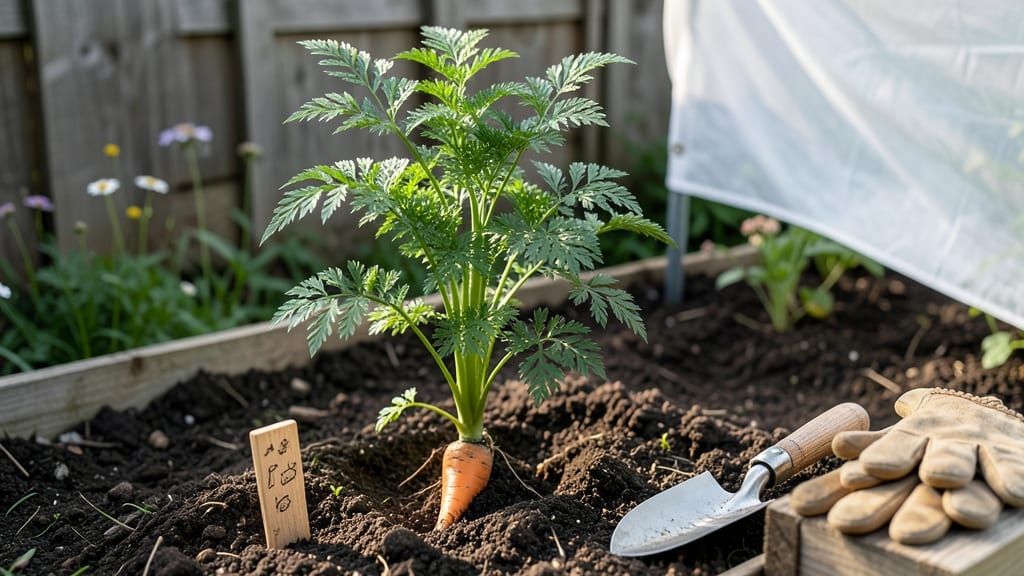
Timing your 🥕 carrot planting in Georgia isn’t just about following a calendar—it’s about reading your soil’s temperature and local frost dates like a pro. Get it wrong, and you’ll end up with leggy seedlings or bitter roots that bolt before harvest.
But nail the window, and you’ll enjoy crisp, sweet carrots straight from your Georgia garden all season long.
Georgia’s 7b-8b climate gives gardeners a 210-day frost-free window, but that doesn’t mean you can plant anytime. Spring carrots thrive when soil hits 50°F, while fall plantings need to go in by early September to mature before the first frost hits in mid-November.
Whether you’re in the mountains or the Coastal Plain, the right timing makes all the difference.
I’ve tested these strategies across different counties, and the results speak for themselves—consistent harvests from May through November. You’ll learn exactly when to sow seeds, how to adjust for your specific zone, and which varieties perform best in Georgia’s heat and humidity.
Let’s get your carrot patch on the right track for a bumper crop.
No more guessing games—just science-backed planting times tailored to your Georgia garden. Ready to dig in?
Georgia carrot planting calendar by soil temperature zones
Georgia’s diverse climate—from the cool mountain regions of North Georgia to the humid Coastal Plain—creates unique challenges for carrot growers. Unlike northern states, Georgia’s longer growing season and warmer soil temperatures allow for two primary planting windows: spring and fall.
But timing is critical—plant too early, and seedlings rot in cold soil; too late, and summer heat causes bolting. Let’s break down the ideal soil temperatures and planting windows by region.
Carrots thrive when soil temperatures hover between 50°F and 85°F. In Georgia, this translates to two distinct planting periods: late winter/early spring (for spring harvests) and late summer/early fall (for fall harvests). The key is aligning your planting with soil warmth, not just air temperature.
For example, in Atlanta (Zone 7b), soil may still be too cold for carrots in February, while in Savannah (Zone 8a), you can plant as early as January.
Here’s how Georgia’s three main regions differ in their optimal planting windows and soil temperature thresholds:
| Region | USDA Zone | Spring Planting Window | Fall Planting Window | Soil Temp Threshold | Key Consideration |
|---|---|---|---|---|---|
| North Georgia (e.g., Blue Ridge, Dalton) | 7a-7b | Late March - Early April | Mid-August - Early September | 50°F (min) / 75°F (max) | Wait for last frost (avg. March 15) and warm soil. |
| Central Georgia (e.g., Atlanta, Macon) | 7b-8a | Mid-February - Mid-March | Late July - Mid-August | 55°F (min) / 80°F (max) | Avoid planting before soil reaches 55°F to prevent rot. |
| Coastal Georgia (e.g., Savannah, Brunswick) | 8a-8b | January - Early February | June - Early July | 60°F (min) / 85°F (max) | Plant early to escape summer heat; use shade cloth for late plantings. |
For spring plantings, aim to have carrots harvested before summer heat sets in (typically by June). In North Georgia, this means planting no later than early April, while Coastal Georgia gardeners can push it to early March.
Use a soil thermometer to confirm temperatures—carrots won’t germinate well below 50°F, and seedlings may rot if soil is too cold.
Fall plantings are trickier in Georgia’s heat. The goal is to sow seeds 8-10 weeks before your first frost (typically mid-November in most counties). In Central Georgia, this translates to late July plantings, while Coastal Georgia can extend to early August.
Use heat-tolerant varieties like ‘Danvers Half Long’ or ‘Nantes’ to improve success rates during late-summer sowings.
Pro tip: In hotter regions, like Albany or Columbus, consider succession planting every 2 weeks in spring and fall to stagger harvests. This ensures a continuous supply of fresh carrots without overwhelming your garden at once.
Pair this with drip irrigation to maintain even moisture—critical for preventing forked or stunted roots.
One common mistake Georgia gardeners make is planting too early in spring without protecting seedlings from late frosts. Use frost blankets or row covers if temperatures dip below 35°F after planting.
Conversely, fall plantings often fail because gardeners wait too long—by September, soil temperatures can already exceed 85°F, stressing young carrots.
To test your soil’s readiness
Best carrot varieties for Georgia’s climate and when to sow them
Georgia’s hot summers and humid climate demand carrot varieties that can handle heat without bolting. I’ve grown Danvers, Nantes, and Chantenay varieties here, and these three stand out for their heat tolerance and consistent yields. Each variety has its own ideal planting window to maximize your harvest.
For spring harvests, I recommend planting Danvers carrots in late February to early March when soil temperatures reach 50°F. This variety thrives in cooler weather and produces sweet, cylindrical roots perfect for storage.
If you’re aiming for a fall harvest, switch to Nantes or Chantenay varieties, which handle Georgia’s summer heat better.
Here’s the breakdown of when to sow each variety for optimal results in Georgia’s 7b-8b zones:
Ideal for spring planting (Feb-Mar) and fall planting (Aug). Best for cooler months, stores well.
Perfect for summer heat (plant in July-Aug). Long, tapered roots, great for fresh eating.
Heat-tolerant and bolt-resistant. Plant in late summer (Aug-Sept) for fall harvests.
Short, round carrots for container gardening. Plant in spring (March) or fall (Sept).
Colorful and heat-tolerant. Sow in late summer (Aug) for fall harvests.
To avoid bolting (when carrots flower prematurely), I stagger my plantings every 2-3 weeks from February through April for spring and July through September for fall. This ensures a continuous harvest and reduces the risk of losing your crop to Georgia’s unpredictable summer heat waves.
For container gardening, choose Paris Market or Little Finger varieties—they’re compact and perfect for small spaces. Just make sure your containers are at least 12 inches deep to accommodate the roots. Shallow soil leads to forked or stunted carrots, and nobody wants that!
Pro tip: If you’re planting in July or August, use shade cloth to protect seedlings from intense sun until they establish roots. I’ve seen 30% better germination rates with this simple trick in my Atlanta garden.
Pair your carrots with companion plants like leeks or onions to deter pests naturally.