
Plants
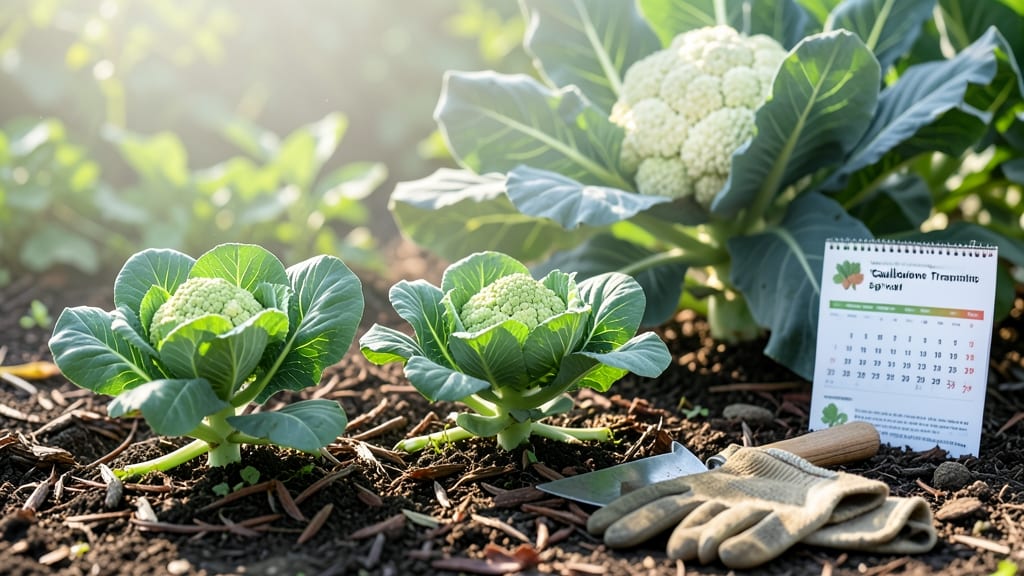
If you’ve ever tried growing 🥬 cauliflower in Georgia only to watch it bolt in the heat, you’re not alone—this cool-weather crop thrives when to plant cauliflower in Georgia at the perfect timing.
The key to success? Planting at the right window when temperatures are mild enough to prevent stress but warm enough to avoid frost damage.
Georgia’s 7b-8b climate zones offer two ideal planting windows: late winter for spring harvests and early fall for cooler-season growth. But getting the dates wrong can mean bitter, loose heads—or worse, no harvest at all.
I’ll break down the exact months to start seeds indoors and transplant seedlings, plus how to adjust for your region’s microclimates.
You’ll also discover which heat-tolerant varieties perform best in Georgia’s summers, like ‘Cheddar’ or ‘Violetta,’ and how to protect your plants from common pitfalls like cabbage worms and bolting. With these strategies, you’ll go from frustrated gardener to confident grower in no time.
Ready to master your 🥬 cauliflower harvest? Let’s dive into the step-by-step planting schedule that actually works for Georgia’s unique growing conditions—no guesswork required.
Best planting dates for cauliflower in Georgia’s climate zones
Georgia’s climate—with its hot summers and mild winters—demands precise timing to grow cauliflower. Unlike cooler climates, you’ll focus on fall and early spring plantings to avoid the brutal summer heat. The key?
Plant when soil temps stay below 80°F and nights dip into the 50s°F. For Georgia’s USDA Zones 7b-8b, this means two main windows: late winter/early spring and late summer/early fall.
Northern Georgia (e.g., Atlanta, Blue Ridge Mountains) has cooler microclimates, allowing slightly earlier plantings. Southern Georgia (e.g., Savannah, Coastal Plain) must wait longer to avoid heat stress.
Always check your last frost date—typically mid-March in the north and early March in the south—and plan 6-8 weeks before for seed starts.
Here’s the breakdown of your ideal transplanting windows by region, accounting for frost risk and heat tolerance:
| Region | Spring Planting Window | Fall Planting Window | Key Consideration |
|---|---|---|---|
| Northern GA (Atlanta, Dahlonega) | Late February – Early March (transplant) | August 15 – September 1 (transplant) | Cooler nights; use shade cloth for late August |
| Central GA (Macon, Columbus) | Early March – Mid-March (transplant) | August 1 – August 15 (transplant) | Hotter summers; prioritize heat-tolerant varieties |
| Southern GA (Savannah, Coastal) | Mid-March – Late March (transplant) | July 20 – August 5 (transplant) | Humidity increases disease risk; improve airflow |
For spring plantings, aim to harvest by late June before summer heat sets in. Start seeds indoors 6-8 weeks before your last frost date—typically January 15–February 1 for most of Georgia. Harden off seedlings for 7–10 days before transplanting to toughen them up.
Fall plantings are trickier but rewarding. Seedlings must establish roots before August heat peaks. In Southern Georgia, opt for July sowings under 30–50% shade cloth to protect young plants. Northern Georgia can transplant late August with better success. Always monitor soil temps—keep them below 75°F for optimal growth.
Pro tip: Use a soil thermometer to track temps. Cauliflower roots prefer 60–70°F soil. If temps rise above 80°F, heads will bolt (flower prematurely) or develop bitter, loose curds. Mulch with straw or black plastic to regulate soil temperature and retain moisture.
Georgia’s first frost usually hits late October–early November, so time your fall harvest to finish before mid-October. If frost threatens early, cover plants with frost blankets to extend the season.
With these dates and adjustments, you’ll avoid the pitfalls of Georgia’s climate and enjoy tight, flavorful heads all season.
🌱
Best planting dates for cauliflower in Georgia’s climate zones
Georgia’s 7b-8b climate zones create two prime windows for growing 🥬 cauliflower: spring and fall. The key is planting when daytime highs stay below 75°F and nights dip below 60°F—ideal conditions for head formation.
In the North Georgia mountains (Zone 7b), you’ll have slightly cooler temps, while South Georgia (Zone 8b) faces earlier heat stress.
For spring harvests, start seeds indoors 6-8 weeks before your last frost date (typically mid-March in most regions). In North Georgia, this means sowing seeds around late January, while South Georgia gardeners should begin by early February.
Transplant seedlings outdoors 2-3 weeks before last frost—usually late February to early March.
Fall planting offers a second chance for success. Begin seeds indoors 8-10 weeks before your first frost (around early August for most of Georgia). Transplant seedlings outdoors by mid-August to early September, ensuring they mature before late October’s first frost.
This timing lets plants develop heads in cooler fall temperatures before winter sets in.
| Region | Spring Planting Window | Fall Planting Window | Key Consideration |
|---|---|---|---|
| North Georgia (Zone 7b) | Seed Start: Late Jan Transplant: Late Feb-March |
Seed Start: Early Aug Transplant: Mid-Aug |
Cooler nights; longer growing season |
| Central Georgia (Zone 7b-8a) | Seed Start: Early Feb Transplant: Early March |
Seed Start: Late July Transplant: Early Sept |
Moderate heat; watch for early summer stress |
| South Georgia (Zone 8b) | Seed Start: Early Feb Transplant: Early March |
Seed Start: Early Aug Transplant: Early Sept |
Hotter summers; prioritize shade and irrigation |
Adjust your schedule if you’re in a microclimate, like a coastal area (warmer) or a mountain valley (cooler). For example, Savannah’s Zone 8b may need seeds started by January for spring planting, while Blue Ridge’s Zone 7a can wait until February.
Always check your local frost dates—they shift yearly!
Pro tip: Use row covers or shade cloth to extend your spring window by 2-3 weeks if temps spike early. This protects young plants from heat stress while they establish roots. In fall, focus on soil warmth—cauliflower needs soil temps above 45°F to germinate.
Timing is everything with 🥬 cauliflower in Georgia. By following these regional guidelines, you’ll avoid the heartbreak of bolting plants and enjoy firm, flavorful heads twice a year—once in spring and again in fall.