
Plants
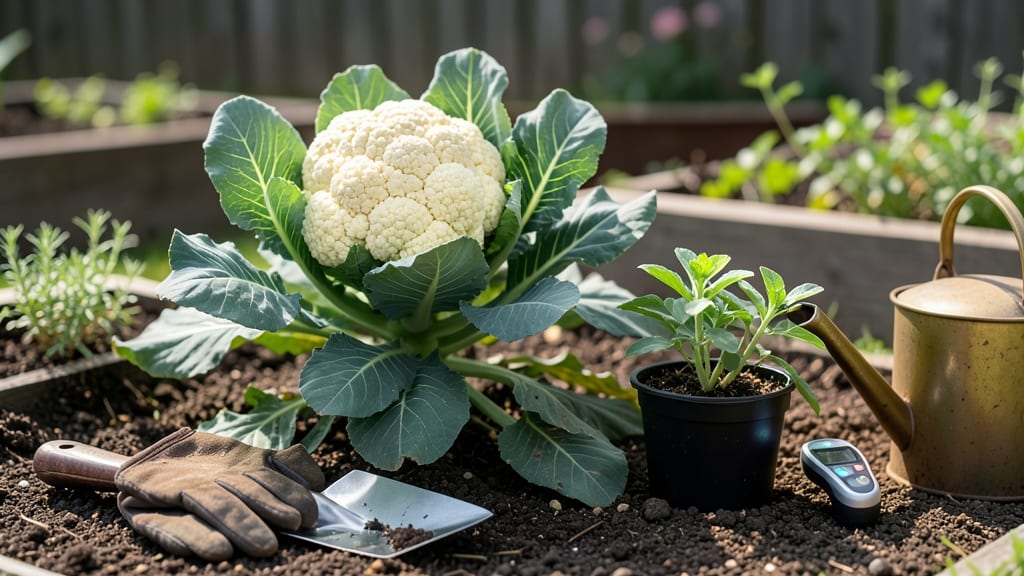
Timing your cauliflower 🥬 planting in Missouri can mean the difference between a bountiful harvest and a wasted effort—especially when frost or summer heat threaten your crop.
Most Missouri gardeners in zones 5b-6b have just two narrow windows to plant: early spring (March 15–April 15) or late summer (August 1–September 1). Miss these deadlines, and you risk bolting plants or stunted growth from extreme heat.
I’ll break down the exact frost-free planting schedule for your zone, plus pro tips to extend your growing season—whether you’re starting seeds indoors or transplanting seedlings.
Ready to grow perfect heads? Let’s get your cauliflower in the ground at the right time for a flavorful harvest in June or October.
Missouri cauliflower planting dates by hardiness zone (frost-free deadlines)
Missouri’s USDA zones 5b-7b create distinct planting windows for cauliflower. In northern Missouri (zones 5a-5b), where frosts linger until mid-April, start transplants indoors by March 1 for outdoor planting by April 15.
Southern Missouri (zones 6a-7b) enjoys a 2-3 week earlier window, with direct sowing possible as early as February 28.
For fall harvests, count back 100-120 days from your first frost date (typically October 15). This means sowing seeds or transplants between August 1 and September 1. Late-summer heat can trigger bolting, so prioritize heat-tolerant varieties like 'Graffiti' for southern zones.
Missouri’s erratic spring weather demands flexibility. Use row covers to extend early planting by 2-3 weeks, or opt for succession planting every 2 weeks to stagger harvests. In zone 7b, you can even squeeze in a late-summer crop if you plant by June 15.
Here’s your zone-specific planting timeline to avoid frost damage and summer bolting:
Missouri’s last frost dates vary by 5-10 days across zones, so check your local Missouri State Climatologist or Almanac for precise dates. For example, Columbia (zone 6b) averages April 10 for last frost, while Kansas City (zone 6a) is April 15.
To maximize yields, align your planting with moon phases—root crops like cauliflower thrive during the rooting phase (last quarter to new moon). Pair this with well-draining soil (pH 6.0-7.0) and compost enrichment to ensure robust transplants.
In southern Missouri, where summers are hotter, opt for shade cloth (30-50%) during peak heat (June-August).
For northern Missouri gardeners, consider cold frames to start seeds indoors by February 1. Transplant hardened-off seedlings 2 weeks before your zone’s last frost date. This head start compensates for Missouri’s cool, wet springs, which can delay soil warming.
Remember: Cauliflower bolts when stressed by heat over 85°F or drought. In zone 7b, where summer temps exceed this threshold, focus on fall plantings for reliable harvests. Use drip irrigation to maintain consistent moisture—cauliflower heads split when soil dries unevenly.
Pro tip: Mark your calendar for June 1 (northern MO) or May 15 (southern MO) to begin succession plantings every 2 weeks. This ensures a continuous harvest through July or October, depending on your zone. Pair with broccoli for a low-maintenance brassica duo.
Missouri’s fall cauliflower shines when planted
Best cauliflower varieties for Missouri’s climate and when to sow them
Missouri’s variable climate demands cauliflower varieties that handle cool springs and hot summers without bolting. The top 5 performers for zones 5b-7b include cold-hardy types for spring and heat-tolerant ones for fall.
For example, ‘Snowball Y Improved’ thrives in northern Missouri’s short growing seasons, while ‘Graffiti’ (purple cauliflower) excels in southern zones’ longer summers.
Start with transplants for spring plantings—sow seeds indoors 4-6 weeks before your last frost date (e.g., by February 15 in zone 7b). For fall, direct-sow seeds 8-10 weeks before your first frost (e.g., by August 15 in zone 5b). This timing ensures heads mature before October’s first frost.
Here’s how to match varieties to Missouri’s zones and seasons:
For succession planting, sow ‘Cheddar’ every 2 weeks from April to June in northern Missouri or July to August in southern zones. This staggered approach ensures a continuous harvest through October. Pair with broccoli or kale to maximize space in your garden bed.
Missouri’s humid summers increase risks of clubroot disease and cabbage worms. Choose disease-resistant varieties like ‘Snowball’ (resistant to black rot) and apply neem oil preventatively. In zone 7b, where heat stress is highest, opt for shade-tolerant varieties like ‘Graffiti’ and use drip irrigation to avoid wetting leaves.
Pro tip: Test your soil pH before planting—cauliflower prefers 6.0-7.0. Amend with lime if your soil is acidic. In container gardens, use well-draining potting mix with