
Plants
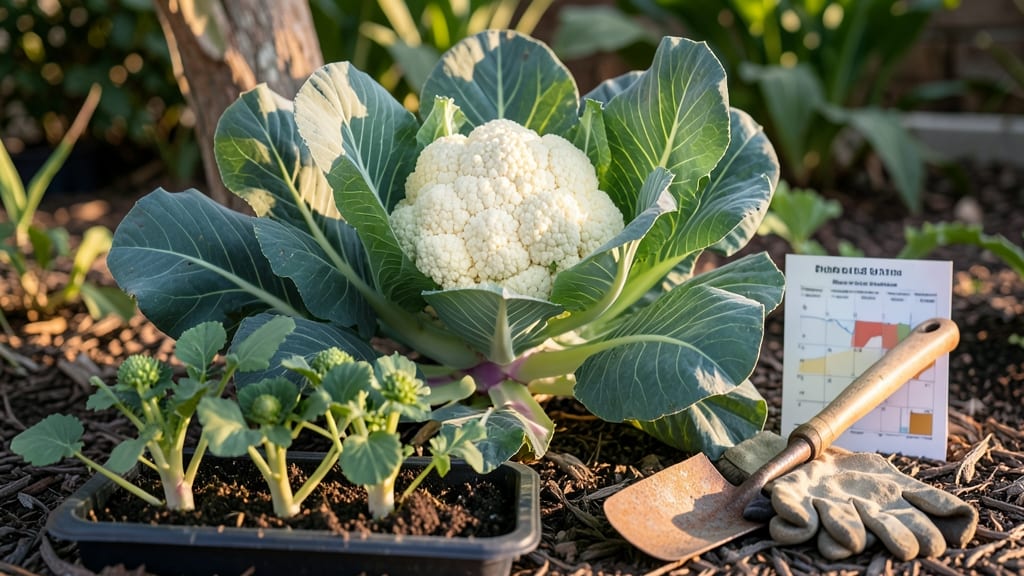
If you’ve ever planted 🥬 cauliflower in Florida only to watch it bolt into bitter flowers before forming a head, you’re not alone. The key to success lies in timing—because Florida’s heat and humidity can turn your crop into a finicky gamble if you miss the perfect window.
Most gardeners assume cooler months are the only option, but Florida’s unique 9a-11 climate zones actually give you two prime chances to grow cauliflower: fall and winter.
The trick? Planting in August-September for fall harvests or January-February for spring, while avoiding the scorching summer months when even the hardiest varieties struggle.
Here’s what you need to know: soil prep, shade strategies, and how to calculate your exact planting dates based on Florida’s microclimates—so you can finally grow cauliflower heads that stay tight, creamy, and ready to harvest.
Let’s break down the exact months to plant, how to protect your crop from bolting, and why skipping these steps could mean the difference between a bumper harvest and a bitter disappointment.
Best planting months for cauliflower in Florida (avoid bolting)
Cauliflower thrives in Florida’s cooler months, but timing is everything. Unlike northern states, Florida’s frost-free zones (9a-11) mean no traditional "last frost" date—but heat stress is the real enemy. Plant too early, and your crop bolts from summer’s swelter. Too late, and heads won’t mature before spring warmth arrives.
For North Florida (Panhandle, Gainesville), aim for August–September planting to harvest by December. Central Florida (Orlando, Tampa) gardeners have until late September, while South Florida (Miami, Key West) can extend into early October. Spring planting is risky but possible with January–February sowings for April–May harvests.
Here’s the breakdown you need to avoid bolting and maximize yields:
| Zone | Ideal Planting Window | Soil Temp (°F) | Harvest Window | Key Tip |
|---|---|---|---|---|
| North Florida | August 1–September 15 | 65–75°F | November–December | Use shade cloth after September 1 |
| Central Florida | August 15–October 1 | 70–80°F | December–January | Prioritize dwarf varieties for heat tolerance |
| South Florida | September 1–October 15 | 75–85°F | January–February | Plant in elevated beds for drainage |
| Spring Planting (All Zones) | January 15–February 15 | 60–70°F | April–May | Use row covers for early starts |
For precise timing, calculate your local "heat stress threshold"—the point where daytime temps exceed 85°F for 3+ days. Use this rule: Plant cauliflower 6–8 weeks before your first expected heat spike. In North Florida, this is usually mid-August; in South Florida, it’s early September.
Pro tip: Seed-starting indoors gives you flexibility. Begin seeds 6–8 weeks before transplanting (e.g., June 15–July 1 for fall crops). Harden off seedlings for 7–10 days before moving them outdoors to avoid transplant shock.
If you’re in North Florida and fear rare frost (January 15 risk), opt for cold-hardy varieties like 'Snowball Y Improved'. For South Florida’s humidity, choose 'Purple of Sicily' or 'Romanesco'—both tolerate heat better than standard white varieties.
Remember: Soil temperature matters more than air temperature. Use a soil thermometer to confirm 60–70°F before planting. If your soil runs hotter, wait until evening to transplant or use shade cloth (30–50%) for the first 2 weeks.
✂️ Now that you’ve got your months locked in, your next move is soil prep. Cauliflower craves well-draining, slightly acidic soil (pH 6.0–6.8). Mix in 2–3 inches of compost and a balanced fertilizer (10-20-10) before planting to prevent nutrient deficiencies that trigger bolting.
Best planting months for cauliflower in Florida (avoid bolting)
Florida’s warm climate and long growing season make timing critical for cauliflower success. Unlike northern states, Florida rarely experiences frost, but heat stress and bolting are the real enemies. The ideal window focuses on cooler months when temperatures stay between 60°F and 75°F—perfect for head formation.
Most Florida gardeners achieve the best results with two planting cycles: fall and winter. Fall plantings in August-September yield harvests by November-December, while winter plantings in January-February produce heads in April-May.
South Florida’s warmer microclimate may extend these windows slightly, but North Florida’s rare frost risk (around January 15) demands earlier starts.
Here’s the breakdown you need to avoid bolting and maximize your harvest:
| Planting Window | Climate Zone | Soil Temp | Harvest Months | Key Tip |
|---|---|---|---|---|
| August-September | North/Central Florida | 65°F-75°F | November-December | Use shade cloth to prevent bolting |
| July-August | South Florida | 70°F-78°F | October-November | Prioritize afternoon shade and mulch |
| January-February | All Zones | 60°F-70°F | April-May | Start seeds indoors 6-8 weeks before transplanting |
| October-November | North Florida Only | 65°F-72°F | January-February | Protect from rare frost with row covers |
For North Florida gardeners, the October-November window offers a second chance at harvest, but only if you’re prepared for potential frost. Use row covers or cold frames to extend the season safely.
In South Florida, the July-August window works better than northern zones, thanks to milder summer temperatures—but bolting remains a risk if soil stays too warm.
To calculate your exact planting dates, note that cauliflower needs 60-80 days to mature. Count backward from your first expected frost date (even if rare) or aim for 80 days before peak harvest months.
For example, if you want heads by December 1, plant seeds by September 10.
Pro tip: Direct sowing works for fall plantings, but starting seeds indoors 6-8 weeks before transplanting gives you a head start—especially for winter crops. Use well-draining soil mixed with compost to prevent nutrient stress, and always plant in partial shade during Florida’s hottest afternoons.
Bolting is the biggest threat, but with these precise timing strategies, you’ll grow tight, creamy heads instead of bitter flowers. Next, we’ll cover how to extend the season even further with shade and mulching tricks.