
How To
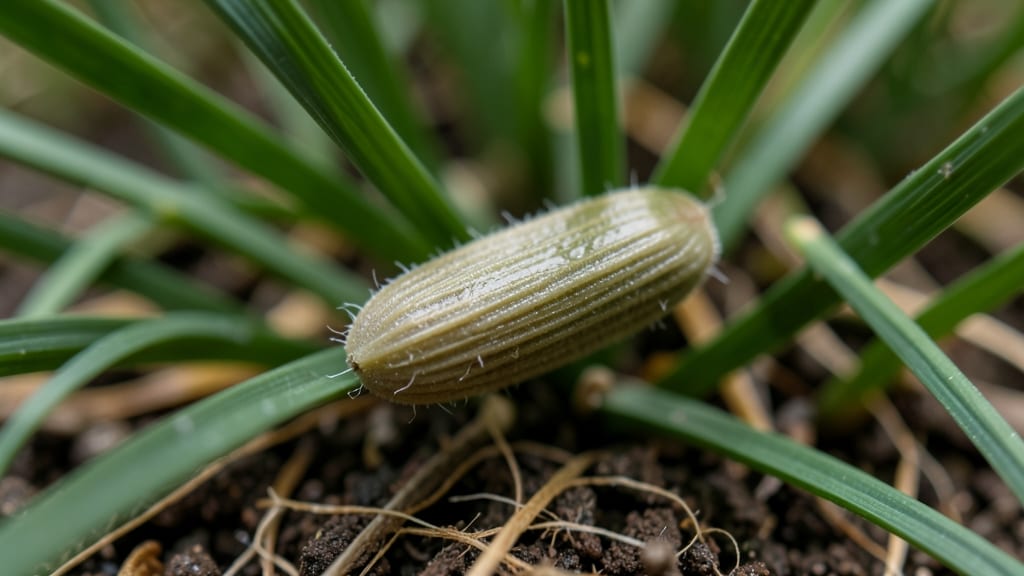
If you're dreaming of a lush, low-maintenance lawn in Georgia, timing is everything—especially when it comes to planting centipede seed 🌱. The wrong window could mean wasted seeds or a patchy yard, but get it right, and you'll be rewarded with a drought-resistant green carpet that thrives in the heat.
Georgia's warm climate (USDA zones 7b-9a) means you don't have to worry about early frosts, but that doesn't mean you can plant anytime. The sweet spot is late spring to early summer, when soil temperatures hit that perfect 65°F mark—just after the last frost in mid-March.
This timing gives your seeds the ideal conditions to germinate without competing with weeds or battling summer heat.
I'll walk you through the exact months to plant based on your region—whether you're in coastal Georgia, the Piedmont, or North Georgia—plus how to prep your soil for maximum success.
Skipping these steps could mean thin grass or even failure, so let's make sure you get it right the first time.
Ready to transform your yard? You'll also discover the 3 key signs your soil is ready, common mistakes to avoid, and post-planting care tips that keep your centipede grass thriving all summer long. Let's get started!
Georgia’s best planting months for centipede seed: heat-zone breakdown
Georgia’s climate varies dramatically from the humid coastal regions to the cooler mountain areas, so planting times for centipede seed depend heavily on your location 🌡️.
The ideal window is late spring to early summer, but coastal areas can start slightly earlier, while North Georgia may need to wait until June. Let’s break down the best months for each region to ensure your seeds germinate successfully.
For coastal Georgia (USDA zones 8a-9a), the optimal planting window is from early April to mid-May. The soil warms quickly here, and the 65°F threshold is often reached by late March.
This early start gives your centipede grass a head start before summer heat arrives. Coastal areas also benefit from higher humidity, which helps maintain moisture in the soil during germination.
| Region | Best Planting Months | Soil Temp Threshold | Key Consideration |
|---|---|---|---|
| Coastal Georgia | Early April - Mid-May | 65°F+ | High humidity, quick soil warming |
| Piedmont | Late April - Early June | 65°F+ | Moderate climate, avoid late summer heat |
| North Georgia | Late May - Early June | 65°F+ | Cooler nights, slower soil warming |
The Piedmont region (USDA zones 7b-8a) offers a slightly wider window, from late April to early June. This area experiences more temperature fluctuations, so aim to plant after the last frost (typically mid-March) but before the soil gets too hot.
June planting is still viable if you’re in a cooler microclimate, but avoid planting in July or August, as the intense heat can stress young seedlings.
In North Georgia (USDA zones 7a-7b), the best time to plant is late May to early June. The cooler mountain air means soil takes longer to warm up, and planting too early could expose seeds to late frosts.
Wait until the soil consistently stays above 65°F—usually by late May—and avoid planting after June, as summer droughts can stunt growth.
Regardless of your location, soil temperature is the most critical factor. Use a soil thermometer to confirm it’s reached 65°F at a depth of 4 inches before planting.
This ensures rapid germination and strong root development. If your soil is too cool, seeds may rot or fail to sprout, leading to wasted effort and money 🌱.
Once you’ve planted, focus on watering deeply (1-1.5 inches per week) to encourage root growth. Centipede grass is drought-tolerant once established, but young seedlings need consistent moisture. Avoid overwatering, which can lead to fungal diseases like brown patch—a common issue in Georgia’s humid climate.
Finally, consider mulching with pine straw (centipede grass thrives in acidic soil) to retain moisture and suppress weeds. This step is especially important in the Piedmont and North Georgia, where weed competition can be fierce during the growing season.
By following these regional guidelines, you’ll maximize your chances of a thick, lush centipede lawn that survives Georgia’s heat and humidity. Timing truly is everything—so mark your calendar and get ready to plant when the conditions are perfect! ✂️
Signs your Georgia soil is ready for centipede seed planting
Before you rush to plant your centipede seed, checking your soil’s readiness can make the difference between a thriving lawn and wasted effort 🌱. The key indicators are soil temperature, moisture levels, and pH balance.
Centipede grass demands specific conditions—skipping these checks often leads to slow germination or seed rot. Let’s dive into the three critical signs your Georgia soil is primed for planting.
First, your soil must reach a consistent 65°F temperature at a depth of 4 inches. Use a soil thermometer to test this—cool soil delays germination, while soil too hot can stress young seeds.
In coastal Georgia, this typically happens by early April, but Piedmont and North Georgia may need to wait until late May. Pro tip: Check temperatures in the late afternoon when soil is warmest.