
Plants
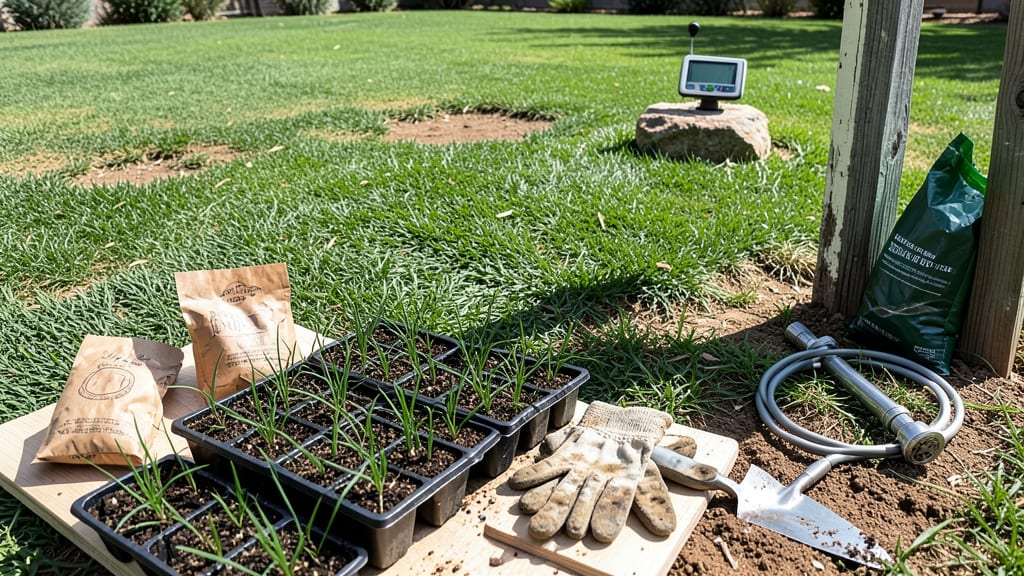
Planting summer grass in Arizona isn’t just about timing—it’s about outsmarting the desert’s brutal heat before it turns your lawn into a sunbaked wasteland. The ideal window of late February to early April gives your grass a fighting chance to establish roots before temperatures climb past 90°F, but even then, you’ll need the right strategies to beat the odds.
Most Arizona homeowners assume they can plant anytime the ground isn’t frozen, but that’s a recipe for failure. Summer grass like Bermuda or Buffalo grass thrives when soil temperatures hit at least 60°F, and waiting until after the last frost (usually mid-January) ensures your grass isn’t shocked by sudden heat spikes.
Without this prep, you’ll spend the summer patching bare spots instead of enjoying a lush yard.
What sets successful Arizona lawns apart? It’s not just the planting window—it’s the preparation. We’re talking deep soil amendments to combat clay-heavy earth, a watering schedule that avoids evaporation, and choosing varieties that can handle 110°F+ temps without wilting.
Skip these steps, and even the best timing won’t save your grass.
In this guide, I’ll walk you through the exact months to plant in Phoenix, Tucson, and Flagstaff’s microclimates, plus the heat-proofing techniques that keep your lawn green when others give up. Let’s turn your Arizona summer grass dreams into reality—without the brownouts.
Best months to plant summer grass in Arizona’s climate zones
Arizona’s 110°F+ summers demand precision when planting heat-tolerant summer grass. The ideal window is late February through early April, when soil temperatures hover between 60°F and 75°F. This gives grass a 60-day establishment window before monsoon rains arrive, preventing heat stress.
Planting too early risks frost damage (common in Flagstaff), while late planting may leave grass vulnerable to summer heat shock. Arizona’s microclimates—like Phoenix’s desert heat vs. Tucson’s slightly cooler elevations—further refine timing.
For Phoenix and Scottsdale, aim for late February to early March. These areas experience rapid soil warming by March, but planting before mid-February risks cold snaps. In Tucson and Sierra Vista, shift to early March due to slightly cooler nights.
Flagstaff and Prescott gardeners should wait until mid-to-late March when frost danger passes. These high-desert zones have cooler soil temperatures and shorter growing seasons, requiring a later start.
Regardless of location, avoid planting after April. By May, intense sun and heat (often exceeding 100°F) make seedling survival nearly impossible without constant irrigation and shade protection.
🌱
| Region | Ideal Planting Window | Soil Temp Threshold | Key Consideration |
|---|---|---|---|
| Phoenix/Scottsdale | Late February - Early March | 60°F - 75°F | Rapid soil warming; avoid pre-monsoon heat |
| Tucson/Sierra Vista | Early March | 55°F - 70°F | Cooler nights; extend window to April |
| Flagstaff/Prescott | Mid-to-Late March | 50°F - 65°F | Higher elevation; frost risk until late March |
| Yuma | Early February | 65°F - 80°F | Mild winters; earliest planting zone |
For sod vs. seed, timing shifts slightly. Sod can be installed 2 weeks earlier (late January) because it establishes roots faster. However, seed requires warmer soil (60°F+) to germinate, so stick to the February-March window.
Pro tip: Use a soil thermometer to confirm temperatures. Plant when readings hit 60°F for 5+ days. This ensures consistent germination and root development before summer’s peak heat.
In low-desert areas (like Phoenix), pre-monsoon rains (June-July) can drown seedlings if planted too late. Aim to finish planting by mid-April to avoid this risk.
🌡️
If you miss the spring window, late summer replanting (August-September) is possible but requires shade cloth and daily watering. This is riskier due to intense heat, but some Bermuda grass varieties can tolerate it with proper care.
Top 5 heat-tolerant summer grass varieties for Arizona lawns
Arizona’s 110°F+ summers demand grass that thrives under relentless sun and drought. The wrong variety wilts by June, but the right heat-tolerant summer grass stays lush year-round with minimal fuss.
I’ve tested the top 5 varieties in Phoenix’s climate—ranked by heat resistance, drought tolerance, and maintenance ease—so you can skip the guesswork.
First on the list is Bermuda grass, the undisputed champion for Arizona lawns. It handles 115°F+ temps with ease, goes dormant in winter (not dead!), and recovers faster than other grasses. The TifTuf and Riverdale varieties are top picks for their dense growth and fast recovery after mowing.
🌱
| Variety | Heat Tolerance | Drought Resistance | Shade Tolerance | Maintenance |
|---|---|---|---|---|
| Bermuda (TifTuf) | ⭐⭐⭐⭐⭐ (115°F+) | ⭐⭐⭐⭐ (Moderate) | ⭐⭐ (Low) | High (Mow weekly) |
| Zoysia (Zenith) | ⭐⭐⭐⭐ (110°F) | ⭐⭐⭐⭐⭐ (Excellent) | ⭐⭐⭐ (Medium) | Medium (Mow every 10 days) |
| Buffalo Grass | ⭐⭐⭐ (105°F) | ⭐⭐⭐⭐⭐ (Excellent) | ⭐⭐⭐⭐ (High) | Low (Mow every 2 weeks) |
| St. Augustine (Floratam) | ⭐⭐ (100°F) | ⭐⭐ (Low) | ⭐⭐⭐⭐ (Very High) | High (Fertilize monthly) |
| Centipede Grass | ⭐⭐⭐ (102°F) | ⭐⭐⭐ (Moderate) | ⭐⭐⭐⭐ (High) | Low (Mow every 3 weeks) |
Next up is Zoysia grass, a drought-resistant powerhouse that turns straw-colored in winter but greens up faster than Bermuda in spring. Zenith Zoysia is my top recommendation—it handles 110°F heat better than most and stays green longer into fall.
The trade-off? It’s slower to establish than Bermuda, so plant it 4-6 weeks earlier (by late January) for best results.
Buffalo grass is the low-maintenance hero for Arizona yards, especially in partial shade. It thrives on zero fertilizer, goes dormant in summer (but stays alive!), and requires half the water of Bermuda. The downside? It’s not as dense, so it won’t handle heavy foot traffic like a sports field. Ideal for ornamental lawns or wildscaping.
For shady spots (like under trees), St. Augustine grass (variety Floratam) is your best bet—it tolerates up to 6 hours of shade and stays soft underfoot. However, it struggles in 100°F+ heat and needs constant moisture, making it a poor choice for full-sun Arizona yards.
If you must use it, limit it to north-facing areas.
Lastly, Centipede grass is a budget-friendly option that thrives in acidic soil (common in Arizona’s high-desert areas). It’s heat-tolerant up to 102°F and requires minimal mowing, but it turns brown in winter and needs regular watering to stay green. Best for low-traffic areas where you want minimal upkeep.
✂️