
Plants
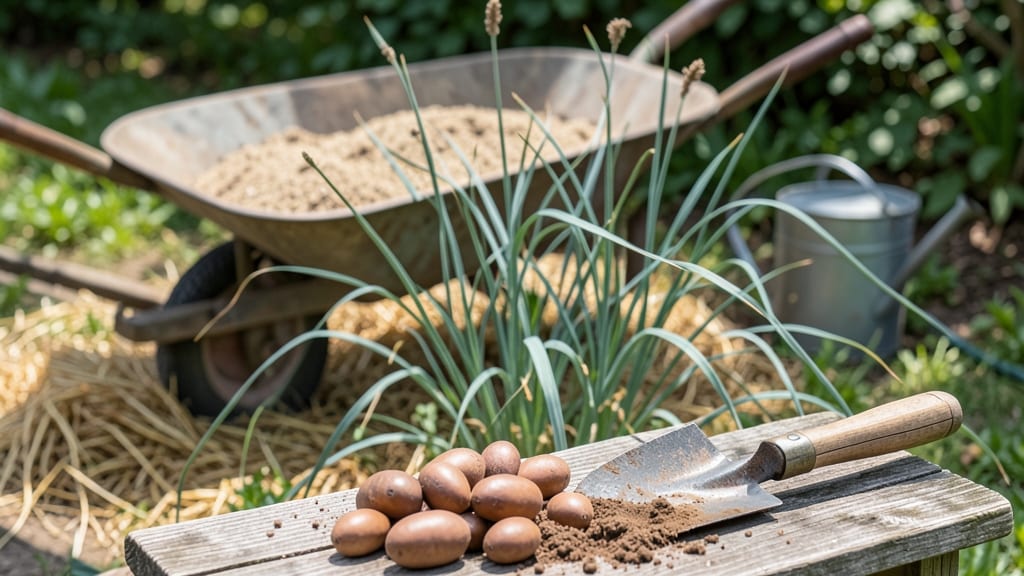
If you're dreaming of growing chufa—that nutty, crunchy tiger nut—when to plant chufa in Alabama is your secret weapon. The state’s warm climate is perfect for this crop, but timing your 🌾 chufa planting just right means the difference between a bumper harvest and a bust.
Plant too early, and frost could ruin your hard work; too late, and you’ll miss the sweet spot for those edible tubers to mature.
Most Alabama gardeners in zones 7b-8b should aim for late spring to early summer, once soil temperatures hit a steady 65°F. That’s typically April to May, but your exact window depends on whether you’re in North Alabama’s cooler pockets or South Alabama’s extended growing season.
No guesswork needed—just follow the frost-free dates by county to lock in success.
Here’s the game-changer: chufa thrives in Alabama’s heat, but it hates soggy soil and sudden temperature drops. We’ll break down the best month-by-month planting schedule, plus pro tips to adjust for your local microclimate—whether you’re in Huntsville’s shorter season or Mobile’s longer frost-free stretch.
Ready to turn your garden into a chufa powerhouse? Let’s dive into the exact dates, soil prep secrets, and watering tricks that’ll have you harvesting those golden tubers by August or September. Your Alabama chufa adventure starts here.
Alabama chufa planting calendar: frost-free dates by county
Alabama’s diverse climate zones mean your chufa planting window can vary by 100+ days depending on where you live. North Alabama’s shorter frost-free season (around 180 days) demands earlier planting, while South Alabama’s 240+ frost-free days allow for extended growing.
Let’s break down the optimal planting months for your specific county to ensure maximum tuber production.
Chufa (Cyperus esculentus) thrives in warm soil temperatures (at least 65°F) and full sun exposure. In Alabama, this typically translates to late April through early June for most regions.
However, soil temperature—not air temperature—is your true guide. Use a soil thermometer to confirm readiness before planting.
Here’s how Alabama’s three main climate regions affect your chufa planting schedule:
| Region | Last Frost Date | Optimal Planting Window | Soil Temp Goal | Key Counties |
|---|---|---|---|---|
| North Alabama | March 15 - April 1 | April 15 - May 10 | 65°F+ | Madison, Jackson, Huntsville, Decatur |
| Central Alabama | March 1 - March 15 | April 1 - May 15 | 65°F+ | Birmingham, Montgomery, Auburn, Tuscaloosa |
| South Alabama | February 15 - March 1 | March 15 - June 1 | 65°F+ | Mobile, Dothan, Huntsville, Pensacola |
🌡️ Pro Tip: North Alabama gardeners should prioritize early-maturing varieties to avoid fall frost.
For North Alabama counties like Madison or Jackson, aim to plant by May 1 to ensure tubers mature before the first frost in mid-November.
In Central Alabama (e.g., Birmingham), you’ve got a flexible window from April 1 to May 15, giving you time to experiment with successive plantings for extended harvests.
Gardeners in South Alabama (e.g., Mobile or Pensacola) enjoy the longest growing season, with March 15 to June 1 as your ideal window. This extended period lets you double-crop or even try a fall planting in September for a winter harvest—though chufa prefers warmer temperatures.
Always check your local USDA zone (Alabama ranges from 7b to 8b) and historical frost data from sources like the National Weather Service.
For example, Huntsville (Zone 7b) has a shorter frost-free season than Dothan (Zone 8a), so adjust accordingly. Container growing can also help extend your season in cooler areas.
If you’re planting in May or June, focus on fast-maturing varieties like 'Spanish' chufa, which can produce harvestable tubers in as few as 100 days.
For earlier plantings, 'Italian' types may perform better in North Alabama’s cooler springs. Always test soil pH (ideal: 6.0-7.0) and amend with compost before planting.
Remember: Chufa is heat-tolerant but not frost-tolerant. Even a light frost can damage emerging seedlings. Use row covers if planting early in North Alabama to protect young plants from unexpected late frosts.
🌱 For maximum yields, plant chufa in full sun with well-draining soil and consistent moisture. In Alabama’s humid climate, mulch heavily to prevent soil-borne diseases and retain moisture during summer droughts.
Alabama chufa planting calendar: frost-free dates by county
Alabama’s diverse climate means chufa planting dates vary wildly from North Alabama’s cooler zones to South Alabama’s extended growing season. The key? Planting after your last frost date—typically mid-April to early May—when soil temperatures hit 65°F.
Below, we’ve mapped out county-specific windows to help you avoid frost damage and maximize your 🌾 chufa harvest.
For example, gardeners in Huntsville (Zone 7b) should aim for late April to early May, while those in Mobile (Zone 8b) have until mid-May to plant. South Alabama’s longer frost-free period also means you can extend your harvest into October if you time it right.
Let’s break down the best planting windows by region.
If you’re in a transition zone like Montgomery or Tuscaloosa, check your local Alabama Extension office for precise frost dates—these can shift by 1-2 weeks depending on elevation and microclimates. For example, Anniston’s higher elevation might delay planting by 10 days compared to nearby Gadsden.
Pro tip: Use black plastic mulch in cooler regions to warm the soil faster and extend your planting window by 2-3 weeks. This is especially helpful in Zone 7b, where early April frosts are still possible. Just remove the mulch once your chufa sprouts to avoid overheating.
For maximum yields, aim to plant chufa when daytime temperatures consistently stay above 75°F. This usually aligns with late May in most of Alabama, giving your tubers enough time to mature before the first frost in November.
In South Alabama, you can even push planting into early June for a late-season harvest.
Remember: Chufa needs 100-150 days to mature, so count backward from your first frost date to lock in your ideal planting window. For example, if frost hits November 15, plant by mid-August at the latest—though this is cutting it close for most Alabama gardeners. 🌾