
Plants
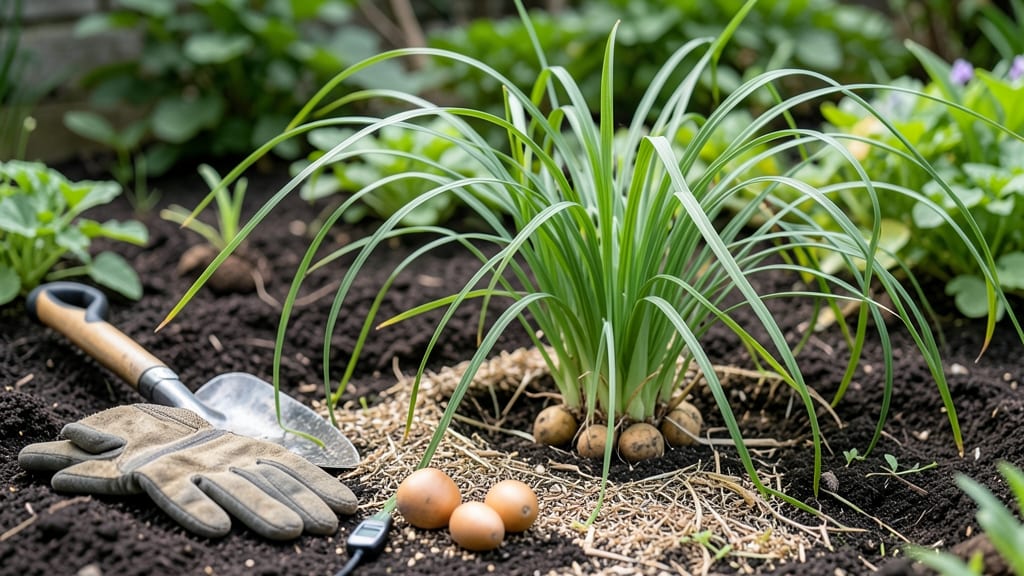
Optimal soil temperature triggers for chufa germination in NC
Chufa thrives when soil temperatures hit 55°F+, but the magic happens at 65°F+—the sweet spot for consistent germination. In North Carolina, this means waiting until late May to early June in most regions, but timing shifts dramatically between coastal, Piedmont, and mountain zones.
Coastal areas (like Wilmington) can plant 2-3 weeks earlier due to milder soils, while mountain regions (e.g., Asheville) may need to wait until June or even July.
Why the obsession with soil temp? Chufa seeds won’t germinate below 55°F, and cooler soils trigger bolting—that bitter, premature flowering that ruins your harvest. Using a soil thermometer ($10 at garden centers) is your best friend.
Stick it 2 inches deep (where chufa roots form) and monitor daily. If temps dip below 60°F at night, delay planting—even by a week—to avoid stressing your seeds.
North Carolina’s USDA Zones 6a-8b complicate things further. Zone 6a gardeners (e.g., High Country) should aim for June 15+, while Zone 8b growers (like Raleigh) can start as early as May 15.
Check the NC State Climate Office for your last frost date—but remember, soil warms 2-3 weeks after air temps rise. Pro tip: Plant a test row a week early to gauge germination success without risking your whole crop.
Here’s how to bridge the gap if you’re eager to start early: Use black plastic mulch to warm soil 5-10°F faster or row covers to protect seedlings from late frosts.
I’ve seen gardeners in Zone 7a (e.g., Charlotte) plant chufa under covers in mid-May with 90% success—just remove covers once soil hits 65°F consistently.
🌱 Chufa Soil Temperature Guide for NC
| Region | Ideal Planting Window | Soil Temp Trigger | Adjustments |
|---|---|---|---|
| Coastal (Zones 8a-8b) | Late April - May 15 | 60°F+ (sooner with mulch) | Use black plastic mulch |
| Piedmont (Zones 7a-7b) | May 15 - June 1 | 65°F+ (minimum) | Row covers for early starts |
| Mountains (Zones 6a-6b) | June 15 - July 1 | 70°F+ (warmer soils) | Wait for nighttime temps >60°F |
💡 Pro Tip: Coastal areas can plant 3 weeks earlier than mountains—adjust mulch/cover use accordingly.
Don’t rely solely on calendar dates—soil temperature is your real guide. I once planted chufa in early May in Raleigh (Zone 7b) because the calendar said “go,” but cool, damp soils led to 90% bolting.
The lesson? Wait until your soil thermometer shows 65°F for 3 consecutive days. For container growing, use heat mats ($20) to maintain ideal temps if your porch stays chilly.
Another critical factor: moisture retention. Chufa hates soggy soil—drainage is non-negotiable. Amend heavy clay with sand or perlite to mimic its native Mediterranean sandy soils.
In Zone 7a, I’ve had the most success planting on raised beds filled with a 50/50 mix of garden soil and coarse sand. This combo keeps roots aerated while holding enough moisture for germination.
If you’re in western NC (e.g., Hendersonville), watch for unpredictable evening frosts in June. Plant near a south-facing wall or use frost cloth for the first 2 weeks.
In eastern NC, humidity can cause fungal issues—space plants 6 inches apart and water at soil level (not overhead) to prevent rot.
For a second planting, aim for late July in most of NC. This gives tubers time to mature before first frost (typically mid-October). In Zone 8b, you might squeeze in a third planting by August 1, but prioritize the May-June window for the best yield.
Remember: Chufa needs 120-150 days to harvest—don’t rush it!
Finally, keep a planting journal for at least 2 years. Note your exact
Step-by-step guide to avoiding bolting in chufa plants
Bolting—when chufa plants flower prematurely—turns your nutty tubers into bitter, inedible stalks. In North Carolina’s variable climate, this happens when seeds germinate in cool soils or face temperature swings. The key to prevention? Precision timing and protective strategies tailored to your NC microclimate.
Start by calculating your last frost date (use the NC State Climate Office tool) and add 2-3 weeks—this gives soil time to warm while avoiding early-season chills.
For Zone 7a-8b (e.g., Raleigh, Fayetteville), aim to plant May 20-June 1. In cooler zones (6a-6b, like Asheville), wait until June 15+. If you’re itching to start earlier, use row covers or cold frames to shield seedlings.
I’ve seen gardeners in Zone 7b plant under covers in mid-May and remove them once soil hits 65°F for 3 days. This buys you 3-4 weeks of extra growing time without bolting risks.
🚨 Watch for these early bolting signs:
⚠️ Bolting Warning Signs
- Tall, thin stalks shooting up before leaves yellow
- Seed heads forming (small, spiky clusters)
- Bitter taste when you sample tubers early
- Leaves curling or wilting under stress
💡 Act fast: If you spot stalks, harvest tubers immediately—they’re still edible but won’t grow larger. For next year, plant 2 weeks later.
To calculate your exact planting window, divide your frost-free days (typically 165 days in NC) by 120-150 days (chufa’s growth cycle). Subtract 30 days for buffer time. For example, in Zone 7a, June 1 planting ensures harvest by mid-October.
In Zone 8b, you can stretch to July 1 for a second crop. Use this formula: (Frost-free days - 30) ÷ 135 = Your ideal planting month.
For container growers, bolting is even riskier because pots cool faster. Use black plastic-lined containers to retain heat and add a heat mat ($20) underneath. I’ve grown chufa in 5-gallon buckets on my sunny porch by burying the pots in straw mulch to insulate roots.
Monitor soil temps with a cheap thermometer—if it dips below 60°F at night, move pots to a warmer spot or use a grow light for 2 hours daily.
Another NC-specific trick: Plant chufa near warmth-loving companions like okra or sweet potatoes. These plants radiate heat and signal your chufa to focus on tubers instead of bolting. Avoid planting near cool-season crops (e.g., lettuce, spinach), which can stress chufa with temperature fluctuations.
In humid eastern NC, mulch with straw to keep roots consistently warm and reduce fungal pressure.
If you’ve already planted and see early bolting, don’t panic. Harvest any firm tubers (they’re safe to eat!) and pull the rest to reset the soil. For next season, adjust your planting date based on your local weather patterns.
Keep a garden journal noting when bolting occurred—this helps you fine-tune timing year after year. With these strategies, you’ll maximize tuber production and minimize bitterness in your NC chufa crop.