
Plants
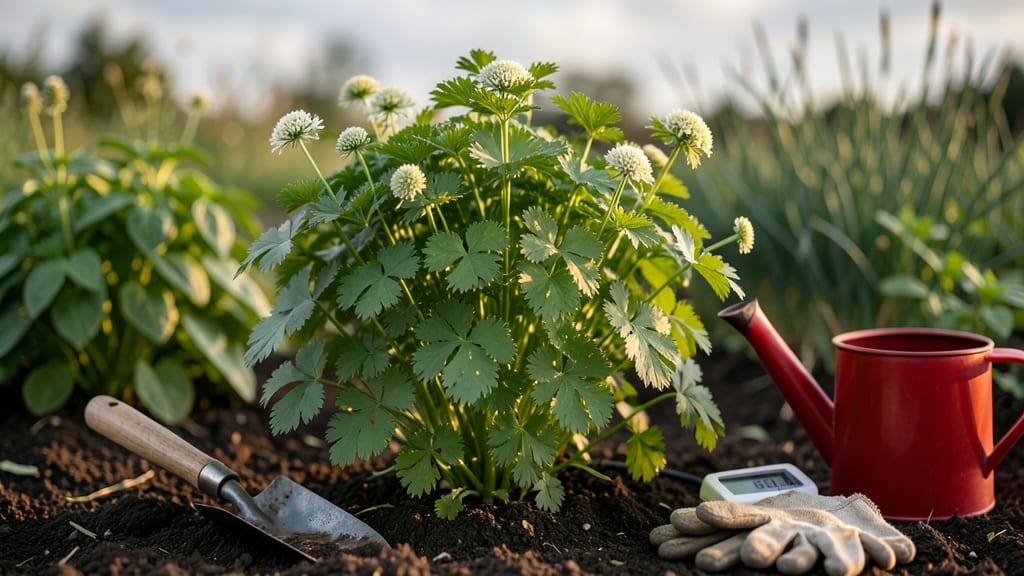
Figuring out when to plant cilantro in Missouri can feel like solving a puzzle—get the timing wrong, and you’ll end up with bitter, bolted leaves instead of fresh, flavorful 🌿 harvests.
Missouri’s climate offers two prime windows for growing cilantro, but the key is knowing exactly when to start seeds or transplants to avoid the dreaded bolting before you even get a chance to use it.
For gardeners in USDA zones 5b-7a, spring planting should begin in late winter, ideally between February and April, while fall planting works best from mid-summer through early September.
The trick is to time it so your cilantro matures before summer’s heat or winter’s frost takes over—neither of which cilantro tolerates well.
In this guide, I’ll break down the exact planting deadlines for both seasons, including how to adjust for Missouri’s microclimates and what to watch for to keep your cilantro thriving.
Whether you’re a first-time gardener or a seasoned green thumb, these tips will help you grow cilantro that stays fresh, flavorful, and ready for your favorite dishes.
You’ll also discover how to stretch your harvest with succession planting and avoid common pitfalls that turn cilantro into a science experiment instead of a kitchen staple. Let’s get those seeds in the ground at the perfect time!
Missouri cilantro planting calendar: exact spring & fall deadlines to avoid bolting
Missouri’s USDA zones 5b-7a create two distinct windows for growing cilantro: a cool spring and a mild fall. The difference between success and bolting often comes down to precise timing—plant too early, and frost zaps your seedlings; too late, and summer heat sends your cilantro racing to flower.
Let’s break down the exact deadlines and soil conditions that keep your cilantro thriving.
For spring planting, aim to start seeds 4-6 weeks before your last frost date. In Missouri, this typically means February to early April, with soil temperatures staying below 80°F.
The last frost date varies by region—St. Louis gardeners can push seeds as early as mid-March, while northern Missouri should wait until late March or April.
Your fall planting window opens after summer’s heat subsides, ideally between mid-July and early September. Seedlings should establish before temperatures drop below 50°F at night, which triggers bolting.
In southern Missouri, you might squeeze in a late fall harvest until mid-October, while northern areas should finish by early October.
📅 Missouri Cilantro Planting Deadlines
| Season | Planting Window | Soil Temp | Key Deadline | Harvest Window |
|---|---|---|---|---|
| Spring | Feb-Apr | 50-75°F | 4-6 wks before last frost | Apr-Jun |
| Fall | Jul-Sep | 60-70°F | Before 50°F nights | Sep-Oct |
⚠️ Missouri Microclimates: St. Louis (Zone 6a) can plant 2 weeks earlier than northern Missouri (Zone 5b).
Missouri’s microclimates play a huge role in cilantro success. For example, St. Louis’s Zone 6a can start spring seeds as early as mid-February, while Zone 5b in northern Missouri should wait until late March.
Similarly, fall planting in southern Missouri might extend until mid-October, while northern areas should finish by early October.
To maximize your chances, use row covers or shade cloth if planting early in spring or late fall. These protect seedlings from late frosts and heat spikes, giving your cilantro the stable conditions it craves.
I’ve found that a 30% shade cloth in summer keeps soil temps ideal for fall plantings.
Another critical factor is soil temperature. Cilantro seeds need soil between 50-75°F to germinate. Use a soil thermometer to check—if temps rise above 80°F, your seeds may rot before sprouting. In Missouri’s heat, consider direct sowing in partial shade or using black plastic mulch to keep roots cool.
For container gardening, cilantro thrives in 5-6 inch pots with drainage. Move containers to cooler spots during midday heat (12-3 PM) to prevent bolting. I’ve had success placing pots under dappled shade trees or on patio covers during summer afternoons.
Remember, cilantro’s ideal harvest window is 30-60 days after planting. If you miss the spring window, don’t despair—fall plantings can still yield flavorful leaves if timed correctly. The key is to start early and harvest often to encourage bushier growth.
With these deadlines and tips, you’ll avoid the bitter bolting that frustrates so many Missouri gardeners. Next, we’ll explore how to extend your harvest with successive planting—stay tuned! 🌱
Missouri cilantro planting calendar: exact spring & fall deadlines to avoid bolting
Missouri’s two planting windows for cilantro are your best bet for avoiding bolting—the sudden flowering that turns your herb into a bitter disappointment. The spring window runs from late winter through early April, while the fall window opens in mid-summer and closes by early September.
Missing these deadlines means risking heat stress or frost damage, both of which cilantro despises.
To pinpoint the perfect timing, focus on soil temperatures and frost dates. Cilantro thrives when soil temps stay below 75°F, so aim to plant when daytime highs hover around 60-70°F.
In Missouri’s USDA zones 5b-7a, this typically translates to March 15-April 15 for spring and August 1-September 15 for fall.
Here’s how these deadlines break down by region, including adjustments for Missouri’s microclimates:
| Region | Spring Planting Deadline | Fall Planting Deadline | Key Consideration |
|---|---|---|---|
| Northern MO (e.g., St. Joseph) | March 20-April 5 | August 15-September 1 | Later frost risk; use row covers |
| Central MO (e.g., Columbia) | March 25-April 10 | August 10-September 10 | Moderate heat; monitor soil moisture |
| Southern MO (e.g., Springfield) | March 15-April 15 | July 30-September 15 | Hotter summers; plant earlier fall |
| St. Louis Area | March 22-April 12 | August 5-September 12 | Urban heat islands; water deeply |
For spring planting, start seeds indoors 4-6 weeks before your last frost date (typically March 15-April 1 for most of Missouri). Transplant seedlings outdoors once soil temps warm to 50°F and nighttime temps stay above 40°F.
If you’re sowing directly, wait until soil reaches 60°F—this usually aligns with mid-to-late March.
Fall planting requires more precision. Sow seeds 8-10 weeks before your first frost (aim for August 1-August 15 in most areas). This gives cilantro enough time to mature before temperatures dip below 50°F.
In southern Missouri, you can push fall planting slightly later, but avoid starting after September 1, or you’ll risk bolting from residual summer heat.
Pro tip: Use a soil thermometer to confirm temps—cilantro won’t germinate well in soil colder than 50°F or hotter than 80°F. If your soil runs hot, opt for shade cloth or drip irrigation to keep roots cool during summer planting.
With these deadlines locked in, you’re one step closer to a continuous cilantro harvest all season long!