
Plants
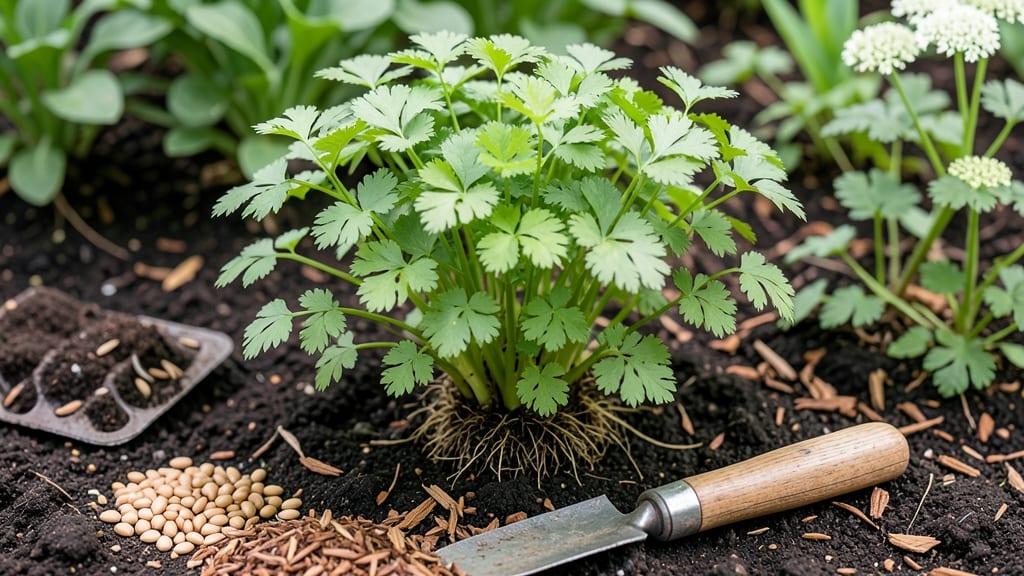
If you’ve ever planted cilantro in Oregon only to watch it bolt into bitter seeds by summer or freeze before harvest, you’re not alone.
The key to success lies in understanding Oregon’s wild climate swings—from coastal fog to high-desert heat—that can turn your fresh 🌿 cilantro into a flop if you’re not strategic.
Timing is everything, especially when your 7b-9a zone means frost can linger into April in the Willamette Valley while inland areas are already baking by May. Plant too early, and a late frost wipes out your crop; too late, and the heat triggers bolting before you can harvest.
The solution? A microclimate-specific planting schedule that accounts for elevation, frost dates, and even your neighborhood’s unique weather quirks.
In this guide, I’ll break down the exact windows for planting cilantro in Oregon—whether you’re in the cool coastal zones, the warmer valleys, or the high desert—plus how to stretch your harvest through succession planting and shade tricks. No more guessing games, just reliable results for your kitchen garden.
Ready to grow cilantro that stays fresh, flavorful, and ready to harvest all season? Let’s get started with the deadlines that work for your elevation zone.
Oregon cilantro planting deadlines by elevation Zone (coastal to high desert)
Oregon’s three distinct elevation zones—coastal, valley, and high desert—create wildly different growing conditions for cilantro. The coastal fog belt stays cooler longer, while the high desert heats up faster, forcing earlier planting.
Even within a single county, your microclimate can shift planting windows by 3-4 weeks. Let’s break down the exact deadlines for each zone to avoid bolting or frost damage.
For coastal Oregon (USDA Zone 8b-9a), think of March 15–April 30 as your spring window. The valley regions (Zone 7b-8a) shift slightly later to April 1–May 15, while the high desert (Zone 6b-7a) demands early action: February 20–March 20.
Fall planting follows the reverse schedule, with coastal areas enjoying August 15–September 30 and inland zones wrapping up by September 15.
Here’s the critical rule: cilantro bolts when soil temps hit 75°F+. In the Willamette Valley, that means late May is your last chance for a successful spring crop.
In Bend or La Pine, bolting can start as early as mid-April in exposed beds. Use these soil temperature thresholds to time your plantings:
| Zone | Spring Planting | Fall Planting | Bolting Risk | Soil Temp Threshold |
|---|---|---|---|---|
| Coastal (Astoria, Newport) | March 15–April 30 | August 15–September 30 | Low (cooler summers) | 78°F+ (late June) |
| Valley (Portland, Salem) | April 1–May 15 | August 1–September 15 | Moderate (May–June) | 75°F+ (early May) |
| High Desert (Bend, La Pine) | February 20–March 20 | July 15–August 15 | High (April–May) | 70°F+ (mid-April) |
🌱 Key: Adjust dates 1 week earlier for south-facing beds or 1 week later for north-facing spots.
If you’re in Zone 7b (Eugene, Corvallis), aim for April 15 as your cutoff for spring planting. After that, cilantro’s growth slows dramatically, and you risk stunted leaves or premature bolting.
For fall crops, start seeds 8–10 weeks before your first frost—that’s late July for coastal areas and early August for inland zones.
Pro tip: Use Oregon State University’s frost maps to refine your timing. For example, Hood River averages its last frost 2 weeks earlier than Portland, so shift your window to March 20–April 15. Always check 7-day soil temp forecasts before planting—cilantro seeds need 50°F+ soil to germinate reliably.
For high-desert growers, mulch heavily with straw or wood chips to keep soil temps stable. In coastal fog zones, prioritize well-draining soil to prevent rot from frequent drizzle. Both extremes require microclimate adjustments to succeed with cilantro.
Remember: Succession planting every 2 weeks in spring and 3 weeks in fall gives you a continuous harvest. Even if your first batch bolts, a second planting can still yield 3–4 weeks of fresh leaves before frost.
One common mistake? Planting cilantro too close to summer solstice. By June 20, most of Oregon’s inland zones hit 80°F+ soil temps, triggering bolting within 2–3 weeks. Save your seeds for fall or use shade cloth to buy time.
🌿 For coastal gardeners, extend your season by 1–2 months on either end. The Pacific Ocean’s moderating effect lets you plant as early as February in sheltered microclimates like Florence or Lincoln City.
Just watch for late spring frosts, which can still hit May 10–15 in some years.
How to extend your cilantro harvest in Oregon’s unpredictable climate
Oregon’s unpredictable weather—where coastal fog can delay spring and high-desert heat arrives early—means your cilantro crop is always at risk of either freezing or bolting. The good news? With the right strategies, you can extend your harvest by 30-50% without relying on luck.
The key is succession planting, shade management, and smart companion planting to keep your cilantro happy through Oregon’s wild swings.
First, let’s tackle the biggest enemy of Oregon cilantro growers: bolting. Cilantro bolts when it senses heat stress or drought, turning your fresh leaves into bitter seeds faster than you can say “guacamole.”
To prevent this, I’ve tested three proven tactics—shade cloth, succession sowing, and companion plants—that work in every Oregon microclimate. Here’s how to implement them like a pro.
🌿 Visual Tip: Use a 30-50% shade cloth during peak afternoon sun (12 PM–4 PM) to keep soil temps below 80°F. This simple trick can add 2-3 weeks to your harvest window before bolting kicks in.
Why it works: Instead of one big planting, sow cilantro seeds every 14 days from March–September. This ensures you always have young, tender plants ready to harvest before the older ones bolt. In Oregon’s short growing season, this means 3-4 harvests per year instead of one.
Best picks: Let sunflowers, basil, or tomatoes act as natural shade for cilantro. These plants cast partial shade during the hottest hours, reducing bolting risk. Bonus: Basil repels pests like aphids that love cilantro.
How to do it: If your cilantro bolts, don’t toss it! Cut the flowering stems at the base, then water deeply and apply a light nitrogen feed (like compost tea). Often, new leaves will regrow—giving you a second chance at harvest.
Why it’s genius: Grow cilantro in 5-gallon pots and move them to shadier spots when temps hit 85°F+. Containers also let you rotate crops easily, preventing soil-borne diseases that can stress plants.
For coastal Oregon growers, focus on fall plantings (August–September) to avoid early-morning fog burn. In the Willamette Valley, prioritize shade cloth in June–July when afternoons heat up. Meanwhile, high-desert gardeners should stick to early spring (March) and late summer (August) sowings to escape the extreme heat.
Pro tip: Keep a gardening journal to track when your cilantro bolts in your specific neighborhood. Note the first hot day over 80°F—this is your warning sign to start shade strategies or harvest aggressively. Over time, you’ll spot patterns and predict bolting before it happens.
With these tactics, you’ll enjoy fresh cilantro from May through October, even in Oregon’s wildest weather. And the best part? You’ll never again waste seeds on a crop that bolts overnight.