
Trees
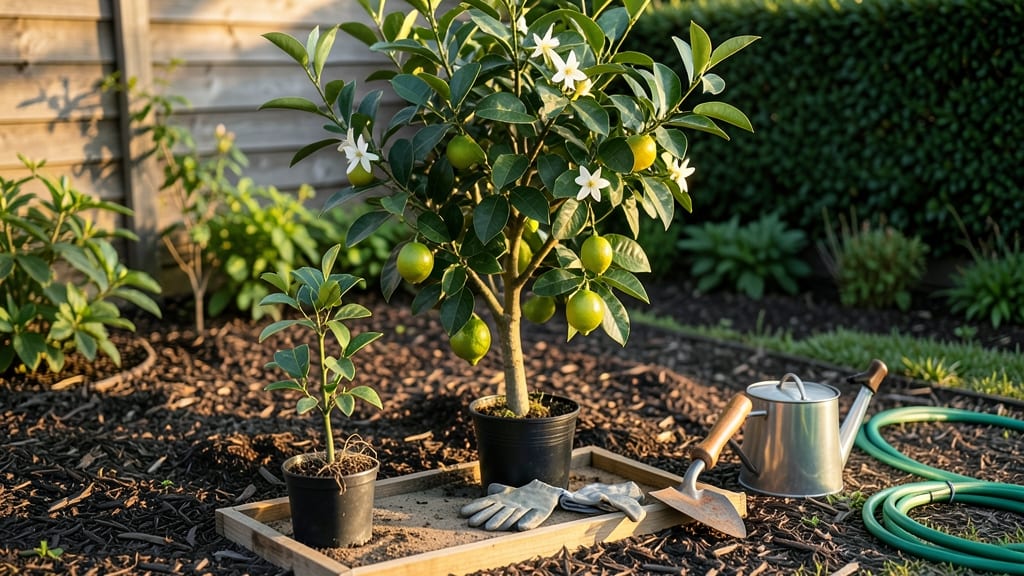
Planting your 🍊 citrus tree at the wrong time in Arizona could mean the difference between a lush, fruit-bearing tree and one that struggles to survive.
The key to success lies in understanding the perfect frost-free window—typically between November and March—when temperatures are cool but not freezing, giving young roots time to establish before summer’s brutal heat arrives.
Why does timing matter so much? Arizona’s microclimates—from the scorching low desert to the cooler high desert—create wildly different conditions.
In USDA Zone 9b, where frost is rare but still possible in January, planting too early can expose your tree to unexpected cold snaps, while waiting too long risks stressing it before summer’s peak growth season.
I’ve seen firsthand how a well-timed planting can transform a citrus tree from a struggling sapling to a thriving year-round producer.
Whether you’re in Phoenix, Prescott, or Flagstaff, the right approach ensures your tree gets off to the best start—with less watering drama, fewer pest issues, and fruit that ripens on schedule.
Ready to set your citrus tree up for success? Let’s break down the exact months to plant based on your Arizona location, plus pro tips to protect it from frost, heat, and everything in between. Your future harvest of juicy oranges and zesty lemons starts with this one crucial decision.
Best planting months for citrus trees in Arizona’s 3 microclimates
Arizona’s diverse climate means your citrus tree’s success hinges on microclimate timing. The state’s three distinct zones—Low Desert, Mid-Elevation, and High Desert—each have unique frost risks and ideal planting windows. Understanding these differences ensures your tree thrives from day one.
For Low Desert areas like Phoenix and Tucson (USDA Zone 10a-11), the best planting window stretches from November through March. These regions rarely see frost, but late-winter rains can waterlog soil if planted too early. Aim for December or January for perfect conditions.
| Microclimate | Best Planting Months | Frost Risk | Soil Prep Tip |
|---|---|---|---|
| Low Desert (Phoenix/Tucson) | November–March | Low (rare below 32°F) | Add compost to improve drainage |
| Mid-Elevation (Prescott/Sedona) | December–February | Moderate (20–30°F possible) | Use windbreaks and mulch heavily |
| High Desert (Flagstaff) | Late February–March | High (below 20°F common) | Plant in containers or sheltered spots |
Mid-Elevation zones like Prescott and Sedona (USDA Zone 8a-9a) demand extra caution. Frost can dip below 28°F by January, so delay planting until December or early February. Choose southern exposures to capture warmth and protect young trees with burlap windbreaks.
In the High Desert (Flagstaff, USDA Zone 7a), frost lingers until mid-March. Wait until late February or March to plant, or opt for container-growing to move trees indoors during cold snaps. Dwarf varieties like ‘Meyer Lemon’ handle these conditions better than standard types.
Regardless of zone, avoid planting in summer. The 100°F+ heat stresses young roots, and monsoon rains can drown them. Instead, plant when temperatures stabilize—typically after Labor Day in most areas.
Soil prep is critical: Test pH (6.0–7.0) and amend with citrus-specific fertilizer before planting. In sandy Arizona soil, mix in 2–3 inches of compost to retain moisture and nutrients.
Pro tip: Container planting extends your window in frost-prone areas. Use 15-gallon pots for dwarf trees and move them to garages or patios when temps drop below 35°F. This flexibility lets you plant as late as April in high-risk zones.
Remember, young trees need 2–3 years to establish deep roots. Planting at the right time ensures they’re frost-hardy by winter, so you can enjoy homegrown citrus for decades. 🌱
How to avoid frost damage: citrus tree planting hacks for Arizona’s unpredictable winters
Arizona’s unpredictable frost can turn a thriving citrus tree into a sad, brown skeleton overnight. Even in USDA Zone 9b, temperatures can dip below 28°F—the threshold where citrus trees start suffering.
The key to protecting your tree isn’t just planting at the right time (which we covered earlier), but also using smart frost-prevention strategies to give it a fighting chance during those rare cold snaps.
I’ve learned the hard way—my first Meyer lemon tree nearly died in January 2021 after a surprise frost. Since then, I’ve mastered a few proven tactics to shield young citrus trees from frost damage, whether you’re in the low desert or high elevations.
Let’s dive into the must-know hacks to keep your tree safe and growing.
⚠️ Critical Mistake: Planting Too Early in High-Risk Zones
Planting citrus trees in October or early November in Flagstaff or Prescott is a gamble—frost can still hit before roots establish. Wait until late November or December in these areas to give your tree a 30-day head start before winter’s chill sets in.
One of the first lines of defense is choosing the right microclimate. If you live in a frost pocket (like valleys or low-lying areas), avoid planting there—citrus trees need warmth and protection.
Instead, opt for south-facing slopes or urban areas where buildings and pavement absorb heat during the day and radiate it back at night, creating a microclimate that’s 5-10°F warmer.
Another game-changer is using windbreaks. Cold air sinks, and wind accelerates frost damage by drying out leaves and lowering temperatures faster. Plant a dense hedge (like oleander or palo verde) or install a temporary windbreak fence on the north and west sides of your citrus tree.
This can add 2-3°F of protection during a frost event.
Mulching is often overlooked but essential for frost protection. Apply a 4-6 inch layer of organic mulch (like wood chips or straw) around the base of the tree but keep it 6 inches away from the trunk to prevent rot.
Mulch acts like a blanket, insulating roots from temperature swings. In extreme cases, you can even pile mulch higher around the base during a frost warning.
For emergency frost protection, cover your tree with frost cloth or old bedsheets (avoid plastic—it traps moisture and can burn leaves). Secure the cover with clips or bricks to prevent wind damage.
If frost is forecasted, water the tree deeply the night before—moist soil holds heat longer and releases it slowly, giving roots a buffer against cold. Just don’t overdo it; soggy roots are just as bad as frost damage.
Finally, consider container planting if your yard is frost-prone. Potted citrus trees are easier to move indoors or to a garage during cold snaps. Use a large pot (at least 15 gallons) for stability and fill it with well-draining citrus mix.
When frost threatens, roll the tree to a sheltered spot or wrap it in bubble wrap for extra insulation.