
Trees
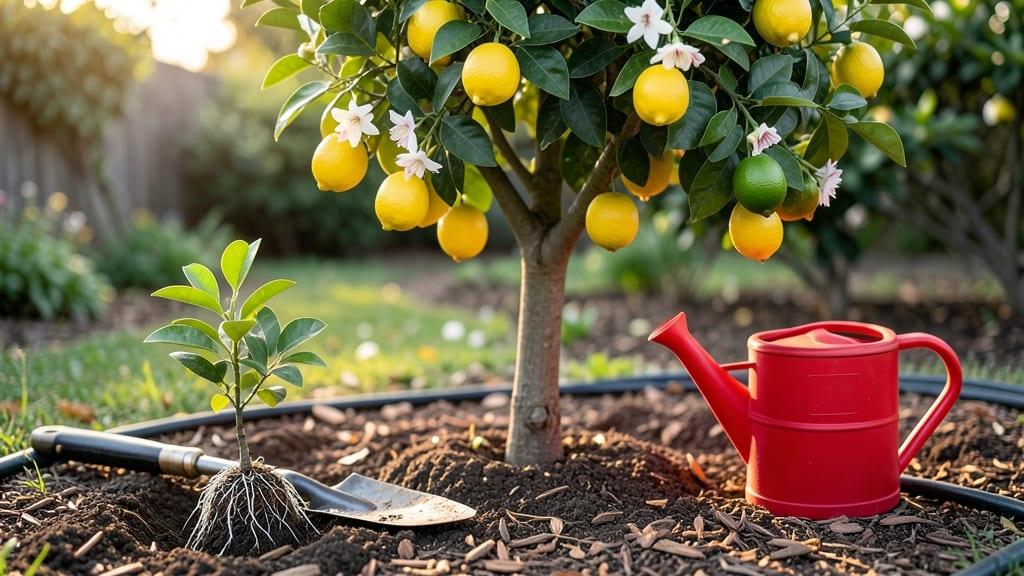
If you're dreaming of a backyard bursting with fresh 🍊 citrus trees, the best time to plant citrus trees in Zone 9 could make all the difference between a thriving orchard and a sad, stunted investment.
Zone 9 gardeners have a unique advantage—no frost to worry about—but that doesn’t mean you can plant anytime. The secret lies in those early months when roots wake up hungry for growth, setting the stage for years of juicy harvests.
Most gardeners assume spring is the only option, but the truth is more precise. Planting your citrus trees in late winter to early spring—specifically between February and April—gives them the perfect head start.
This window aligns with natural rainfall patterns and soil warmth, helping roots establish before summer’s intense heat arrives. Skip this timing, and you might end up with a tree struggling to catch up.
Here’s the game-changer: coastal Zone 9 areas can stretch planting into May, while inland spots should aim for February or March. The key is preparing your soil and microclimate to match your tree’s needs.
I’ll walk you through the exact steps to ensure your citrus trees take root like a pro—no guesswork, just results.
Ready to turn your yard into a citrus paradise? Let’s dive into the science-backed months and care tips that’ll have your trees bearing fruit in no time.
Best planting months for citrus trees in Zone 9: science-backed timing
In Zone 9, citrus trees like lemon, orange, and lime can be planted year-round—but timing matters more than you think. The ideal window is late winter to early spring (February to April), when soil temperatures rise and rain replenishes moisture.
This gives roots 6-8 weeks to establish before summer heat peaks.
Why? Citrus roots thrive at 60-75°F—too hot or too cold slows growth. Planting in March or April aligns with natural rainfall patterns in most of Zone 9, reducing the need for extra watering.
Coastal areas (like San Diego) can plant slightly earlier (February), while inland desert zones (like Phoenix) should wait until April.
Here’s the science: Citrus trees enter a dormancy-like state in extreme heat or cold. Planting outside the optimal window forces them to stress-adapt instead of focusing on root growth.
For example, a tree planted in June may spend its first year fighting heat stress rather than developing a strong root system.
Pro tip: If you miss the spring window, fall planting (October-November) is your second-best option—just ensure soil stays above 55°F for 4+ weeks post-planting. Avoid summer planting unless you’re in a coastal microclimate with consistent humidity.
Microclimates play a huge role in Zone 9. For example, San Diego’s coastal areas can plant as early as January thanks to ocean breezes that moderate temperatures. In contrast, inland valleys like the Coachella Valley should delay until April to avoid 100°F+ soil temps that shock roots.
Another key factor is root flare exposure. In Zone 9’s hot summers, planting too deep can cause the graft union (where the rootstock meets the scion) to suffocate. Always plant so the root flare sits 1-2 inches above soil level—this prevents rot and encourages upward growth.
For container-grown citrus (like dwarf Meyer lemons), timing is flexible year-round, but spring planting still gives the best start. Just ensure your pot has drainage holes and use a well-draining cactus/succulent mix to prevent root rot in Zone 9’s occasional monsoon downpours.
Remember: Citrus trees in Zone 9 can live for decades if planted correctly. Taking the extra time to choose the right window now means years of trouble-free fruit production later. Your future homegrown oranges will thank you!
How to prepare your citrus tree for Zone 9 planting: soil, location & pre-planting care
Before you dig that hole for your new citrus tree, proper preparation is the secret to strong root establishment and long-term fruit production. Zone 9’s warm climate means citrus trees can grow year-round, but soil quality and microclimate conditions make all the difference.
Let’s break down the essential prep steps to ensure your tree thrives from day one.
Start with well-draining soil—citrus trees hate soggy roots. If your soil is heavy clay, amend it with compost or coarse sand to improve aeration. Aim for a slightly acidic pH (6.0-7.0), which you can test with a simple soil kit.
Most Zone 9 soils lean alkaline, so you may need to mix in sulfur or peat moss to adjust the pH before planting.
Your citrus tree’s location is critical. Choose a spot with full sun exposure (6+ hours daily), but protect it from hot afternoon winds that can scorch leaves. Coastal areas in Zone 9 often have milder microclimates, while inland spots can get intense heat.
If you’re near the coast, a slightly shaded afternoon spot works, but inland plantings need unfiltered sun.
Poor drainage is the #1 killer of citrus trees in Zone 9. If water pools after heavy rains, your tree will suffer from root rot. Always plant on a slight mound (6-12 inches high) to encourage runoff.
If you’re planting a nursery-grown citrus tree, harden it off for 7-10 days before planting. Gradually expose it to direct sunlight and wind to reduce transplant shock. Prune any damaged roots with clean shears and trim back overly long roots to encourage a stronger root ball.
Finally, mulch around the base with 2-3 inches of organic mulch (like wood chips) to retain moisture and regulate soil temperature. Keep the mulch 6 inches away from the trunk to prevent rot. This step is especially important in hot Zone 9 summers when soil can dry out quickly.
With these prep steps, your citrus tree will have the perfect foundation for healthy growth and abundant fruit. Now it’s time to plant—just remember, timing matters just as much as prep! 🌱