
Plants
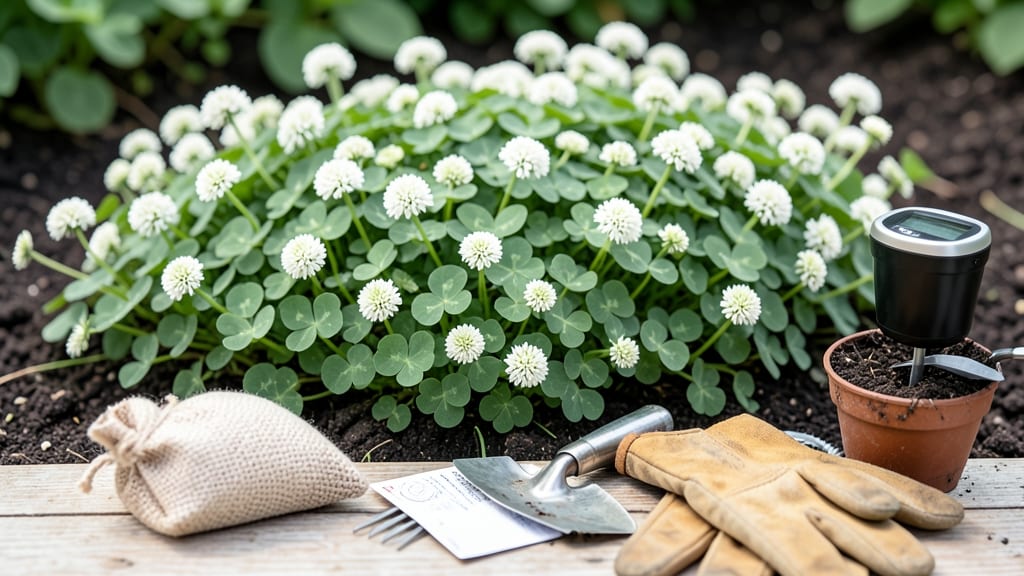
Timing your clover planting in Iowa can make the difference between a vibrant, weed-resistant lawn and a patchy disappointment. With Iowa’s 4b-5b climate, getting the window right—whether it’s early spring or fall—is the key to success.
Clover isn’t just pretty; it fixes nitrogen in the soil, supports pollinators, and outcompetes weeds, but only if you plant it when conditions are ideal.
Most gardeners assume spring is the only option, but fall planting often gives clover a head start. The secret lies in avoiding Iowa’s late frosts (around April 15) and giving seeds time to establish before winter.
Whether you’re seeding a cover crop, pasture, or lawn, the right timing ensures your 🌱 thrives year-round. Let’s break down the best months and why one season might work better for your specific goals.
You might be surprised to learn that Iowa’s soil temperatures play a bigger role than you think. Planting too early in spring risks frost damage, while waiting too long in fall can leave your clover vulnerable to winter stress.
I’ll walk you through the exact windows—plus soil prep tips—to maximize your clover’s potential, whether you’re aiming for a lush lawn or a high-yield forage crop.
Ready to transform your yard into a clover haven? The right planting strategy saves you time, money, and frustration. Stick around to discover how to time it perfectly for Iowa’s unique growing conditions—and why fall might just be your best bet for a thicker, longer-lasting lawn.
Best planting times for clover in Iowa: spring vs fall breakdown
Timing your clover planting in Iowa isn’t just about picking a month—it’s about aligning with the soil temperature, frost dates, and rainfall patterns that define the state’s growing seasons.
Most gardeners in Iowa’s USDA zones 4b-5b get the best results by planting either in early spring or early fall, but each window offers unique advantages (and pitfalls).
Iowa’s last frost date typically falls around April 15, while the first frost often hits by October 15. These dates create a narrow window for planting—too early, and seedlings risk frost damage; too late, and summer heat can stress young plants.
Understanding these climate triggers is key to avoiding common mistakes like sparse establishment or weed competition.
| Factor | Spring Planting (March–April) | Fall Planting (August–September) |
|---|---|---|
| Best Months | Late March–Mid-April | Late August–Early September |
| Soil Temperature | 45–55°F (7–13°C) | 60–70°F (15–21°C) |
| Frost Risk | Moderate (late frosts possible) | Low (4–6 weeks before first frost) |
| Establishment Time | 6–8 weeks | 4–6 weeks |
| Water Needs | High (consistent moisture) | Moderate (cooler temps reduce evaporation) |
| Weed Competition | High (spring weeds emerge early) | Low (weeds dormant in fall) |
| Best For | Fast ground cover, early-season bloom | Hardier plants, fewer pests, winter survival |
Spring planting in Iowa gives you a head start on establishing clover ground cover before summer heat sets in. Aim for late March to mid-April, once soil temperatures consistently reach 45–55°F (7–13°C).
This window ensures seedlings aren’t shocked by late frosts, which can still occur in Iowa’s northern regions. However, spring planting demands vigilant weed control—Iowa’s spring weeds like chickweed and dandelions germinate early and can outcompete young clover.
Fall planting, on the other hand, is often the preferred method for Iowa gardeners because it allows clover to establish roots before winter. Plant 4–6 weeks before the first frost (typically late August to early September), when soil is still warm but air temperatures begin to cool.
This timing reduces water stress and pest pressure, giving clover a stronger start. Fall-planted clover also benefits from cooler temperatures, which slow weed growth and give your clover a competitive edge.
If you’re planting white clover for lawns, spring is ideal for quick establishment, while red clover (often used for forage or honey production) thrives better with a fall planting. Alsike clover, a lesser-known variety, can handle both windows but prefers the cooler fall soil.
Regardless of the season, always test your soil pH—Iowa’s clay-heavy soils often need lime to reach the optimal pH of 6.0–7.0 for clover.
One common mistake Iowa gardeners make is planting too early in spring when soil is still cold and wet. This leads to seed rot or poor germination. Conversely, planting too late in fall risks seedlings not rooting deeply before frost.
To avoid these pitfalls, use a soil thermometer—clover seeds need consistent warmth to sprout. In urban lawns, where soil can dry out faster, consider a light mulch to retain moisture during establishment.
For rural pastures, where clover is often planted as a cover crop, fall planting is almost always better. The cooler fall temperatures help clover outcompete cool-season grasses, and the nitrogen-fixing benefits carry over into the next growing season. If you’re seeding for h
Best planting times for clover in Iowa: spring vs fall breakdown
Iowa’s USDA Zones 4b-5b create a unique challenge for clover growers—cool springs and early frosts demand precise timing. The last frost date (around April 15) and first frost (about October 15) bookend your planting windows.
Missing these can leave your clover struggling to establish before winter or summer heat.
Most gardeners in Iowa focus on two planting windows: early spring (March–April) and early fall (August–September). Each has distinct advantages. Spring planting gives clover time to establish before summer, while fall planting allows roots to grow before winter dormancy. Let’s break down which works best for your goals.
🌱 Comparison Table: Spring vs Fall Planting for Clover in Iowa
| Factor | Spring Planting (March–April) | Fall Planting (August–September) |
|---|---|---|
| Best For | Fast summer coverage, honey production | Hardier plants, fewer weeds next spring |
| Soil Temp | 50–60°F (ideal for germination) | 60–70°F (roots establish before cold) |
| Weed Competition | High (weeds germinate first) | Low (cooler temps slow weeds) |
| Establishment Time | 6–8 weeks (risk of summer drought) | 4–6 weeks (roots harden before frost) |
| Best Variety | White clover (fast-growing) | Red clover (hardier, deeper roots) |
For lawns and pollinator gardens, fall planting often wins because cooler temps reduce weed competition and give clover time to develop strong roots. However, if you’re growing clover for honey production or summer forage, spring planting ensures blooms align with peak bee activity.
Iowa’s northern regions (like Sioux City) benefit from slightly later spring planting (April) due to colder soils, while southern areas (like Ottumwa) can start as early as late March. Always check your local frost dates—planting too early risks frost damage, while waiting too long leaves gaps for weeds.
Pro tip: If you miss the ideal window, late summer (July) is a backup for fast-growing white clover, but expect slower establishment before winter. For best results, mark your calendar for late August to early September—this gives clover a head start before Iowa’s first frost.