
Plants
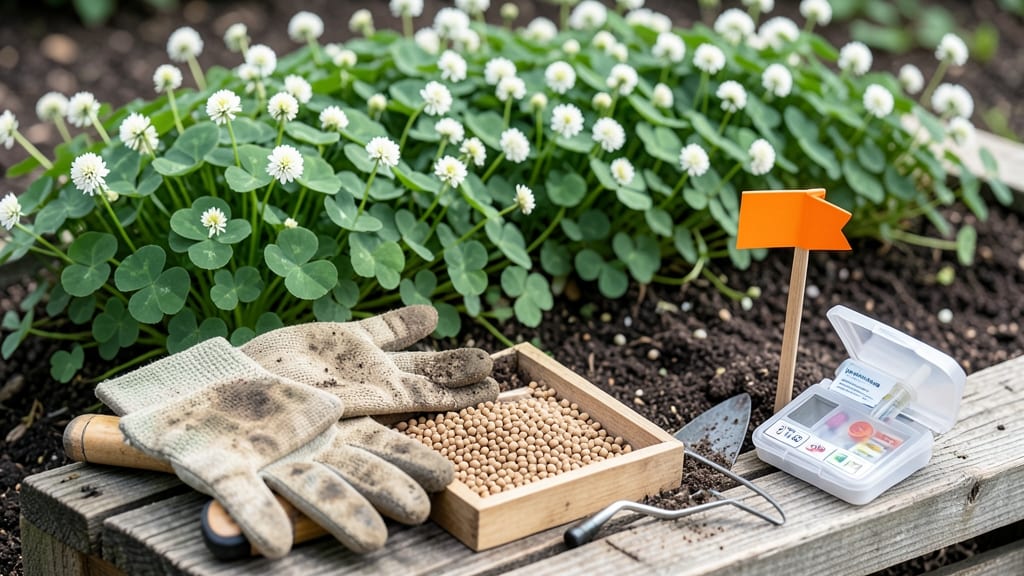
Timing your clover planting in Maryland can make the difference between a lush, nitrogen-rich ground cover and a patchy, struggling mess. Maryland’s varying microclimates—from the humid Coastal Plain to the cooler Appalachian foothills—mean what works in one county might fail just 50 miles away.
If you’re planting 🌱 clover for soil improvement, forage, or pollinator support, getting the timing right is critical. Whether you’re in USDA Zone 6a-7b or a warmer pocket near the Chesapeake, the ideal windows are early spring (March-April) or early fall (September-October).
But here’s the catch: Piedmont clay soils and Eastern Shore heat stress demand different prep strategies.
I’ll break down exactly when to plant in your county—plus soil tips to ensure your clover thrives. No more guessing whether your white, red, or Dutch clover will take root or wither. Let’s get your cover crop off to the best start.
Ready to transform your lawn or pasture? The first step is knowing your local frost dates—and I’ve got the Maryland-specific details you need.
Maryland county-by-county planting timeline for clover success
Maryland’s 5 distinct regions create wildly different planting windows for clover. The Coastal Plain (like Somerset County) enjoys earlier springs, while the Appalachian foothills (like Garrett County) face later frost dates.
Even within the Baltimore-Washington Metro, urban heat islands can shift planting by 2-3 weeks compared to rural areas.
For white clover and red clover, aim for early spring (March-April) or early fall (September-October). Dutch clover, however, thrives with late summer sowing (August) to establish before winter.
Maryland’s USDA Zones 6a-7b mean frost dates vary—Coastal areas average mid-April last frost, while mountain regions may see frost until May 15.
Here’s how to align your planting with Maryland’s microclimates for maximum success:
| Region | Counties | Last Frost Date | Best Planting Window | Soil Prep Tip |
|---|---|---|---|---|
| Eastern Shore | Worcester, Somerset, Dorchester | March 15-April 1 | March 1-15 (spring) or September 15-30 (fall) | Amend sandy soils with compost; test pH (ideal: 6.0-7.0) |
| Coastal Plain | Calvert, Charles, St. Mary’s | March 20-April 5 | March 10-25 or September 1-15 | Avoid waterlogged areas; improve drainage with gypsum |
| Piedmont | Frederick, Montgomery, Howard | April 1-15 | April 1-15 or September 10-25 | Break up clay-heavy soils with sulfur or lime |
| Appalachian | Allegany, Garrett, Washington | May 1-15 | May 1-15 or August 15-September 10 | Use mulch to retain moisture in rocky soils |
| Baltimore-Washington Metro | Baltimore City, Anne Arundel, Prince George’s | April 1-10 | March 20-April 5 or September 1-15 | Test for compacted urban soil; aerate before planting |
For spring planting, seed 2-3 weeks after last frost when soil temps hit 50°F. In fall, plant 4-6 weeks before first frost to allow roots to establish. White clover germinates fastest in 60-70°F soil, while red clover prefers 55-65°F—perfect for Maryland’s April-May or September-October windows.
Maryland’s humid summers can stress clover if planted too late. In Coastal Plain counties, avoid June planting—heat and humidity slow germination. Instead, opt for late August to catch fall rains. Appalachian counties with cooler nights can push planting to early June for Dutch clover.
Soil preparation is critical. Maryland’s clay-heavy Piedmont soils need gypsum to improve drainage, while sandy Coastal Plain soils benefit from compost amendments.
Test your soil’s pH (6.0-7.0 ideal)—lime raises pH, while sulfur lowers it. Organic matter (3-5%) boosts water retention for drought-prone areas like Western Maryland.
After planting, keep seeds moist but not soggy. Maryland’s variable rainfall means drip irrigation or soaker hoses work best. Mulch lightly (straw or shredded leaves) to retain moisture and suppress weeds. Avoid thick mulch—it can smother clover seedlings.
Monitor for deer and rabbit pressure, especially in rural counties. Use deer-resistant varieties like Dutch white clover or apply repellent sprays after planting. In urban areas, watch for compacted soil from foot traffic—
How to choose the right clover variety for Maryland’s microclimates
Maryland’s diverse climate means not all clover varieties thrive equally. White clover handles Piedmont’s clay-heavy soils better than red clover, while Dutch clover excels in lawn mixes across the Baltimore-Washington Metro area. Your choice depends on your goals: soil improvement, pollinator support, or deer-resistant ground cover.
Let’s match your Maryland county’s conditions to the best clover type. Sunlight exposure, soil drainage, and even deer pressure play pivotal roles. For example, Eastern Shore gardeners need drought-tolerant varieties, while Appalachian foothills benefit from cold-hardy options.
I’ll walk you through the pros and cons of each variety so you can make an informed decision.
🌱 Clover Variety Comparison for Maryland
White clover is my top recommendation for most Maryland gardeners. Its drought tolerance makes it ideal for the Eastern Shore, while its ability to thrive in partial shade suits Appalachian gardens. Plus, it’s deer-resistant, which is a game-changer in rural counties like Garrett or Allegany.
If you’re focusing on soil health, red clover is unbeatable. Its deep taproots break up Piedmont clay while adding nitrogen to your soil. However, it’s short-lived (2-3 years), so plant it as a cover crop rather than a permanent ground cover.
For urban lawns in Baltimore or Annapolis, Dutch clover is a low-maintenance choice. It stays compact and handles foot traffic better than other varieties. Just be prepared to mow it more often to keep it from spreading too aggressively.
Pro tip: Mix varieties for year-round benefits. For example, plant white clover in spring and red clover in fall to ensure continuous nitrogen fixation and pollinator support throughout the year. 🌿