
Plants
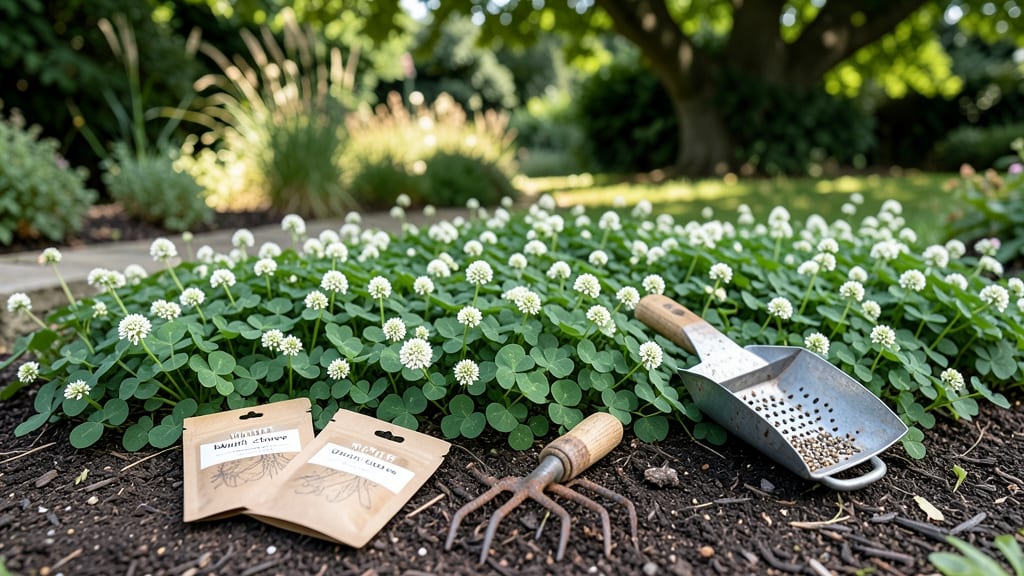
Timing your clover planting in Utah isn’t just about the calendar—it’s about beating the state’s tricky frost dates and microclimates that can turn your seeds into a hit-or-miss experiment.
Whether you’re in the High Desert’s dry heat or the Wasatch Front’s cooler valleys, getting those seeds in the ground at the right moment means the difference between lush, nitrogen-rich soil and a patchy, struggling lawn.
Most Utah gardeners swear by spring planting (March–April) after the last frost, but fall (September–October) can work too—if you play it smart. The key? Understanding your USDA zone (5-7 for most of Utah) and adjusting for elevation.
Skip the guesswork and plant when soil temps hit 50°F, because clover won’t germinate in cold, damp earth. Let’s break down the exact windows for your corner of the state.
You might think clover is low-maintenance, but Utah’s unpredictable weather—late frosts, sudden heat waves—can derail even the most patient gardener. That’s why I’ll show you how to time your planting like a pro, including backup dates and soil prep tricks to ensure your 🌱 clover takes root strong.
No more wasted seed packets or disappointed blooms.
Ready to transform your yard into a thriving ecosystem? By the end of this guide, you’ll know exactly when to plant for year-round benefits—whether you’re growing it for pollinators, soil health, or just a green carpet. Let’s get started.
Utah’s best planting windows for clover by microclimate Zone
Utah’s microclimates create wildly different growing conditions—what works in St. George (Zone 8) fails in Salt Lake City (Zone 6). To nail your clover planting, match your elevation and last frost dates to these proven windows.
I’ve broken it down by Utah’s 4 key zones so you can plant with confidence.
For High Desert areas (e.g., Price, Duchesne), aim for late March to early April—soil temps hit 50°F+ by then. In Wasatch Front (e.g., Salt Lake City, Provo), wait until mid-April when frost risk drops below 10%.
Alpine zones (Park City, Heber) push planting to late April or early May to avoid late snows.
🌱 Utah Clover Planting Schedule by Zone
| Zone | Spring Planting | Fall Planting | Soil Temp Threshold | Last Frost Date |
|---|---|---|---|---|
| High Desert (Zones 5-6) | Late March–Early April | Mid-September–Early October | 50°F+ | March 30–April 15 |
| Wasatch Front (Zones 6-7) | Mid-April–Early May | Late September–Mid-October | 55°F+ | April 15–May 1 |
| Alpine (Zones 5-6) | Late April–Early May | Early September–Mid-September | 50°F+ | May 1–May 15 |
| Southern Utah (Zones 7-8) | February–March | November–December | 45°F+ | February 15–March 15 |
📌 Pro Tip: Test soil moisture before planting—clover seeds need consistent dampness to germinate. Use a moisture meter or dig 2 inches deep.
Fall planting in Utah works best 4–6 weeks before first frost. For Wasatch Front, that’s late September; in Southern Utah, you can push it to November.
The key is getting seeds in while soil stays above 45°F—cooler temps help clover establish roots before winter dormancy.
If you’re in Zone 8 (St. George), you can even plant clover in December for early spring blooms. Just cover seeds with straw mulch to protect from freeze-thaw cycles. I’ve seen White Dutch clover thrive when planted this way—it’s a Utah gardener’s secret weapon.
For high-elevation gardens (above 7,000 feet), consider staggered planting. Sow half your seeds in late April and the rest in early June to extend the blooming season. This mimics Utah’s unpredictable weather and ensures continuous nitrogen fixation for your soil.
One common mistake I see? Planting too early in cold, wet springs (like 2019’s late frost in Salt Lake). Wait until soil temps stabilize—use a soil thermometer to confirm 50°F+ at 2-inch depth. Patience here means faster germination and healthier stands.
Utah’s arid climate demands extra prep. Before planting, amend soil with compost or aged manure to retain moisture. I mix in 1 inch of compost per square foot—this helps clover outcompete weeds in Utah’s dry conditions. Mulch lightly with straw to lock in humidity.
Don’t overlook overseeding in established lawns. For Wasatch Front, spread clover seed in early October when temperatures drop but soil stays warm. This gives roots time to anchor before winter. I’ve restored bare patches in my Park City lawn using this trick—now it’s lush and bee-friendly.
For container gardening, Utah’s
Top 3 clover varieties for Utah’s climate and their ideal planting times
Utah’s dry climate and variable elevations make choosing the right clover variety critical. Not all clovers thrive equally—some handle Utah’s low humidity and intense sun better than others. Here’s how to pick the perfect match for your garden.
Crimson clover is my top recommendation for Utah gardens. It tolerates drought conditions and hot summers, making it ideal for the state’s high-desert regions. Its deep roots also help prevent erosion on slopes.
White Dutch clover is another winner, especially for lawn mixes or pollinator gardens. It handles Utah’s cool springs and warm falls beautifully, but watch for overwatering—it’s less drought-tolerant than Crimson.
Alsike clover is a good choice for higher elevations (like Park City or Moab) where soils are cooler. It’s more shade-tolerant but struggles in Utah’s hottest valleys like St. George.
| Variety | Best Utah Zone | Ideal Planting Time | Key Advantage |
|---|---|---|---|
| Crimson Clover | High Desert, Southern Utah | March–April or Sept–Oct | Drought-resistant, deep roots |
| White Dutch Clover | Wasatch Front, Mid-Elevation | April–May or Aug–Sept | Fast-growing, pollinator-friendly |
| Alsike Clover | Alpine, Northern Utah | May–June or July–Aug | Shade-tolerant, cold-hardy |
Timing matters just as much as variety. For Crimson clover, I plant in early spring (March–April) to beat Utah’s late frosts or in late summer (September) for fall growth. White Dutch needs slightly warmer soil, so I wait until mid-April or August.
Alsike clover is the most flexible—it handles Utah’s cool mountain springs, so I plant it as late as June in high-elevation areas. Staggering plantings (e.g., March + September) ensures continuous blooms for pollinators year-round.
For best results, always test soil pH (clover prefers 6.0–7.0) and mix in compost before planting. Utah’s alkaline soils often need a boost to support clover’s nitrogen-fixing roots.
🌱