
Plants
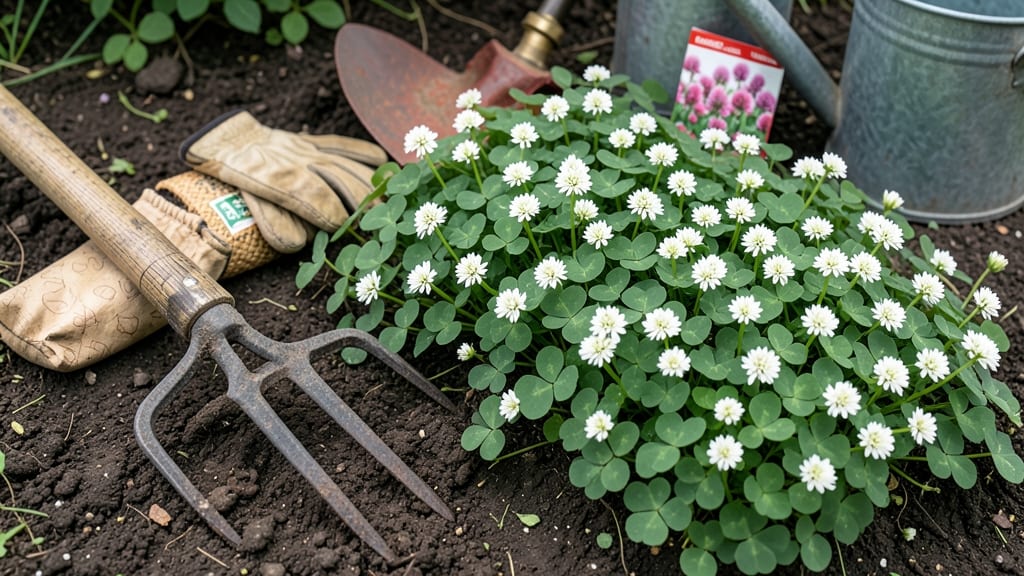
Planting clover in Washington State at the wrong time can mean the difference between a lush, thriving cover crop and a failed patch of struggling plants.
The best months to plant—March-April or September-October—depend on your USDA zone, whether you're in 6b Spokane or 8b Seattle, and how quickly your soil warms.
Clover 🌱 thrives when soil reaches 50°F, but planting too early risks frost damage, while waiting too late can stunt growth before winter sets in. I’ll break down the exact timing for your region, plus how to adjust for microclimates like coastal dampness or inland dryness.
Whether you're fixing soil, preventing erosion, or improving pasture quality, getting the timing right is the key to success. Let’s dive into the best strategies to ensure your clover takes root strong and grows healthy all season.
From choosing the right variety (white, red, or alsike) to avoiding common mistakes like overwatering or poor soil prep, you’ll learn how to set your clover up for lush growth—no matter where you are in the state.
Ideal planting months for clover in Washington by USDA hardiness Zone
Washington State spans USDA Zones 6b through 8b, creating dramatic differences in frost dates and growing seasons. In Zone 6b (Spokane, Wenatchee), clover thrives when planted after April 15 to avoid late frosts, while Zone 8b (Seattle, Portland) gardeners can start as early as mid-March.
These windows ensure seedlings establish before summer heat or winter dormancy sets in.
For most of Washington, the two best planting windows are early spring (March-April) and late summer/fall (September-October). Spring plantings give clover 6-8 weeks of warm weather to root deeply before summer dormancy, while fall plantings allow 4-6 weeks of growth before winter.
Coastal areas like Olympia and Bellingham can extend fall planting into mid-November due to milder winters.
Key frost-free benchmarks dictate timing: Plant white clover (hardy to 15°F) 2-3 weeks after your last frost date, while red clover (hardy to 20°F) needs 4-6 weeks of warm soil. Use your local first frost date as a guide—plant 6-8 weeks before to ensure establishment.
Here’s how Washington’s zones break down for optimal clover planting, including microclimate adjustments:
| USDA Zone | Regions in WA | Spring Planting Window | Fall Planting Window | Soil Temp Requirement |
|---|---|---|---|---|
| 6b | Spokane, Wenatchee, Pullman | April 15–May 15 | September 1–15 | 50°F+ |
| 7a | Yakima, Moses Lake | March 30–April 30 | September 15–October 1 | 50°F+ |
| 7b | Olympia, Central WA | March 15–April 15 | October 1–15 | 45°F+ |
| 8a | Seattle, Tacoma | February 28–March 31 | October 15–November 1 | 40°F+ |
| 8b | Portland (OR), Vancouver | February 15–March 15 | November 1–15 | 38°F+ |
Notice how cooler inland zones (6b-7a) have later spring planting windows due to higher frost risk, while coastal zones (7b-8b) can plant earlier.
For white clover, aim for soil temps above 50°F—use a soil thermometer to confirm. Red clover, which germinates faster, can tolerate slightly cooler soil (45°F+) but grows best above 55°F.
In Zone 6b, where winters are harsh, fall planting is riskier—seedlings may not establish before frost. Instead, opt for early spring and use mulch (straw or leaves) to protect young plants.
Coastal gardeners in Zone 8b can push fall planting into November, but avoid planting after October 15 in inland areas to prevent winterkill.
Timing also depends on your clover variety. Alsike clover, a cold-hardy perennial, can handle Zone 6b winters if planted by September 1, while
How to adjust planting time for Washington’s microclimates and soil types
Washington’s microclimates create challenges for clover growers. Coastal areas like Seattle (Zone 8b) enjoy milder winters, while inland Spokane (Zone 6b) faces harsher frost. Adjust planting by 2-4 weeks earlier in inland zones to avoid late spring frosts that can kill young seedlings.
For sandy soils common in Eastern WA, plant white clover in early April to capitalize on spring moisture before summer drought sets in. In clay-heavy soils like those in Western WA, September planting works best—soil stays cooler longer, reducing heat stress on roots.
Irrigation limitations? Choose drought-tolerant varieties like Alsike clover and plant in late fall (October-November) to establish roots before summer dry spells. These clovers thrive with minimal watering once established.
🌱 Signs of poor timing include yellowing leaves (too late in fall) or stunted growth (planted too early). If you miss the ideal window, cover seedlings with frost cloth in spring or mulch heavily in fall to protect roots during cold snaps.
Here’s how to salvage late spring plantings (May-June): Use a shade cloth to reduce heat stress and water deeply twice weekly until roots establish. For early fall plantings (August), prioritize well-draining soil to prevent waterlogging before winter.
💧 Soil temperature is your best guide. Use a soil thermometer—plant when soil reaches 50°F (10°C). In Zone 6b, this typically means mid-April for spring or early September for fall. In Zone 8b, extend fall planting to mid-October.
🚨 Warning: Planting white clover in late May risks summer heat stress in inland zones. Instead, opt for red clover, which handles heat better, or delay until September for a second planting window.
⚠️ Late Planting Risks in Washington
Zone 6b (Eastern WA): Planting after May 15 risks frost damage to young clover. Zone 8b (Coastal): Planting after October 15 may not establish roots before winter rains.
Solution: Use frost cloth for spring plantings or mulch heavily in fall to protect roots. For late plantings, choose heat-tolerant varieties like Dixie white clover.