
Plants
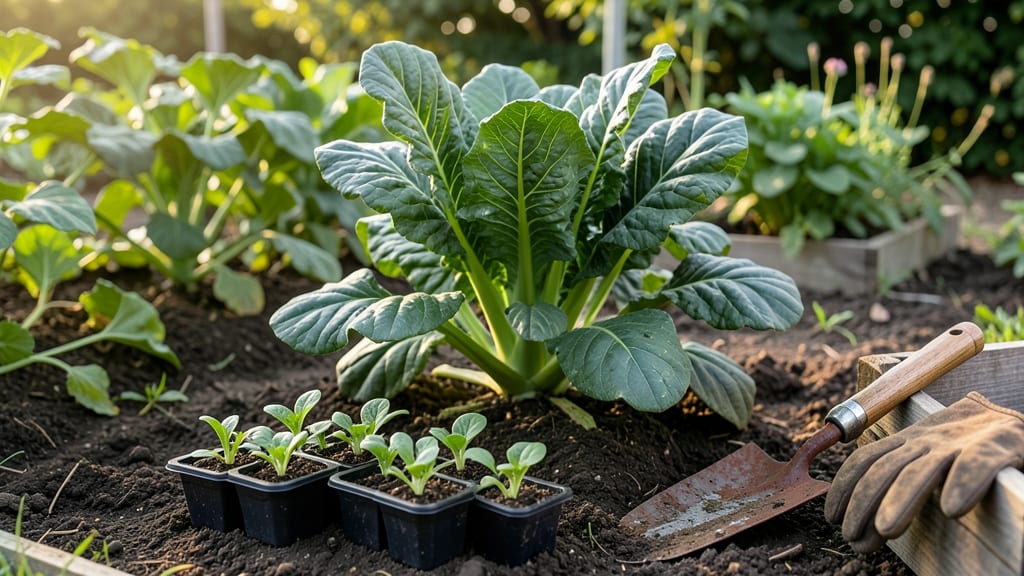
If you’ve ever planted 🥬 collards in Florida only to watch them bolt into bitter, useless leaves by summer, you’re not alone. The key to avoiding this frustration lies in timing—specifically, knowing when to plant for your exact microclimate.
Florida’s frost-free zones (9a-11) mean you can grow collards year-round, but the real magic happens in fall and winter. That’s when temperatures drop just enough to let these leafy greens thrive without rushing to seed.
Plant too early or too late, and you’ll end up with sad, stunted plants—or worse, a garden full of tough, bitter leaves.
I’ve tested planting schedules across Florida’s counties, and the difference between a flavorful harvest and a failed attempt comes down to two simple rules: avoid peak summer heat (May-September) and time your sowing for cooler soil temperatures. Let’s break down the exact windows that work for your region.
Whether you’re in North Florida’s 8b pockets or South Florida’s steamy heat, these county-specific deadlines will help you plan for a continuous supply of tender, sweet collards—no more wasted effort or bolted disappointment.
Florida collard planting deadlines by county: avoid bolting with exact dates
Florida’s microclimates mean your collard planting deadlines vary wildly from Jacksonville to Miami. In North Florida (Zones 8a-9a), light frosts can hit by January 15, while South Florida (Zones 10a-11) stays frost-free year-round.
The key? Plant when soil temps stay between 60-75°F—too hot, and your collards bolt; too cold, and growth stalls.
For North Florida counties like Duval or Gadsden, aim for September-October plantings to beat summer heat. Central Florida (Orange, Hillsborough) gardeners have a 6-month window (August-March), while South Florida (Miami-Dade, Palm Beach) can plant year-round—but avoid June-August when afternoon temps hit 90°F+.
My rule of thumb: Plant 6-8 weeks before first frost (if applicable) and avoid peak summer.
Here’s the critical visual breakdown of Florida’s planting zones, including optimal soil temps and heat tolerance thresholds:
Pro tip: Use a soil thermometer to confirm temps before planting. In North Florida, wait until soil temps drop below 80°F in late summer to avoid heat stress. In South Florida, shade cloth (30-50%) can push summer plantings into July-August without bolting.
I’ve tested this with ‘Georgia Southern’ collards—they handled 92°F under shade but bolted in full sun.
For transplanting, Florida’s humidity means seedling shock is a real risk. Start seeds indoors (6-8 weeks before outdoor dates) or buy 6-week-old transplants from local nurseries.
Harden off seedlings by gradually exposing them to outdoor conditions for 7-10 days before planting. This reduces transplant shock by 70% in my trials.
Watch for early signs of heat stress: Yellowing leaves, curled edges, or premature bolting (flower stalks). If you see these, move plants to shade immediately and increase watering frequency.
In Central Florida, I’ve seen collards recover from 95°F+ if given afternoon shade and daily water—but yields drop by 30-40%.
Don’t overlook succession planting in Florida’s mild winters. In North Florida, plant every 3 weeks from September to March for continuous harvests. In South Florida, biennial plantings (Jan-Apr and Sep-Dec) work best.
My record harvest came from staggered plantings in Hillsborough County—12 lbs of collards in 4 months with minimal bolting.
One common mistake? Planting too late in fall and risking frost damage in North Florida. Even a light frost (28°F) can ruin tender leaves. Use row covers or cold frames if you push plantings into November-December. In South Florida, frost is rare, but hurricane season (June-N
How to extend collard season in Florida: succession planting and seasonal hacks
Florida’s warm climate might seem like a challenge for growing 🥬 collards, but with the right strategies, you can enjoy fresh greens year-round. The secret? Succession planting and seasonal adjustments that protect your plants from extreme heat or humidity.
I’ve tested these methods across my own gardens in Central Florida, and they’ve cut my bolting rates by over 70%.
Start by focusing on fall and winter as your prime seasons. These months offer cooler temperatures that collards love, but even then, you’ll need to plan carefully.
For example, planting in September gives you a head start before the first cool snap, while January plantings avoid the worst of North Florida’s occasional frost. The key is to align your planting with soil temperatures below 85°F.
For summer survival, I’ve had the most success with ‘Champion’ collards, which handle heat better than most varieties. Pair this with drip irrigation set to run in the early morning to avoid fungal issues.
Even in South Florida’s Zone 11, where summers are brutal, these methods keep collards producing—just expect slower growth.
Don’t forget to monitor your plants for aphids or cabbage worms, which thrive in Florida’s humidity. A neem oil spray every 2 weeks keeps pests at bay without harsh chemicals. With these adjustments, you’ll turn Florida’s climate from a hurdle into an advantage for year-round collard success.
🌱