
Plants
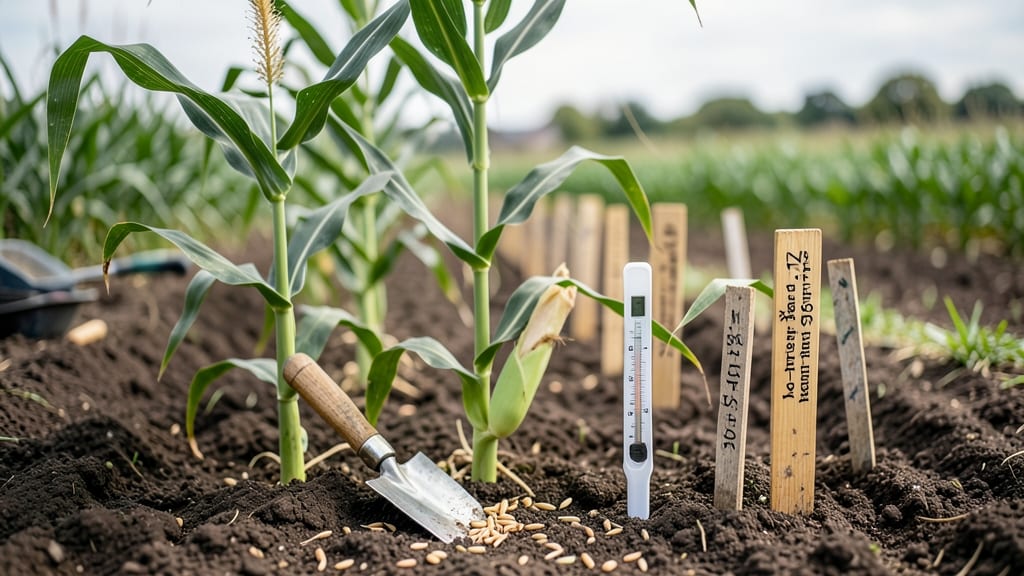
Timing your corn planting in Iowa isn't just about the calendar—it's about surviving those unpredictable spring frosts while maximizing your harvest.
With USDA zones 5a-5b and frost dates that can swing wildly from year to year, getting the window right means the difference between a bumper crop of 🌽 and a sad, stunted garden.
Most Iowa gardeners swear by planting between mid-April and early June, but here's the catch: your county's last frost date could mean waiting weeks longer in the north than in the south.
Whether you're in Cedar Rapids or Council Bluffs, we'll break down exactly when to put those seeds in the ground for the best chance at sweet, plump kernels by harvest season.
You might think "just plant early" is the answer, but rushing it can leave your corn vulnerable to frost damage or poor root development. The secret? Waiting until the soil hits at least 60°F and giving Mother Nature a 2-3 week grace period after the official last frost date.
That's how you build a cornfield that stands tall and strong.
Let's dive into the specifics—because in Iowa, where 165 frost-free days can make or break your yield, knowing the exact window isn't just helpful, it's essential.
I'll show you how to adjust for your specific location, choose the right varieties, and even handle those "what if?" moments when spring decides to throw a curveball.
Iowa’s frost-free planting zones by county: exact dates for corn success
Corn thrives in Iowa’s USDA zones 5a-5b, but the last frost date varies dramatically by county—from late April in southern regions to early May in the north. Planting too early risks frost damage, while waiting too long shortens the growing season and reduces yield.
Let’s break down the optimal planting windows by county to help you maximize your harvest.
Iowa’s average last frost dates range from April 15 in southern counties like Appanoose and Lee to May 1 in northern regions like Lyon and Osceola.
For corn, which needs a 120-150 day growing season, planting should begin 2-3 weeks after the last frost—typically between mid-April and early June. This ensures kernels mature before the first frost in October.
🌽 Iowa Corn Planting Zones by County
| County | Last Frost Date | Optimal Planting Window | Soil Temp Requirement |
|---|---|---|---|
| Adair, Adams, Appanoose | April 15 | April 25 - May 10 | 50°F+ |
| Cedar, Clinton, Des Moines | April 20 | May 1 - May 15 | 50°F+ |
| Dallas, Emmet, Fremont | April 25 | May 5 - May 20 | 50°F+ |
| Lyon, Osceola, Palo Alto | May 1 | May 10 - May 25 | 50°F+ |
| Pocahontas, Winnebago, Worth | May 5 | May 15 - June 1 | 50°F+ |
*Planting dates are approximate—always monitor local forecasts for adjustments.
For northern Iowa counties, where frost lingers longer, opt for early-maturing varieties (e.g., Pioneer 33H76) with a 90-100 day harvest window. In southern Iowa, where the growing season extends into early October, you can plant later-maturing varieties (e.g., Golden Bantam) for larger ears.
Always check the seed packet for days-to-maturity guidelines.
Pro tip: Use a soil thermometer to confirm the ground has warmed to at least 50°F before planting. Cold soil slows germination and weakens seedlings. In sandy soils, which warm faster, you can plant 1-2 weeks earlier than the average window.
Conversely, clay soils may require waiting until late May for optimal warmth.
If you’re planting in raised beds, the soil warms 2-3 weeks earlier than in-ground plots. This gives you a head start in northern counties where frost is a bigger risk.
Just ensure your raised beds are south-facing to capture maximum sunlight and warmth. For in-ground planting, till the soil 2-3 weeks before your target planting date to improve drainage and aeration.
Iowa’s historical weather patterns show that late spring frosts can still occur in early May, even in southern counties. To mitigate risks, consider using row covers or planting near windbreaks (like hedgerows or fences) to protect young seedlings.
For backup planting, have a second set of seeds ready to sow if the first planting fails due to frost or poor germination.
Don’t forget to account for moisture levels during planting. Iowa’s spring can be unpredictable—some years bring excessive rain, while others suffer from drought. Aim to plant when the forecast calls for consistent rainfall or plan to irrigate immediately after sowing.
Drought-stressed seedlings struggle to establish roots and may fail to thrive.
For home gardeners with limited space, consider interplanting corn with fast-growing crops like radishes or lettuce to maximize your garden’s productivity. Corn’s tall stature provides shade for understory plants, creating a natural microclimate that benefits both crops. Just be mindful of competition for nutrients—corn is a heavy feeder!
Finally, keep a planting journal to track your success (or challenges) each year. Note the exact dates you planted, any frost events, and the final yield. Over time, you’ll refine your localized planting strategy to outperform the average Iowa farmer. Happy planting! 🌱
How to adjust corn planting dates for soil temperature and weather risks
Planting corn in Iowa isn’t just about checking the calendar—it’s about soil temperature and weather patterns. Corn seeds won’t sprout until the soil reaches at least 50°F, but for strong roots, aim for 60°F or warmer.
In northern Iowa, this could mean waiting until late May, while southern counties might hit that mark by early April.
I’ve learned the hard way that rushing planting because of an early warm spell can backfire. A late frost in May can wipe out young corn plants, leaving you with bare patches and wasted seeds.
Always wait 2-3 weeks after your county’s last frost date before planting—this buffer gives your corn a fighting chance against Mother Nature’s surprises.
🌱 Pro Tip: Use a soil thermometer to check daily. If temperatures dip below 50°F at night, delay planting. Corn seeds need consistent warmth to germinate properly, and cold snaps can stall growth for weeks.
⚠️ Late Spring Frost Risk: Don’t Ignore These Red Flags
Watch for:
- Forecasted lows below 32°F after planting
- Delayed soil warming (test weekly if April is unseasonably cold)
- Young plants with wilted leaves (sign of frost damage)
Action: Cover seedlings with row covers or old bedsheets if frost is predicted within 48 hours.
If your planting window shrinks due to cool, wet springs (a common Iowa problem), consider early-maturing varieties like ‘Early Sunglow’ or ‘Golden Bantam’. These can be planted as late as mid-June and still yield sweet corn by late summer.
Just be prepared to harvest earlier—these varieties mature in 60-75 days instead of the usual 90+ days.
For those backup planting strategies, I recommend keeping a few seeds on standby. If your primary planting fails due to frost or pests, you can direct-sow again in early June for a smaller but still productive harvest.
Just choose a short-season variety to avoid running out of growing time before frost.
Don’t forget to monitor weather alerts from your local NOAA station or Iowa State University Extension. They often provide real-time frost forecasts and soil temperature updates. In my experience, these alerts have saved more than one garden from disaster.
Finally, if you’re planting in containers or raised beds, warm up the soil faster by using black plastic mulch or straw bales. This can shave 1-2 weeks off your planting timeline, giving you a longer harvest window. Just