
Plants
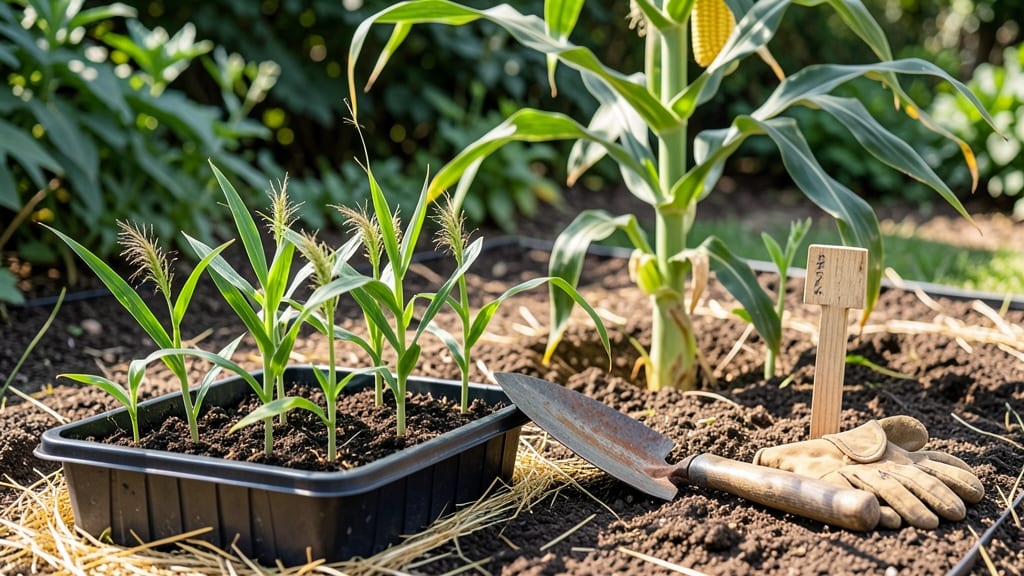
Timing your 🌽 corn planting in New Jersey wrong can mean the difference between a bumper crop and a bitter disappointment. One week too early, and frost will nip your seedlings in the bud.
One week too late, and your plants might bolt—shooting up tall stalks with tiny, inedible ears. Getting it right means knowing your county's frost dates and soil temperatures, not just guessing.
Most New Jersey gardeners wait until after the last frost date—typically mid-April to early June—but the perfect window varies by location. Coastal areas like Atlantic City have earlier frost-free dates than inland spots like Sussex County, where cooler nights can delay planting.
The key? Soil needs to stay above 60°F consistently for seeds to germinate properly.
This isn’t just about avoiding frost—it’s about giving your corn enough time to mature before the first fall frost hits in late October. Short-season varieties are your best bet in northern NJ, where the growing season is tighter.
But even with the right variety, planting too late can leave you with ears that never fully develop.
Let’s break down the exact planting dates for your county, plus pro tips to adjust for microclimates, soil prep, and even how to use row covers to extend your season. By the end, you’ll know exactly when to drop those seeds for the sweetest, juiciest corn of the year.
New Jersey corn planting dates by county: avoiding frost and bolting risks
Corn thrives in New Jersey’s USDA Zones 6b–7a, but getting the timing right means the difference between plump, sweet kernels and bolted stalks with tiny ears. The key?
Plant after your last frost date and when soil warms to 60°F (15°C)—both critical for germination and preventing premature bolting. Northern counties like Sussex and Warren face earlier frosts, while southern Atlantic and Cape May can start weeks earlier.
Bolting—when corn sends up tassels too early—happens if planted too late or stressed by heat. In NJ, this risk peaks in July and August, so aim to harvest by mid-October before frost hits.
Short-season varieties like 'Early Sunglow' (65 days) work for northern NJ, while 'Silver Queen' (90 days) suits southern gardens.
Here’s your county-by-county guide to planting windows, based on average last frost dates and soil temperature trends. Use these as a starting point, then adjust for your microclimate—more on that in the next section!
| County | Last Frost Date | Ideal Planting Window | Soil Temp Threshold | Bolting Risk Period |
|---|---|---|---|---|
| Atlantic/Cape May | April 1–15 | Late March–mid-April | 55°F+ (13°C) | Late July–early Aug |
| Bergen/Passaic | April 15–30 | Mid-April–early May | 60°F+ (15°C) | Early–mid Aug |
| Essex/Morris | April 20–May 5 | Late April–early May | 60°F+ (15°C) | Mid–late Aug |
| Hunterdon/Somerset | April 25–May 10 | Early–mid May | 60°F+ (15°C) | Late Aug–early Sept |
| Sussex/Warren | May 1–15 | Mid–late May | 60°F+ (15°C) | Early–mid Sept |
For coastal areas, warm ocean breezes can push planting back by 1–2 weeks. Inland and northern zones like Sussex County may need row covers to protect seedlings from late frosts.
Always check your local Cooperative Extension Service for updates—2023 saw unusually late frosts in May that caught many gardeners off guard.
Pro tip: Use a soil thermometer to confirm readiness. Corn seeds won’t germinate below 50°F (10°C), and waiting for 60°F (15°C) ensures strong, uniform growth. Plant 1 inch deep and 8–12 inches apart in rows 2–3 feet apart to prevent overcrowding and disease.
If you’re in Zone 6b (northern NJ), opt for short-season varieties like 'Bodacious' (75 days) or 'Peaches and Cream' (85 days). These mature before the first frost, giving you sweet, tender corn instead of woody stalks.
For Zone 7a (southern NJ), you can stretch to 'Golden Bantam' (80 days) or 'Country Gentleman' (90 days) for larger ears.
Remember: Corn is wind-pollinated, so plant at least 4 rows (or a 10x10-foot block) to ensure cross-pollination. Isolated plants may produce small, undeveloped ears
How to adjust corn planting dates for microclimates in NJ
New Jersey’s diverse geography means your corn planting dates can vary wildly—even within a single county. Coastal areas like Cape May enjoy earlier frost-free soil (often by early April), while inland spots like the Kittatinny Mountains might still have chilly nights well into May.
Urban gardens in Newark or Jersey City can face heat islands that dry out soil faster, while shaded backyard patches might stay damp longer. Adjusting for these microclimates is key to avoiding bolting or stunted growth.
For example, if you’re in Atlantic County near the shore, you might plant sweet corn as early as late March under row covers. But in Sussex County, where nights dip below 50°F longer, wait until mid-May.
Even within your own yard, a south-facing slope warms up faster than a north-facing dip—so test your soil temperature with a soil thermometer before planting.
Here’s how to fine-tune your planting schedule for your specific spot:
Black plastic mulch is a game-changer for extending your planting window. It warms soil 5-10°F faster than bare ground, letting you plant sweet corn 1-2 weeks earlier in spring or even squeeze in a fall crop if you cover it by early August.
Just remove the mulch once ears form to prevent overheating.
Row covers (floating fabric tunnels) add another 10-14 days to your season. Use them to plant early sweet corn in March or protect seedlings from late frosts in May. Secure the edges tightly to prevent pests like corn earworm from sneaking in.
For high-altitude areas, combine row covers with cold frames to create a microclimate that mimics warmer zones.
If you’re pushing the limits—like planting in June for a fall crop—choose fast-maturing varieties (60-70 days to harvest) and watch for bolting signs like rapid stalk elongation.
Shade cloth (30-50% coverage) can help delay bolting by reducing heat stress, especially in urban heat islands where temperatures soar above 90°F.
Pro tip: Keep a planting journal to track your microclimate’s quirks. Note when your soil hits 60°F, how long it takes for seeds to sprout, and any unexpected frost dates. Over time, you’ll dial in the perfect window for your 🌽 corn patch—no more guessing, just golden ears.