
Plants
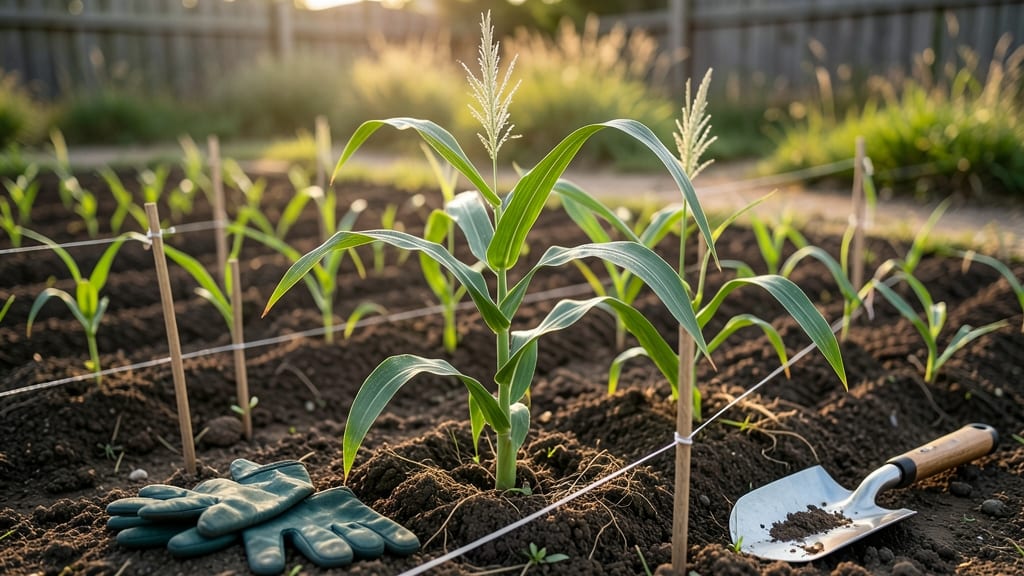
Timing your 🌽 corn planting in Tennessee can mean the difference between a bumper crop and a disappointing harvest. With USDA Zone 6b's unpredictable spring weather, getting those seeds in the ground too early risks frost damage, while waiting too long might leave you scrambling as summer heat arrives.
Most Tennessee gardeners know the general rule: plant after the last frost, but the real secret lies in soil temperature and variety selection. When soil reaches a steady 60°F, it's time to get those seeds in—typically between mid-April and early June.
But don't just guess: check your local frost dates from the TN Extension Service to pinpoint the perfect window for your specific county.
This year, I'm sharing my top strategies for planting corn in Tennessee's climate, including heat-tolerant varieties that thrive despite our humid summers. We'll cover everything from soil prep to spacing tips that maximize yields, so you can avoid common mistakes that waste time and resources.
Whether you're a first-time gardener or a seasoned grower looking to boost your harvest, these insights will help you plant with confidence. Let's dive into the exact timing, varieties, and techniques that work best for Tennessee's unique growing conditions.
Best planting dates for corn in Tennessee’s USDA Zone 6b
Timing your corn planting in Tennessee is critical—get it wrong, and you risk frost damage or stunted growth from late-season heat. The ideal planting window spans from mid-April to early June, aligning with soil temperatures above 50°F (10°C) and after the last frost date.
In USDA Zone 6b, this typically falls between April 15 and May 15, but local microclimates can shift this by 1-2 weeks.
For maximum yields, aim to plant when daytime temperatures consistently reach 60°F (15°C) and nighttime temps stay above 45°F (7°C). Corn is sensitive to frost, so never plant before your average last frost date—check the Tennessee State University Extension Service for your county’s specific frost-free date.
In East Tennessee, this might be as late as May 1, while West Tennessee can be ready by April 15.
Here’s a quick guide to Tennessee’s planting timeline based on regional averages:
| Stage | Action | Notes |
|---|---|---|
| Soil Prep | Test soil pH (6.0–7.0) | Add compost if pH < 6.0 |
| Planting Window | Mid-April to early June | After last frost, soil 50°F+ |
| Seed Depth | 1 inch deep | Use blocks, not rows, for pollination |
| Harvest Ready | Late August to October | Silks brown, kernels milky |
If you’re growing early-maturing varieties (like Silver Queen or Peaches and Cream), you can push planting to late June for a fall harvest. However, avoid planting after July 1, as corn needs 90–120 days to mature, and late-season heat can stress plants before harvest.
In Tennessee’s humid climate, late-planted corn is also more susceptible to fungal diseases like gray leaf spot.
For successful pollination, plant in blocks (not rows)—this ensures wind can carry pollen between plants. Space seeds 4–6 inches apart in rows 24–36 inches apart. If you’re planting multiple varieties, space blocks at least 10 feet apart to prevent cross-pollination.
In Tennessee’s heat, mulch with straw to retain moisture and regulate soil temperature, reducing the risk of bolting (premature flowering).
One common mistake is relying on calendar dates instead of soil temperature. Use a soil thermometer—corn won’t germinate well below 50°F (10°C). If your soil is cold, wait 1–2 weeks longer for better germination rates.
Pro tip: Plant a test row 2 weeks before your target date to gauge soil conditions and adjust timing.
Tennessee’s humidity and heat can accelerate corn’s growth cycle, so monitor plant height and tasseling closely. If plants reach tasseling stage (when pollen-producing flowers appear) before July 15, they may finish too early for optimal kernel development.
In this case, consider shorter-season varieties like Bodacious or Ambrosia, which mature in 70–80 days and handle Tennessee’s climate better.
Finally, keep an eye on weather forecasts in late spring. If a cold snap is predicted after planting, cover young seedlings with row covers or frost cloth to protect them until they’re 6 inches tall.
With the right timing and care, Tennessee’s growing season can yield sweet, juicy corn that rivals commercial varieties—just don’t rush the process!
🌽
Best planting dates for corn in Tennessee’s USDA Zone 6b
Understanding Tennessee’s frost dates is key to timing your corn planting perfectly. Most of the state falls in USDA Zone 6b, where the average last frost date typically occurs between mid-April and early May. However, this can vary by county—check the TN Extension Service for your exact date.
For optimal growth, wait until the soil temperature reaches a steady 60°F. This usually happens by late April to early May in most regions. Planting too early risks frost damage, while waiting too long may reduce your harvest window before summer heat sets in.
Here’s my recommended planting window for Tennessee gardeners: Mid-April (southern TN) to early June (northern TN). This spread ensures you capture the best of both seasons—cool spring soil and warm summer growth.
🌽 Tennessee Corn Planting Timeline
| Stage | Action | Notes |
|---|---|---|
| Early April | Prepare soil (southern TN only) | Warm soil in advance |
| Mid-April | Plant in southern TN | Soil should be 60°F+ |
| Late April-Early May | Plant statewide | Avoid frost risk |
| Early June | Last planting window | Northern TN only |
| July-August | Harvest window begins | Silks turn brown |
If you’re planting in northern Tennessee (Zone 6a), stick to the late April to early May window. For southern Tennessee (Zone 7a), you can start as early as mid-April and extend planting into early June for a second crop.
Pro tip: Use black plastic mulch to warm soil faster in cooler regions. This can shave off critical weeks in your planting timeline and extend your harvest season.
Remember, corn thrives on consistent warmth. If you plant too early and face a late frost, your young plants may not recover. Always have a backup plan for row covers if spring weather turns unpredictable.