
Plants
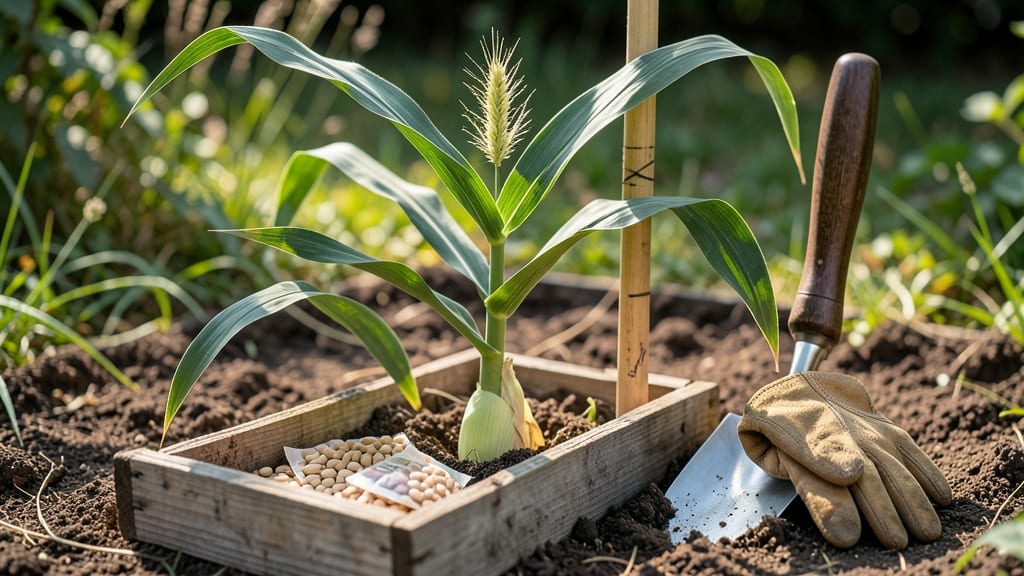
Timing your corn planting in West Virginia can mean the difference between a bountiful harvest and wasted seeds—get the dates wrong, and frost will ruin your crop before it even sprouts.
With USDA Zone 6a conditions, you've got a tight window to work with, and knowing exactly when to plant your 🌽 is critical for success.
Most gardeners in West Virginia aim to plant corn between mid-April and early May, but the exact timing depends on your county's frost dates.
If you're in the northern part of the state, you might need to wait until after April 15, while southern regions can start planting a bit earlier.
What makes this even more important is that corn needs 60-90 days of warm weather to mature. Planting too early risks frost damage, while planting too late might leave you with undersized ears. I'll show you how to pinpoint the perfect moment based on soil temperature and local weather patterns.
Let's break down everything you need to know—from soil prep to variety selection—to ensure your corn thrives from seed to harvest. You'll learn how to adjust planting dates for early vs. late varieties and avoid common mistakes that could sabotage your crop.
West Virginia frost-free dates by county zone: when to plant sweet corn
West Virginia's diverse climate—spanning USDA Zones 5-7—means corn planting dates vary by county. Most regions have a 165-day frost-free window, but elevation and microclimates shift those deadlines. For sweet corn (which needs 60-90 days to mature), timing is everything to avoid frost damage or stunted growth.
In northern counties like Monroe and Pocahontas, wait until May 1-15 after soil warms to 50°F+. Southern regions like Putnam or Mercer can start as early as mid-April, but always confirm your last frost date—a late freeze can kill seedlings in minutes.
Here’s a quick reference for key planting windows by zone:
| Zone | Counties | Last Frost (Avg.) | Planting Window | Harvest Window |
|---|---|---|---|---|
| 5a-5b | Monroe, Pocahontas, Webster | April 25-May 5 | May 15-June 1 | Late July-Sept 15 |
| 6a | Kanawha, Cabell, Putnam | April 10-20 | April 25-May 10 | June 20-Aug 15 |
| 7a-7b | Mercer, Wood, Jackson | March 25-April 5 | April 1-May 1 | May 20-July 30 |
For mountain counties (e.g., Tucker or Randolph), add 7-10 days to the planting window due to cooler nights. Valley areas like the Ohio River Valley can plant 2 weeks earlier if soil is workable.
Pro tip: Use black plastic mulch in cooler zones to warm soil faster and extend the season by 10-14 days. This trick works especially well for early-maturing varieties like 'Silver Queen' (70 days) or 'Peaches and Cream' (85 days).
If you’re unsure about your local frost date, set up a frost alarm or monitor NOAA’s West Virginia forecasts. A single 28°F night can kill young corn plants overnight—no amount of watering will save them.
For succession planting, stagger seeds every 2 weeks until mid-June to ensure a continuous harvest. This works best with medium-maturity varieties (90 days), like 'Golden Bantam' or 'Country Gentleman'.
Remember: Corn needs consistent warmth to thrive. If your soil stays below 55°F for more than 3 days, germination slows dramatically. Use a soil thermometer to confirm readiness—60°F+ is ideal for planting.
🌽 Key takeaway: Northern WV = wait until May; Southern WV = plant by April 15. Always prioritize soil temperature over calendar dates.
How to adjust corn planting dates for early vs late varieties in WV
West Virginia’s varied microclimates mean your corn’s success hinges on matching variety maturity with planting timing. Early varieties (like Silver Queen) mature in 85 days, while late varieties (such as Golden Bantam) need 110+ days.
Plant early types 2-3 weeks sooner to avoid frost, but never before soil hits 50°F—cold soil delays germination.
For late-season varieties, aim for late May planting to ensure harvest before October’s first frost. Use succession planting: sow early varieties in mid-April, then follow with late varieties 3 weeks later to stretch your harvest window.
This works best in USDA Zone 6a, where frost-free days average 165.
🌽
- 1 Early Varieties: Plant April 15-30 when soil reaches 60°F—ideal for 85-day types like Peaches and Cream.
- 2 Late Varieties: Delay until May 15-30 to avoid early frost—best for 110+ day varieties like Country Gentleman.
- 3 Succession Planting: Sow second crop 3 weeks later for extended harvests—critical in shorter-season zones like Monongalia County.
- 4 Soil Temp Check: Use a soil thermometer—corn won’t sprout below 50°F. Wait for consistent 60°F+ for optimal germination.
- 5 Frost Risk: Use row covers for early plantings if frost warnings persist. Monitor NOAA forecasts for late-May cold snaps.
Pro tip: Test your soil before planting—West Virginia’s acidic soils (pH 5.0-5.5) stunt corn growth. Amend with lime to reach pH 6.0-6.8 for maximum kernel development. Early varieties tolerate cooler soils better, while late types demand warmer conditions to mature.
If you’re in higher-elevation areas (like Pocahontas County), shift planting 2 weeks later—cooler microclimates delay soil warming. Use black plastic mulch to raise soil temps 5-10°F faster in these zones. Always prioritize harvest timing over early planting—immature corn is worse than no corn at all.
🌡️