
Plants
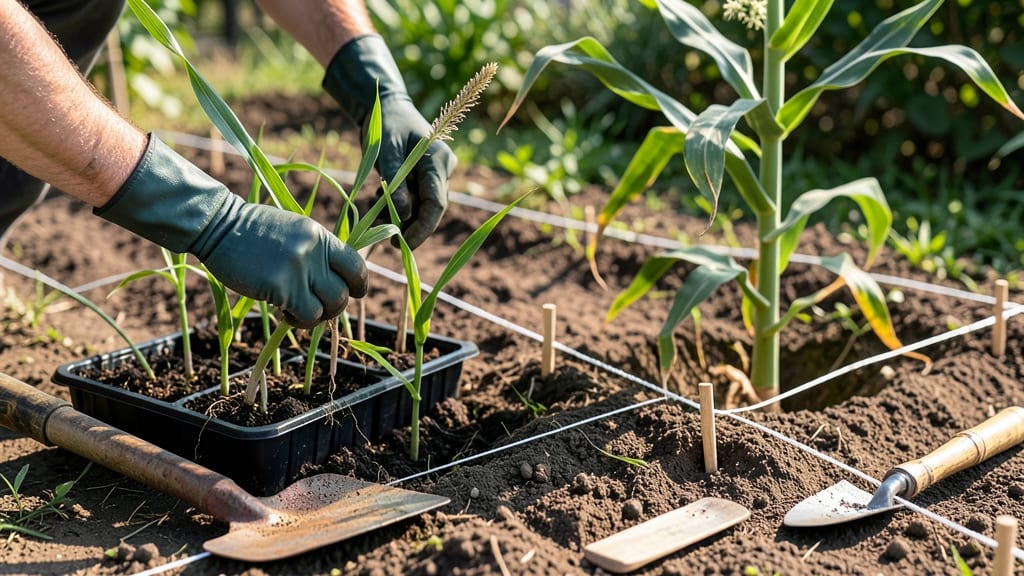
Timing your corn planting in Zone 5 can mean the difference between a bumper crop and a disappointing harvest—get it wrong, and frost will ruin your hard work before those sweet 🌽 ears even form.
If you're a Zone 5 gardener, you know the struggle: waiting for that perfect window when soil temperatures hit 60°F while avoiding late frosts that can devastate tender seedlings. The ideal planting window—mid-April to early May—might seem straightforward, but regional microclimates and variety types add layers of complexity.
I’ve seen gardeners rush planting too early, only to watch their corn wither under unexpected frost. Or worse, delay too long and miss the 150-180 frost-free days corn needs to mature. The key? Understanding your specific frost dates, soil conditions, and the right variety for your area.
In this guide, I’ll break down exactly when to plant corn in Zone 5, how to adjust for early vs. late varieties, and the common mistakes that sabotage even the most eager gardeners. Let’s get your corn off to the best possible start.
Zone 5 corn planting deadlines by frost-free date and variety type
Getting your corn planted at the right time in Zone 5 is all about beating frost while giving plants enough warmth to thrive. The last frost date typically falls between mid-April and mid-May, but your exact timing depends on your sub-zone (5a or 5b) and local microclimates.
For example, northern Zone 5a areas may need to wait until early May, while southern 5b regions can start as early as late April.
Corn is sensitive to cold soil, so even if frost has passed, you must wait until the soil reaches 60°F at least 2 inches deep. A soil thermometer is your best tool here—planting too early in cold soil can stunt root growth and delay harvest.
Most early-season varieties need about 60-75 days to mature, while late-season types can stretch up to 120 days, meaning your planting window must align with your variety’s needs.
Here’s how to match your corn variety to the right planting window in Zone 5, including regional adjustments for frost-free dates and soil warmth:
| Variety Type | Days to Maturity | Planting Window (Zone 5) | Soil Temp Requirement | Harvest Window |
|---|---|---|---|---|
| Early (Sweet Corn) | 60-75 days | Late April–early May | 60°F+ | Late July–early August |
| Mid-Season (Bicolor) | 80-90 days | Early May–mid-May | 60°F+ | Mid-August–late September |
| Late (Dent Corn) | 100-120 days | Mid-May–early June | 60°F+ | Late September–October |
| Succession Planting | 60-90 days | Every 2 weeks (April–June) | 60°F+ | July–September |
*Adjust dates 1-2 weeks earlier for Zone 5b or later for Zone 5a.
For Zone 5b gardeners, you can push early plantings to late April if you’re using a heat-tolerant variety like ‘Silver Queen’ or ‘Peaches and Cream.’ These varieties handle slightly cooler soils better than others.
Meanwhile, Zone 5a growers should wait until mid-May to avoid frost damage, especially for late-season corn that needs every warm day to mature.
Pro tip: Use black plastic mulch to warm the soil faster if you’re planting early. Lay it down 2-3 weeks before planting to raise soil temperatures by 5-10°F, giving your corn a head start.
This is especially helpful in northern Zone 5 where soils can stay chilly well into May.
Don’t forget to check your local Almanac frost dates—they’re more accurate than generic Zone 5 averages. For example, Chicago’s last frost is often mid-May, while Cincinnati’s might be early May. Planting too early in these areas risks frost damage to young seedlings, which can’t recover.
If you’re unsure about your exact frost date, use a frost calendar or ask your local cooperative extension office. They’ll provide hyper-local advice tailored to your county’s climate patterns. For example, valleys tend to frost later than hilltops, so adjust your timing accordingly.
Finally, consider succession planting to extend your harvest. By planting every 2 weeks from April through June, you can enjoy fresh corn from July through September. This works best with early- to mid-season varieties that mature in 60-90 days.
🌽
Zone 5 corn planting deadlines by frost-free date and variety type
In Zone 5, corn thrives when planted after the last frost date—typically between mid-April and early May. However, this window shifts based on whether you're growing early-season, mid-season, or late-season varieties.
Early varieties like 'Silver Queen' can handle cooler soils, while late varieties like 'Peaches and Cream' demand warmer conditions. The key is aligning your planting with soil temperatures of at least 60°F and a frost-free window of 150-180 days.
Zone 5's diverse microclimates mean your neighbors' planting dates might differ from yours. Urban areas often warm up faster than rural spots, so check your local USDA Plant Hardiness Zone map and adjust accordingly.
For example, Northern Illinois may need to wait until late May, while Southern Ohio can start earlier. Always plant at least 2 weeks after the last frost to avoid surprise chills that can stunt growth or kill seedlings.
| Variety Type | Planting Window | Soil Temp Requirement | Days to Maturity | Notes |
|---|---|---|---|---|
| Early Season | Mid-April to late April | 55-60°F | 60-75 days | Best for cooler Zone 5 areas; harvests by early July |
| Mid Season | Early May to mid-May | 60-65°F | 75-90 days | Most popular choice; harvests July-August |
| Late Season | Late May to early June | 65°F+ | 90-120 days | Heat-tolerant; harvests August-September |
For early-season varieties, aim to plant by late April to ensure harvests before late-summer heat stress. These varieties, like 'Golden Bantam', mature quickly but need consistent warmth. If you're in a 5a subzone, err on the side of waiting until early May—cold snaps can still occur.
Meanwhile, late-season varieties like 'Country Gentleman' can handle Zone 5's summer heat but require planting by early June to mature before the first frost.
Use a soil thermometer to confirm readiness—corn seeds won't sprout below 55°F, and roots struggle to establish below 60°F. If your soil is too cold, consider using black plastic mulch to warm it faster. This technique can shave off 1-2 weeks of waiting time, giving you an earlier start. Just
Pro tip: Plant succession crops every 2 weeks after your initial planting to extend your harvest window. For example, start with early varieties in late April, mid-season in early May, and late-season in late May. This staggered approach ensures you have fresh ears from July through September, even in Zone 5's shorter growing season. Just be sure to space your plantings 30-40 feet apart to prevent cross-pollination between varieties.
Don't let Zone 5's reputation for short seasons fool you—with the right timing and variety selection, you can enjoy homegrown corn for weeks. The key is balancing frost dates, soil warmth, and maturity timelines.
Start with reliable early varieties, monitor your local frost forecast, and adjust as needed. With these deadlines in hand, you're ready to plant with confidence! 🌽