
Plants
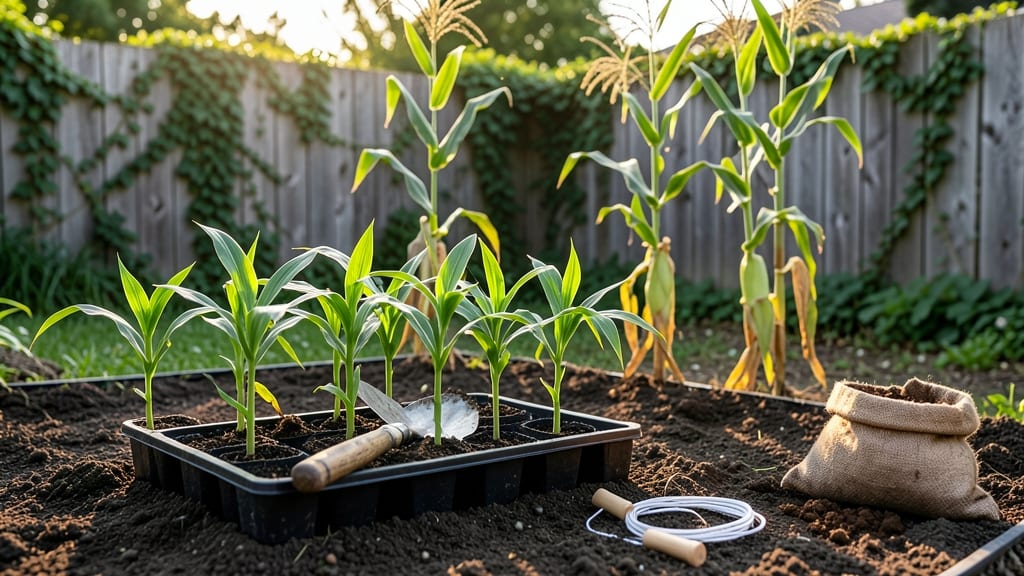
Timing your 🌽 corn planting in Zone 5b wrong could mean the difference between a bountiful harvest and a sad, withered disappointment—especially when unpredictable spring frosts lurk around the corner.
In Zone 5b, where last frosts typically hit around mid-April and growing seasons are short, planting too early risks seed rot, while waiting too long cuts your harvest window.
The key is aligning your planting with soil temperatures of 50°F+ and frost-free timelines that give your corn the 120–150 days it needs to mature.
I’ll walk you through the exact planting window—when to start seeds indoors, how to test soil readiness, and which early-maturing varieties thrive in Zone 5b’s cooler climate. No more guesswork, just reliable harvests.
Ready to grow corn that stands tall and sweet? Let’s dive into the strategies that actually work for Zone 5b gardeners.
Zone 5B corn planting dates: soil temperature rules for success
Corn is a heat-loving crop that refuses to grow in cold soil, which is why Zone 5B’s unpredictable springs make timing critical. Unlike cool-season crops, corn seeds won’t sprout until soil reaches 50°F consistently—and even then, they’ll grow sluggishly below 60°F.
In my experience, rushing planting because "it’s May" often leads to rotten seeds or stunted seedlings.
Your last frost date in Zone 5B (around April 15) isn’t the only deadline. Corn needs a 120–150 frost-free days to mature, meaning you must plant early enough to harvest before the first frost in mid-October.
The sweet spot? Mid-to-late May for most varieties—but this varies yearly based on soil warmth.
To nail your planting window, I recommend testing soil temperature at 2-inch depth for 5 consecutive days. If it hovers around 50°F, it’s safe to plant.
Pro tip: Use a soil thermometer (not air temperature!)—my first year planting corn, I assumed the air was warm enough and lost half my seeds to rot.
For Zone 5B’s short growing season, prioritize early-maturing varieties (70–80 days) like 'Early Sunglow' or 'Peaches and Cream'. These give you a better buffer against early fall frosts.
If you’re tempted to plant sweet corn varieties (like 'Ambrosia') with longer maturity dates, stagger your plantings with a second batch 2 weeks later.
One mistake I see often? Planting corn too early in hopes of a longer season. Cold soil delays germination by weeks, and seedlings can’t recover. Instead, wait for that consistent 50°F soil temp—your corn will thank you with taller stalks and bigger ears. 🌽
Don’t forget: Corn thrives in full sun (6+ hours daily), so choose a south-facing spot with well-draining soil. Amend heavy clay soil with compost to improve warmth retention—a game-changer in Zone 5B’s cool springs.
Test your soil’s pH too; corn prefers 6.0–7.0. If it’s lower, add lime in fall to prep for next year.
For maximum yield, plant in blocks (not rows)—corn is wind-pollinated, so isolated plants produce fewer ears. A 4x4 ft block ensures better cross-pollination. Space seeds 4–6 inches apart and rows 2–3 feet apart.
Once seedlings hit 6 inches tall, thin to 12 inches apart for optimal air circulation.
If you’re still unsure about timing, use black plastic mulch to warm soil faster. Lay it down 2–3 weeks before planting—it’ll raise soil temps by 5–10°F, giving you an earlier start. Just
How to adjust corn planting for Zone 5B’s unpredictable weather patterns
Zone 5B’s unpredictable spring frosts and short growing season demand smart adjustments to your corn planting strategy. Unlike warmer zones, where timing is flexible, Zone 5B gardeners must plan for variability—whether it’s a late frost or a sudden heatwave.
The good news? With the right techniques, you can extend your harvest window and protect your crop from Mother Nature’s whims.
First, choose varieties that mature quickly but still deliver sweet, flavorful ears. In Zone 5B, where the last frost typically arrives around April 15 and the first frost hits by October 15, you’ve got roughly 150 frost-free days.
That means your corn needs to go from seed to harvest in that window—no exceptions. Early-maturing varieties like 'Early Sunglow' (75 days) or 'Peaches and Cream' (85 days) are your best bets for avoiding fall frosts.
Here’s the game-changer: succession planting. Instead of betting everything on one planting, stagger your seeds every 2 weeks until early June. This ensures a continuous harvest and reduces the risk of losing your entire crop to a late frost.
For example, plant your first batch in mid-May, then follow up with two more plantings in late May and early June. By the time the first batch matures, the later plantings will be well on their way to producing ears.
Opt for early-maturing hybrids like 'Early Sunglow' (75 days) or 'Peaches and Cream' (85 days) to harvest before fall frosts.
Corn needs cross-pollination; plant in 4x4 ft squares for better yields and easier frost monitoring.
Warms soil faster and suppresses weeds—install 2–3 weeks before planting for a head start.
Plant only when soil hits 50°F for 5+ consecutive days at 2-inch depth.
Another critical trick is using black plastic mulch to warm the soil and jumpstart germination. Lay it down 2–3 weeks before planting—this gives the soil a boost and helps prevent weeds. Plus, it creates a microclimate that protects young seedlings from temperature swings.
If you’re worried about late frosts, consider using row covers or even a cold frame for the first few weeks after planting. These can add 2–4°F of protection, giving your corn a fighting chance if a frost sneaks in.
Don’t overlook soil preparation either. Corn loves well-draining, nutrient-rich soil with a pH between 6.0 and 7.0. In Zone 5B, where soils can be slow to warm, adding compost or aged manure in the fall will give your corn a head start in spring.
And if your soil is compacted, till in some sand or perlite to improve drainage—corn hates soggy roots.
Finally, keep an eye on the weather forecast and adjust your watering schedule accordingly. Zone 5B summers can be hot and dry, and corn needs consistent moisture, especially during pollination.
If a heatwave hits, increase watering to 1–2 inches per week and aim for deep soaks in the morning to prevent fungal diseases. With these adjustments, you’ll turn Zone 5B’s challenges into a reliable corn harvest—no frost-related disappointments in sight!