
Plants
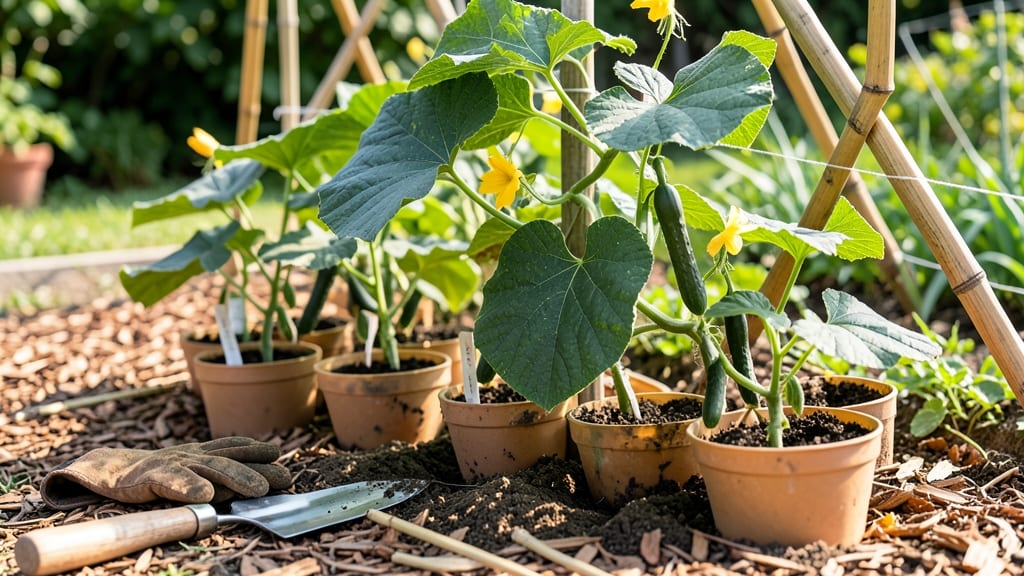
Timing your cucumber planting in Chicago wrong can mean the difference between a bountiful harvest and wilted vines—especially when those unpredictable spring frosts strike.
The key to avoiding bolting (those bitter, seed-filled cucumbers) lies in mastering your local microclimate, whether you're in a heat-island neighborhood like Lincoln Park or a cooler suburb.
Most Chicago gardeners wait until April 15 to plant after the last frost, but soil temperature is the real game-changer. Your 🥒 seeds need 60°F+ soil to germinate, and waiting for that window can mean the difference between 55-day harvests and wasted effort.
Urban heat pockets can push your planting window earlier, while colder zones might need row covers to extend it.
I’ll show you exactly how to read Chicago’s frost patterns, adjust for your specific neighborhood, and use cold frames to push your harvest into September. No more guessing—just science-backed timing that works for Zone 6a gardeners.
Ready to grow cucumbers that actually produce? Let’s dive into the tricks that keep Chicago gardeners harvesting all summer long—without the bitter disappointment.
Chicago’s ideal cucumber planting window: microclimate zones explained
Chicago’s USDA Zone 5/6 climate means cucumbers need precise timing to thrive. The last average frost date is April 15, but soil must reach 60°F+ for seeds to germinate. Urban heat islands in areas like Lincoln Park can push planting 2 weeks earlier than South Side neighborhoods.
For direct sowing, aim for April 20–May 10 after verifying soil warmth. Transplants can go in 1–2 weeks earlier if started indoors. Always check 7-day forecasts for late frosts—Chicago’s 3-year frost variability averages ±5 days from the norm.
🌱
| Zone/Method | Planting Window | Soil Temp | Microclimate Notes |
|---|---|---|---|
| USDA Zone 5 (South Side) | May 1–15 | 60°F+ | Cooler soils; wait for 3 consecutive warm days. |
| USDA Zone 6 (Lincoln Park) | April 20–May 5 | 60°F+ | Urban heat island warms soil faster; monitor daily. |
| Indoor Starts (Transplants) | April 1–15 | 65°F+ | Hardens off 2 weeks before outdoor planting. |
| Cold Frame Extension | April 1–10 | 50°F+ | Protects seedlings from late frosts (up to 28°F). |
Chicago’s first frost typically hits October 15, but cold-tolerant varieties like ‘Corinto’ can extend harvests until October 30 with row covers. For fall planting, sow seeds August 1–15—they need 50–60 days to mature before frost.
Use a soil thermometer ($10–$15) to confirm readiness. Black plastic mulch raises soil temps by 5–10°F, accelerating germination in cooler areas. Test soil 1 inch deep in morning sunlight for accurate readings.
🌡️
For container gardening, choose 5-gallon pots with drainage holes—they warm faster than in-ground beds. Place containers on black trays or use heat mats ($20–$30) to jumpstart germination in March for early harvests.
🪴
Pro tip: Bush varieties (e.g., ‘Bush Champion’) mature 10–14 days faster than vining types, reducing bolting risk in Chicago’s short season. Pair them with trellises to save space and improve air circulation.
🌿
Always check the Chicago Botanic Garden’s frost calendar for real-time updates. Their 2023 data showed a 10-day later frost in some suburbs—proof that local conditions vary wildly even within the city.
How to use cold frames and row covers to beat Chicago’s late springs
Chicago’s late springs can leave cucumber lovers frustrated, but cold frames and row covers are game-changers for extending your planting window by 2-4 weeks. These tools create microclimates that protect tender seedlings from late frosts while warming the soil faster.
Even in my urban backyard, I’ve pushed my first cucumber harvests from July to early June using these tricks.
For cold frames, a simple DIY wooden box with clear plastic or glass panels works wonders. Place it over your planting area 2-3 weeks before your usual last-frost date (April 15 in Chicago).
The trapped heat raises soil temperatures 10-15°F higher than ambient air, accelerating germination. Just ensure vents are open on sunny days to prevent overheating—75-85°F is the sweet spot for cucumber seeds.
If you’re short on space or prefer flexibility, floating row covers (aka hoop houses) are my go-to. These lightweight fabrics (like Agribon) stretch over wire hoops or even tomato cages, creating a protective bubble.
I’ve used them to plant cucumbers as early as mid-April in my raised beds, shaving 3 weeks off my usual timeline. The key? Secure the edges tightly to block chilly winds and pests like cabbage moths.
🌱
Test soil temp—it must hit 60°F+ for germination. Use a soil thermometer (or press your finger in: if it’s warm to the touch, you’re good). Amend with compost to improve warmth retention.
Cold Frame: Best for soil warming (ideal for early starts).
Row Cover: Better for seedling protection (lightweight, portable).
Sow seeds 1 inch deep in biodegradable pots (easier to transplant later). Space them 12 inches apart—crowding stresses plants and slows growth. Water gently before covering to prevent seed desiccation.
Check daily for condensation (open vents if needed). Remove covers gradually—start with 2 hours/day in late May to harden off seedlings. Watch for powdery mildew (a sign of trapped humidity).
Once night temps stay above 50°F, leave covers off entirely. Train vines onto trellises (saves space!) and mulch with straw to retain moisture. My early-planted ‘Straight Eight’ cucumbers hit harvest size 2 weeks ahead of schedule this way!
Pro tip: Pair row covers with black plastic mulch for a double boost. The dark plastic absorbs heat during the day and radiates it back at night, while the cover shields seedlings. I’ve seen soil temps under this combo hit 80°F by early May—perfect for cucumbers. Just
For urban gardeners with limited space, container growing works too. Use 5-gallon buckets with row covers draped over them. Place containers on heat-absorbing surfaces (like black-painted bricks) to mimic the soil-warming effect of in-ground beds. My balcony ‘Bush Champion’ cucumbers thrived this way, yielding 50% more fruit than my ground-planted controls.
Don’t let Chicago’s unpredictable springs steal your cucumber harvest. With these tools, you’ll be slicing into homegrown slices weeks earlier than your neighbors—no greenhouses required! Just remember: patience is key. Rushing to remove covers too soon can trigger bolting, so follow the gradual acclimation rule.