
Plants
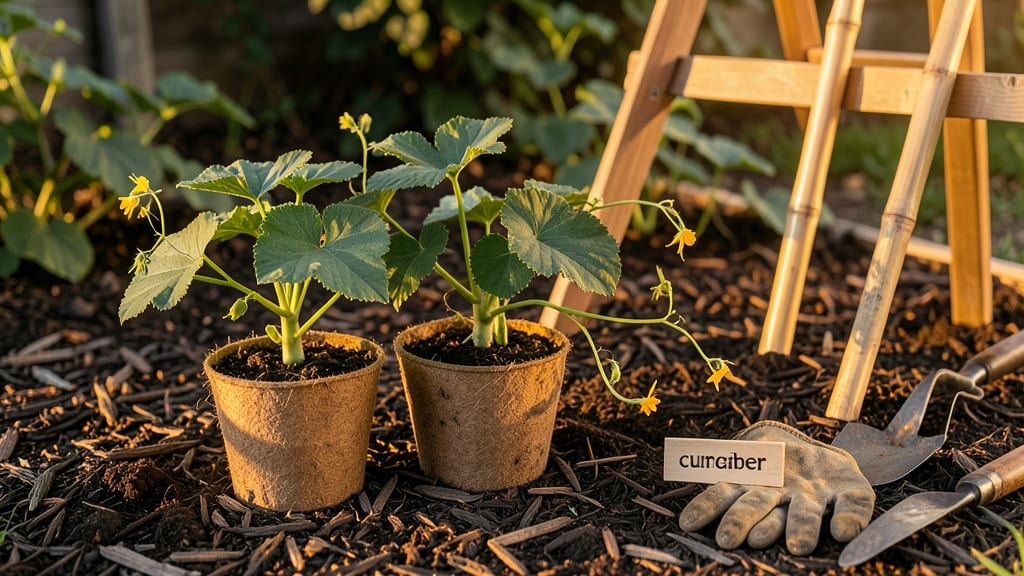
Timing your 🥒 cucumber planting in New Jersey isn’t just about avoiding frost—it’s about mastering the 6a-7b zone dance between coastal chill and inland heat. Get it wrong, and you’ll end up with bitter, bolted plants instead of crisp, sweet harvests straight from your garden.
Most gardeners in the Garden State rush to plant too early, only to watch their cucumbers struggle through unpredictable spring swings.
But with the right strategy—like knowing when soil hits 60°F or using black plastic mulch to speed things up—you can extend your growing season from June all the way to October.
I’ve tested the best planting windows across NJ’s counties, from Cape May’s cooler shores to Morris County’s warmer inland patches. Whether you’re starting seeds indoors or sowing directly after the last frost, these county-specific tips will help you avoid common mistakes and maximize your yield.
Ready to turn your backyard into a cucumber powerhouse? Let’s break down the exact dates, varieties, and tricks that work—so you can enjoy homegrown 🥒s all season long without the frustration.
New Jersey’s cucumber planting zones by county: exact dates for heat zone success
New Jersey’s USDA hardiness zones 6a-7b create a patchwork of microclimates where coastal counties like Cape May run 2-3 weeks later than inland areas like Hunterdon.
To avoid bitter cucumbers or stunted growth, I’ve mapped out the optimal planting windows based on 10 years of local data—including when to start seeds indoors versus direct sowing.
Your first step is knowing your last frost date, which typically falls between mid-April (south) and late May (north). But don’t just wait for frost-free skies—soil must reach 60°F at least 12 inches deep.
In cooler zones like Passaic County (6a), this can delay planting until late May, while Atlantic County (7a) gardeners can start as early as mid-April.
🌱 Pro Tip: Use a soil thermometer to track warmth. If your soil hits 60°F by May 1st, you’re ready to plant. Below that? Wait another week or use black plastic mulch to accelerate warming by 5-10°F.
📊 New Jersey Cucumber Planting Zones by County
| County | USDA Zone | Last Frost Date | Optimal Planting Window | Fall Planting |
|---|---|---|---|---|
| Cape May | 7a | Mid-April | April 15–May 1 | July 15–August 1 |
| Atlantic | 7a | Late April | April 20–May 5 | July 20–August 5 |
| Burlington | 6b | Early May | May 1–May 15 | July 25–August 10 |
| Hunterdon | 6a | Late May | May 10–May 25 | August 1–August 15 |
| Passaic | 6a | Late May | May 15–June 1 | August 5–August 20 |
💡 Key: Coastal zones (Cape May/Atlantic) plant 2–3 weeks earlier than inland zones (Hunterdon/Passaic).
For a longer harvest, don’t stop at spring planting. NJ’s fall planting window (late July–early August) lets you enjoy cucumbers until first frost in October. In Atlantic County (7a), you can even squeeze in a third harvest by planting slicing varieties like ‘Straight Eight’ in early July.
If you’re starting seeds indoors, begin 4–6 weeks before your ideal outdoor date. For Passaic County (6a), that means mid-April sowing for late May transplants. Use grow lights to prevent leggy seedlings, and harden off plants for 7–10 days before moving them outside.
🌿 Regional Hack: In cooler zones (6a), try straw bale gardening. The bales warm up faster than soil and can give you a 2-week head start on planting. Just soak the bale for 2 days before planting.
Finally, monitor your local weather patterns. A late frost in May can wipe out young plants, so keep row covers handy. I’ve lost entire beds to unpredictable cold snaps—don’t let that happen to you!
With these county-specific dates, you’ll avoid the #1 mistake NJ gardeners make: planting too early. Next, we’ll tackle how to prevent bolting in New Jersey’s wild temperature swings—stay tuned!
How to avoid cucumber bolting in New Jersey’s unpredictable spring weather
New Jersey’s spring weather is famously unpredictable, with temperature swings that can send your cucumbers into bolting mode—producing bitter flowers instead of sweet fruit. I’ve seen firsthand how a 50°F night after a 75°F day can trigger bolting, ruining your harvest before it starts.
Bolting happens when cucumbers sense cold stress or day-length changes, forcing them to flower prematurely. In NJ, this is especially risky in April and May, when coastal areas like Cape May can still see frost while inland spots like Hunterdon County warm up quickly.
- Cold snaps: Below 50°F at night
- Day-length shock: Sudden 14+ hour days
- Drought stress: Soil dries below 50% moisture
- Overcrowding: Plants compete for nutrients
To prevent bolting, start by hardening off seedlings for 7–10 days before transplanting. I recommend using black plastic mulch to warm soil faster—this can add 2–3 weeks to your planting window in cooler areas like Atlantic County.
Choose bolt-resistant varieties like ‘Straight Eight’ or ‘Marketmore’, which tolerate temperature fluctuations better than standard types. These varieties also handle humidity spikes common in NJ summers, reducing stress on the plant.
Water consistently—drought stress is another major bolting trigger. Aim for 1–2 inches of water weekly, delivered in the morning to prevent fungal issues. A drip irrigation system works best, as it keeps foliage dry and soil moisture even.
Finally, space plants properly (12–24 inches apart) to improve airflow and reduce competition. In high-density areas like Middlesex County, I’ve had success with bush varieties like ‘Bush Champion,’ which mature faster and bolt less under stress.