
Plants
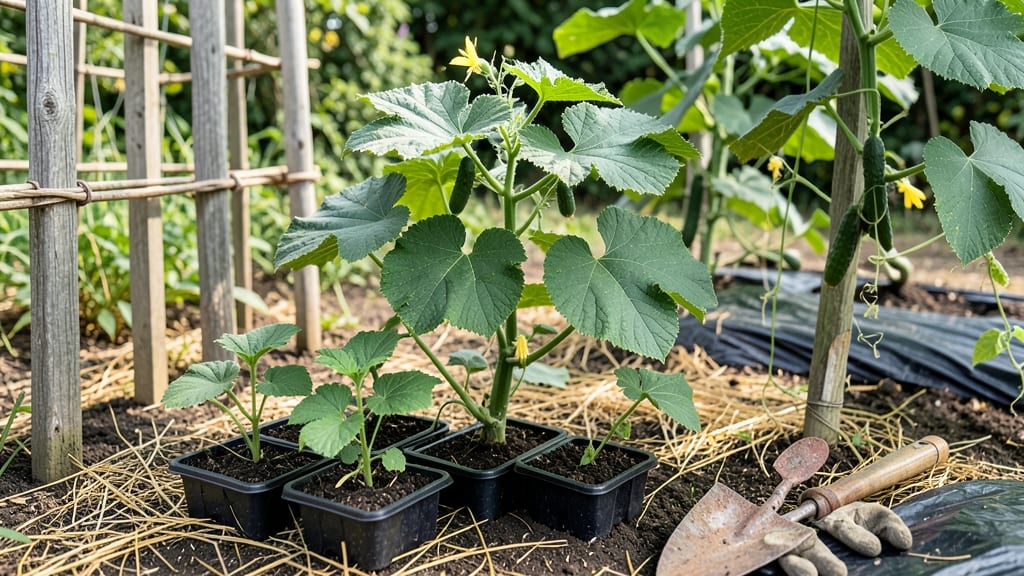
Timing your cucumber planting in Zone 8b isn't just about avoiding frost—it's about capturing the sweet spot between cool spring nights and scorching summer afternoons that can turn your 🥒 plants into crispy failures.
Most gardeners here wait until after the last frost (usually mid-March to early April), but if you plant too soon, your seedlings will bolt in the heat, and if you wait too long, you might miss the early harvest window.
What makes Zone 8b unique is its long, hot summers, which means you can actually plant cucumbers twice a year—once in spring and again in late summer for a fall harvest.
The key is starting seeds indoors 4-6 weeks before your target planting date or direct-sowing when soil temps hit a steady 60°F, usually around early April or late August for fall crops.
But here’s the real secret: choosing the right variety can make or break your harvest. Heat-resistant types like ‘Straight Eight’ or ‘Marketmore 76’ thrive in Zone 8b’s intense conditions, while spacing plants 2-3 feet apart (or using trellises) improves airflow and reduces disease risks.
Let me walk you through the exact dates, soil prep, and companion plants to ensure your cucumbers go from seed to salad bowl without a hitch.
Ready to turn your Zone 8b garden into a cucumber powerhouse? I’ll break down the best planting windows, how to adjust for microclimates, and even how to stretch your harvest into October. No more guessing—just a bumper crop of crisp, homegrown 🥒 all season long.
Optimal planting dates for cucumbers in Zone 8b (with heat tolerance guide)
In Zone 8b, cucumbers thrive when planted after the last frost date—typically around mid-March to early April—but timing depends on your microclimate.
The key is waiting for soil temperatures to reach 60°F, which signals it's safe to plant these heat-loving veggies. Early varieties can handle cooler soil, while late-season types need warmer ground to germinate reliably.
Zone 8b’s 240 frost-free days create a unique window: you can also plant for a fall harvest in late August to early September.
This second planting lets you enjoy cucumbers when summer heat peaks, but you’ll need to choose heat-resistant varieties to avoid bolting or bitter fruit. Succession planting every 2 weeks after your initial date extends harvests all season.
| Stage | Action | Soil Temp |
|---|---|---|
| Start Seeds Indoors | 4-6 weeks before last frost | 60-65°F |
| Direct Sow Outdoor | After last frost (March-April) | 60°F+ |
| Transplant Seedlings | 2-3 weeks after sowing | 65°F+ |
| Fall Planting Window | Late August-Early September | 70°F+ |
| First Harvest | 50-70 days after planting | N/A |
To calculate your exact dates, check your local last frost date (usually February 15 in Zone 8b) and add 2-3 weeks for soil warming. Use a soil thermometer to confirm—cucumbers won’t germinate below 55°F.
In cooler microclimates (like near water bodies), wait until April 15; in warmer pockets (urban heat islands), you might plant as early as March 1.
For direct sowing, scatter seeds ½ inch deep and 1 inch apart in hills spaced 3-4 feet apart. Thin seedlings to 2-3 plants per hill when they’re 2 inches tall.
If starting indoors, transplant seedlings 1-2 weeks after your last frost date, but harden them off first to avoid transplant shock.
Zone 8b’s summer heat spikes (often exceeding 95°F) demand heat-tolerant varieties. Look for types labeled "heat-resistant" or "long vine", like 'Straight Eight' or 'Marketmore 76'. These varieties handle high temperatures better than standard slicing cucumbers, which may bolt prematurely or produce bitter fruit in extreme heat.
Another critical factor is day length. Cucumbers in Zone 8b face longer daylight hours during summer, which can trigger early flowering. To delay bolting, use shade cloth (30-50%) during peak afternoon sun (12 PM - 4 PM) when temperatures exceed 85°F.
This simple trick buys you 2-3 extra weeks of productive growth before heat stress sets in.
Don’t overlook succession planting—this is your secret weapon for continuous harvests. After your first planting, sow new seeds every 2 weeks until mid-June. For fall harvests, your August-September planting should yield cucumbers by October, just before the first frost (November 15).
Use row covers to extend this window by 2-3 weeks if needed.
Pro tip: Mulch heavily with straw or black plastic to keep soil temps stable. This prevents temperature fluctuations that stress cucumber roots, especially during Zone 8b’s hot nights (often 80°F+). A 3-inch mulch layer also conserves moisture, reducing your watering frequency by 30% during peak summer.
Finally, monitor your plants for heat stress signs: yellowing leaves, drooping vines, or blossom drop. If you see these, provide afternoon shade and increase watering to deep soaks every 2 days.
With the right timing and care, your Zone 8b cucumbers will reward you with crisp, prolific harvests all season long. 🥒
Best heat-resistant cucumber varieties for Zone 8b’s intense summers
Zone 8b’s scorching summers can turn cucumbers into sad, wilted husks if you’re not planting the right varieties. The key is choosing heat-tolerant types that thrive in 90°F+ temperatures while resisting common diseases like powdery mildew.
My top picks focus on yield potential, disease resistance, and growth habits—whether you’ve got a sprawling garden or tight urban space.
For small gardens, bush varieties like ‘Bush Champion’ save space with their compact 2-foot vines, while vining types like ‘Straight Eight’ climb trellises to 6+ feet, maximizing vertical growth.
Both handle heat with ease, but their growth habits let you tailor your garden layout. Pro tip: Always check seed packets for days to maturity—Zone 8b’s short growing season demands fast producers.
Here’s a quick comparison to help you decide which variety fits your garden best, from disease resistance to harvest window—critical factors when summer heat spikes hit.
| Variety | Type | Days to Harvest | Heat Tolerance | Disease Resistance | Best For |
|---|---|---|---|---|---|
| ‘Straight Eight’ | Vining | 55-60 days | Excellent (90°F+) | Powdery mildew, scab | Pickling, slicing |
| ‘Bush Champion’ | Bush | 50-55 days | Very Good (85°F+) | Cucumber mosaic virus | Containers, small spaces |
| ‘Armenian’ | Vining | 60-70 days | High (100°F+) | Powdery mildew, heat stress | Fresh eating, long cucumbers |
| ‘Sweet Success’ | Bush | 50-55 days | Good (85°F+) | Cucumber beetles | Slug-prone areas |
| ‘Marketmore 76’ | Vining | 65-70 days | Very Good (90°F+) | Powdery mildew, heat | Market sales, slicing |
If you’re planting for a late-summer harvest, prioritize varieties with longer maturity dates like ‘Armenian’ or ‘Marketmore 76’—they’ll outlast the heat. For quick wins, ‘Bush Champion’ or ‘Sweet Success’ deliver in under 60 days, perfect if your season feels short.
Pair these with drip irrigation and morning watering to keep roots cool during peak heat.
One mistake I’ve seen Zone 8b gardeners make? Ignoring soil moisture during heatwaves. Even heat-resistant varieties wilt without deep watering every 2-3 days. Mulch with straw or black plastic to lock in moisture and shield roots from temperature swings. Your cucumbers will thank you with juicier, sweeter fruit.
For extra protection, try shade cloth (30-50%) during the hottest afternoons, especially if your summers hit 100°F+. This simple trick can mean the difference between a thriving vine and a crispy mess. Happy growing! 🌱