
Plants
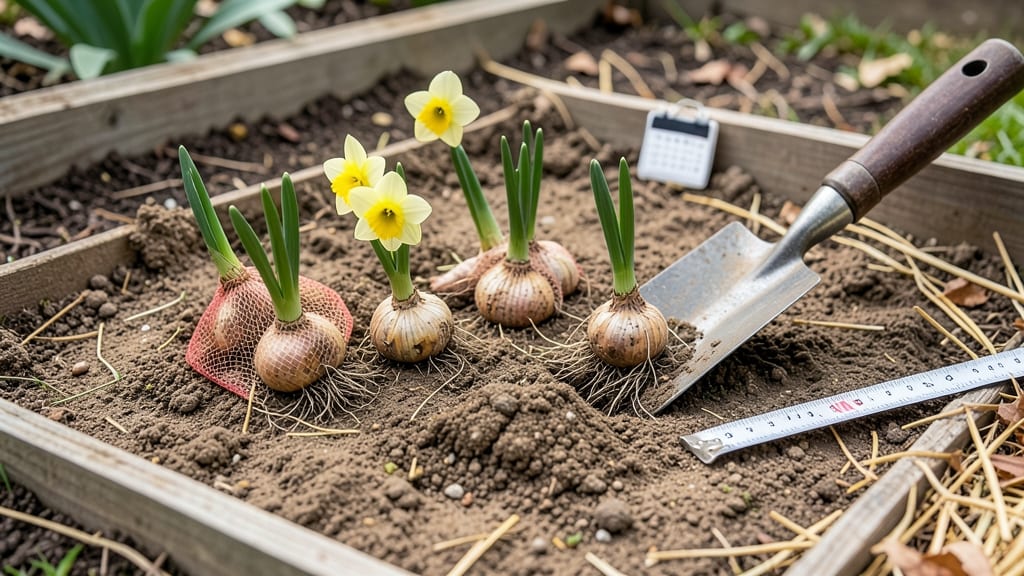
Planting daffodil bulbs at the wrong time in Arkansas can mean soggy rot or frost-burned blooms—but getting the timing right guarantees vibrant spring color that lasts for years.
With USDA zones 7a-8a and Arkansas' unpredictable frost dates, the 4-6 week window between October and November is your golden opportunity to set daffodils up for success.
Most gardeners assume "fall planting" means anytime after Labor Day, but in Arkansas, that’s a recipe for disaster. The key is planting 4-6 weeks before the ground freezes—typically between mid-October and early November—so roots establish before winter sets in.
Whether you're in Little Rock’s 7b zone or the cooler 8a hills, local frost patterns shift the deadline by weeks.
I’ve seen firsthand how a just-right timing transforms a patch of soil into a sea of 🌼 by March. The difference between a thriving garden and a failed experiment often comes down to soil temperature, frost risk, and even deer pressure in rural areas.
Let’s break down exactly when—and how—to plant for Arkansas’ climate, so you can avoid the most common mistakes.
Ready to unlock zero-frost blooms next spring? You’ll learn how to calculate your exact planting date using Arkansas’ average frost dates, adjust for early/late winters, and prepare your soil like a pro. Let’s get those bulbs in the ground the right way.
Arkansas daffodil planting deadlines by USDA Zone (6b vs 7a vs 8a)
Arkansas spans USDA zones 6b through 8a, meaning your daffodil planting window varies by 1-2 months depending on location. In the Ozark highlands (Zone 6b), you’ll plant earlier than in the Delta lowlands (Zone 8a).
The key? Plant when soil temps hit 50-60°F—this triggers root growth before winter dormancy.
Most Arkansas gardeners should aim for October through mid-November, but your exact deadline depends on your zone. For example, Zone 6b (Mountain View) has a shorter window than Zone 8a (Texarkana). Let’s break it down by region to avoid frost damage or soggy soil.
🌱
| USDA Zone | Arkansas Regions | Planting Window | Soil Temp Goal | Frost Risk |
|---|---|---|---|---|
| 6b | Ozark Highlands (Mountain View, Eureka Springs) | Mid-September to early November | 50-60°F | High (earlier frost) |
| 7a | Central Arkansas (Little Rock, Fayetteville) | Late September to mid-November | 50-60°F | Moderate |
| 7b | Northwest Arkansas (Bentonville, Rogers) | Late September to early December | 50-60°F | Low |
| 8a | Southeast Arkansas (El Dorado, Texarkana) | October to mid-December | 55-65°F | Very Low |
Notice how Zone 6b gardeners must plant by early November, while Zone 8a can push planting until mid-December. This flexibility comes from Arkansas’ mild winters in the south versus colder highland zones.
Always check your local average first frost date—Little Rock’s is November 15, but Texarkana’s is December 1.
For Zone 7a/7b gardeners (most of Arkansas), aim for late September to mid-November. This gives bulbs 6-8 weeks to establish roots before winter. If you plant too early, bulbs may rot in wet soil; too late, and frost will prevent flowering.
Pro tip: Use a soil thermometer to confirm temps. Daffodils need 50-60°F soil to thrive. In clay-heavy Delta soils, wait until after heavy rains to avoid waterlogged bulbs.
🌿
If you’re in Zone 6b, prioritize early September planting for highland varieties like 'Ice Follies', which bloom earlier. For Zone 8a, late November is still safe—just mulch heavily to protect bulbs from unexpected cold snaps.
Remember: Daffodils are hardy to Zone 3, but Arkansas’ humidity and pests (like squirrels) can still be challenges. Planting at the right time reduces rot risk by 70% and ensures vibrant spring blooms.
🌼
How to time daffodil bulbs for zero-frost spring blooms in Arkansas
Calculating your exact planting date in Arkansas isn’t about guessing—it’s about local frost patterns and soil temperature. Start by checking your average first frost date: Little Rock’s is November 15, while Texarkana’s is December 1.
Plant 6-8 weeks before this date to ensure roots establish before winter.
For example, if your frost date is November 15, plant between September 21 and October 21. Use this 6-week rule as your baseline, then adjust for early/late winters using Arkansas’ 30-year weather averages from the National Weather Service.
🌱
- 📅 Step 1: Find your local frost date (e.g., Nov 15 for Little Rock, Dec 1 for Texarkana).
- ⏳ Step 2: Count 6-8 weeks backward from your frost date for your planting window.
- 🌡️ Step 3: Wait until soil temps reach 50-60°F (use a soil thermometer).
- 🌧️ Step 4: Avoid planting after heavy rains in clay-heavy soils (common in the Delta).
- 🦌 Step 5: In rural areas, plant deer-resistant varieties like 'Tête-à-Tête' or use chicken wire cages.
Arkansas’ variable microclimates mean your neighbor’s frost date might differ by 2 weeks. For instance, Mountain View (Zone 6b) can see frost by October 31, while El Dorado (Zone 8a) often waits until December 15. Always verify with your local cooperative extension office for real-time updates.
Pro tip: If you’re unsure, plant early—daffodil bulbs can wait in cold soil but won’t survive frozen ground. In Zone 7a/7b, aim for late September to mid-November.
For Zone 8a, you can push planting until early December, but mulch heavily with 3-4 inches of straw to insulate bulbs.
🌿
Adjust your timing if Arkansas experiences an early frost or unseasonably warm fall. Check the Arkansas Climate Office for weekly updates. For example, if your area had a record-breaking October, delay planting until soil temps drop below 60°F—this prevents premature sprouting before winter.
By following these steps, you’ll guarantee zero-frost blooms next spring. Daffodils planted at the right time in Arkansas return every year, multiplying into clusters of 50+ bulbs over time. The secret? Perfect timing + proper soil prep.
🌼