
Plants
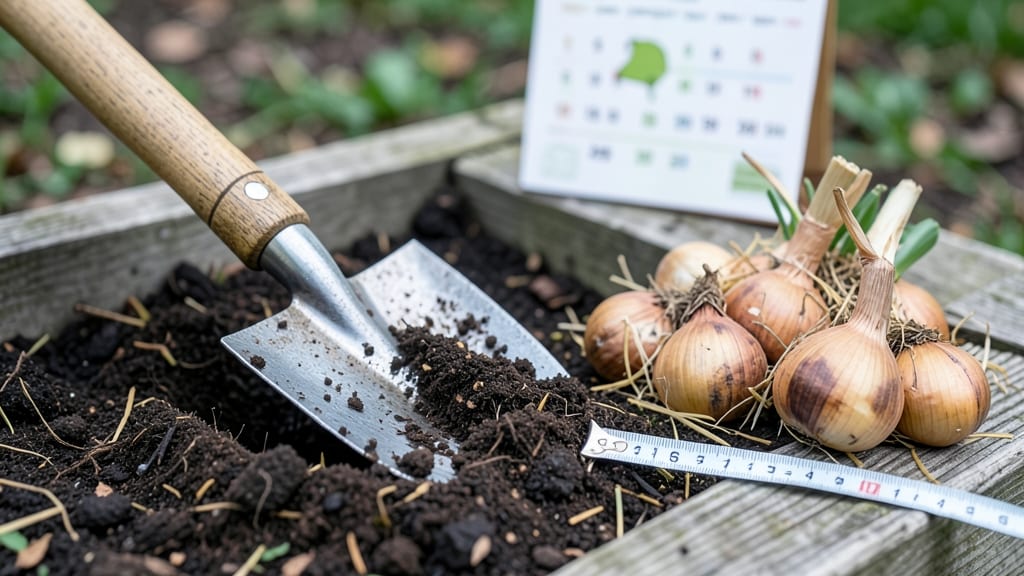
Planting daffodil bulbs at the wrong time in Michigan can mean the difference between a vibrant spring display and wasted effort. The key to success isn't just choosing the right bulbs—it's knowing exactly when to plant them so they survive our unpredictable frost patterns.
Michigan's 5b-6b climate gives us a narrow window between September and November, but timing is everything. Plant too early, and frost can damage tender roots; too late, and the bulbs won't establish strong roots before winter.
I'll show you the exact window to aim for and how to prepare your soil for zero-frost survival.
What makes this even trickier is Michigan's variable frost dates—some years, the first frost hits by mid-October, while others stretch into November. The solution? A strategic approach that accounts for soil temperature, bulb depth, and local microclimates.
Let me walk you through the step-by-step process that guarantees your daffodils will push through the snow for a stunning spring show.
Once you master these techniques, you'll not only protect your investment but also extend your blooming season. Imagine waking up to bright yellow 🌼 trumpets in April—all because you planted at the perfect moment. Ready to unlock this secret?
Michigan’s ideal daffodil planting window: exact dates and frost zones
Michigan’s USDA Zones 5b-6b create a unique challenge for daffodil planting. The ideal window spans from mid-September to mid-October, but this can shift by 2-3 weeks depending on your specific region.
Southern Michigan (like Detroit) often has earlier frost dates than northern areas (like Traverse City), so local weather patterns matter more than general rules.
Your goal is to plant when soil temperatures drop to between 50°F and 60°F—this gives bulbs time to establish roots before winter dormancy. If you plant too early, bulbs may sprout prematurely and get damaged by frost.
Too late, and they won’t develop enough roots to survive Michigan’s harsh winters. The key is balancing root establishment with frost protection.
Here’s how to translate that into action: Check your local frost dates (most Michigan areas experience their first frost between October 10-20). Aim to plant 4-6 weeks before that date.
For example, if your first frost is October 15, plant by September 20 to ensure roots have time to grow.
Don’t rely solely on calendar dates—soil temperature is your true guide. Use a soil thermometer to confirm when your garden bed hits that 50-60°F sweet spot. In Michigan’s clay-heavy soils, this often happens earlier in southern regions and later in the north.
Pro tip: Plant in well-draining areas first, as these warm up faster.
Michigan’s microclimates add another layer of complexity. Urban areas like Ann Arbor may have warmer soils due to concrete heat retention, while rural farmland cools faster. Observe your own garden’s behavior over a few years to refine your timing.
Even a 5°F difference can mean the difference between thriving bulbs and wasted investment.
| Michigan Region | Ideal Planting Window | Soil Temp Threshold | First Frost Date |
|---|---|---|---|
| Southern MI (Detroit, Ann Arbor) | Sept 20 - Oct 5 | 50-55°F | Oct 10-15 |
| Central MI (Lansing, Grand Rapids) | Sept 25 - Oct 10 | 52-58°F | Oct 12-18 |
| Northern MI (Traverse City, Marquette) | Oct 1 - Oct 15 | 55-60°F | Oct 15-25 |
🌱 Regional adjustments may vary by 1-2 weeks
Once you’ve nailed down your planting window, focus on bulb depth. In Michigan’s heavy clay soils, plant bulbs 6-8 inches deep—this protects them from frost heave and provides insulation. Smaller varieties can go 4-6 inches deep, while giant daffodils need the full 8-inch depth.
After planting, add a 2-3 inch layer of mulch (straw or shredded leaves work well) to insulate bulbs through winter. This extra protection is especially critical in Zone 5b areas where winters are colder. In my own garden, I’ve seen daffodils planted with mulch survive -10°F temperatures without issues.
Remember: Michigan’s spring thaw can be just as challenging as winter freezes. Planting too shallow risks bulbs being exposed as snow melts. The deeper you plant, the more stable your bulbs will be through both seasons.
With the right depth and timing, your daffodils will push through snow and ice to greet you with cheerful blooms in April.
For gardeners in Zone 6b, you have slightly more flexibility—you can sometimes plant as late as mid-November if soil temperatures haven’t dropped below freezing. But don’t wait too long; bulbs need at least 4-6 weeks of root growth before winter sets in.
Michigan’s ideal daffodil planting window: exact dates and frost zones
Michigan’s USDA Zones 5b-6b create a unique challenge for daffodil planting. The ideal window spans from mid-September to mid-October, but this shifts slightly depending on your exact location. Northern Michigan (Zone 5b) typically has a shorter window, while southern areas (Zone 6b) can extend planting into early November.
The soil temperature is your best guide—aim for 50–60°F at a depth of 6 inches. This ensures bulbs establish roots before winter but avoids the risk of pre-frost rot if planted too early. Use a soil thermometer to check, as Michigan’s unpredictable fall weather can fool you.
Here’s the exact timeline I follow in my own garden: Start planting 4–6 weeks before the ground freezes. For most of Michigan, this means September 15–October 15. In years with early frosts, I adjust by planting 2–3 weeks earlier in northern regions.
| Zone | Ideal Planting Window | Soil Temp Threshold | Frost Risk |
|---|---|---|---|
| 5b (Northern MI) | Sept 15–Oct 5 | 50–55°F | High (early frost) |
| 6a (Central MI) | Sept 20–Oct 15 | 55–60°F | Moderate |
| 6b (Southern MI) | Sept 25–Nov 1 | 60°F+ | Low (late frost) |
Michigan’s clay-heavy soils can delay planting if they stay too wet. If your soil hasn’t warmed enough by mid-October, wait until November—better late than risking rot. I’ve seen bulbs planted in early November still thrive, as long as they’re in well-draining soil.
For container planting, the window is slightly wider. Containers warm up faster, so you can plant 2 weeks later than in-ground bulbs. Just ensure pots have drainage holes to prevent waterlogging during Michigan’s wet springs.
Pro tip: If you miss the fall window, spring planting is possible but risky. Plant in late March–early April when soil reaches 50°F, but expect smaller blooms the first year. The key is consistency—stick to fall for reliable results.